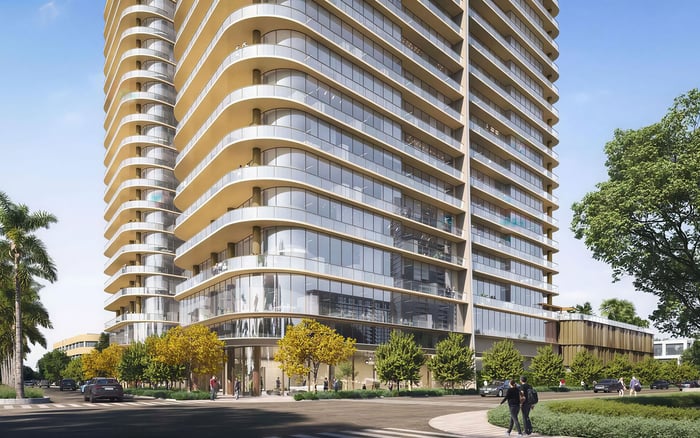
A privacy-first framework for comparing five new-construction residence types in and around Miami’s Design District, with emphasis on access, density, guest circulation, rental rules, and physical separation.
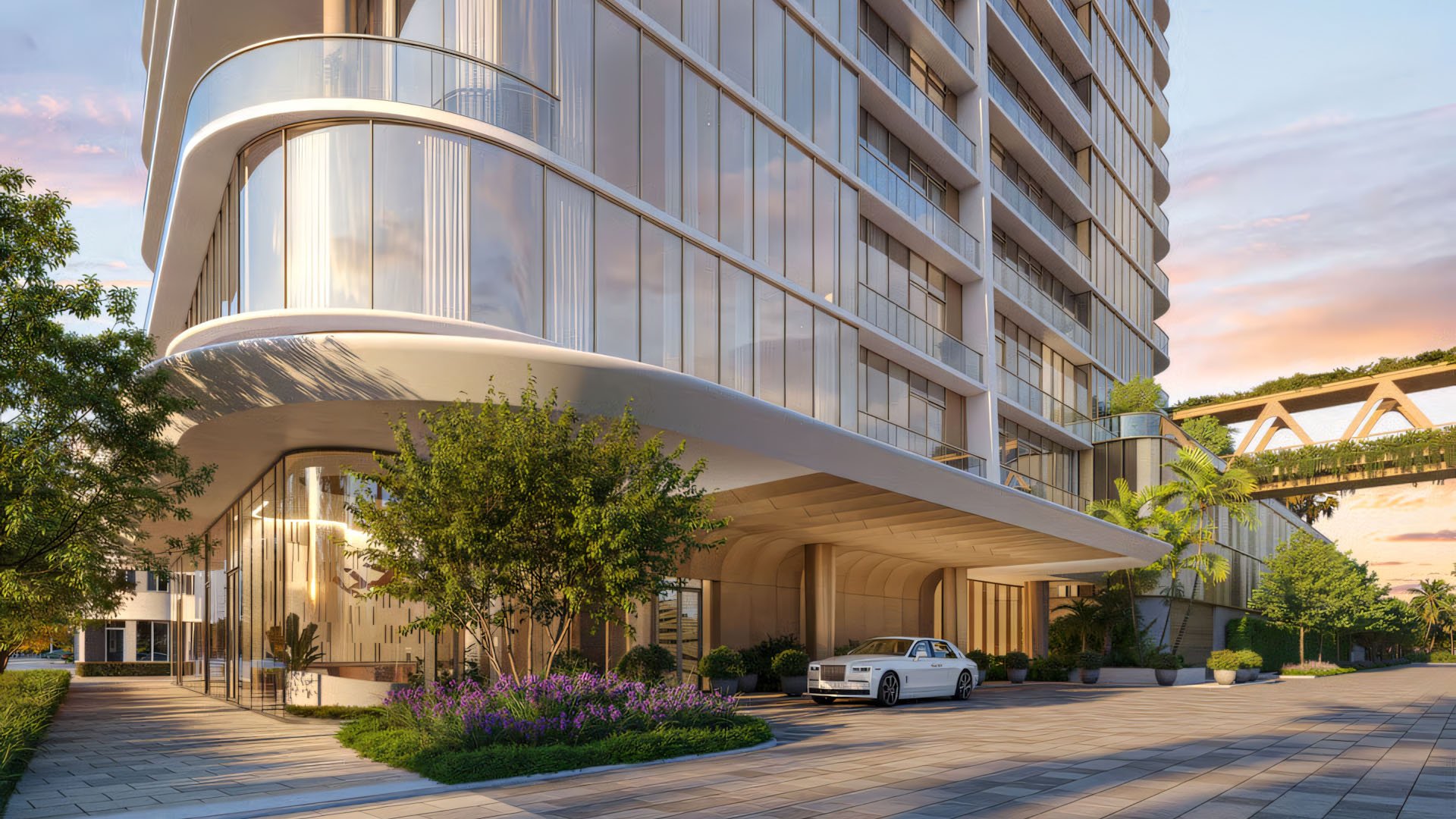
For privacy-minded buyers in Miami’s Design District, operational details can matter more than the length of an amenity list. The central questions concern arrival, shared circulation, neighboring residences, visitor access, service routes, rental policies, and the transition from parking to the home.
A useful comparison should distinguish marketing language from provisions documented in current plans, disclosures, and governing materials. Kempinski Residences Miami Design District is one project buyers may evaluate through that privacy-first lens.
Start with the complete arrival sequence. Review vehicle entry, parking access, lobby or gate controls, elevator operation, corridor exposure, and the route used by guests and service providers. A feature described as private should be confirmed in the applicable plans and documents.
Next, study density and layout. Residences per floor, shared walls, sightlines, terraces, window placement, and proximity to neighboring properties can all affect seclusion. Buyers should assess these elements for the specific residence rather than relying on a development-wide description.
Governance also matters. Rental provisions, guest procedures, access credentials, staffing protocols, and rules governing shared areas can shape daily privacy. These terms should be reviewed with the appropriate professional before a commitment is made.
1. Kempinski Residences Miami Design District
Begin by confirming the elevator arrangement, floor configuration, shared circulation, visitor procedures, and service access for the residence under consideration. Current offering materials should control the analysis.
2. Residences at The Design District
Evaluate the project through its current plans and governing documents. Focus on residences per floor, shared-wall conditions, parking-to-residence circulation, elevator access, and the treatment of visitors and deliveries.
3. Miami Design Residences by Fouquet’s
Review the property’s intended residential use, rental provisions, guest policies, and access controls. Any privacy-related representation should be verified against current project documentation.
4. A new-construction detached residence near the Design District
For a house-style option, inspect gate and garage access, fencing, windows, outdoor exposure, setbacks, and relationships with neighboring properties. Physical separation does not eliminate the need for a site-specific privacy review.
5. A new-construction private-pool home near the Design District
Assess pool visibility, landscaping, perimeter treatment, exterior lighting, window placement, vehicle access, and nearby construction. Buyers should verify each condition at the individual property level.
Tower privacy depends heavily on managed entry, elevators, corridors, staff procedures, service circulation, and building rules. Detached-home privacy shifts attention toward the property line, gates, garages, glazing, landscaping, outdoor areas, and neighboring sites. A townhouse may combine elements of both formats.
For broader design-led comparisons within Miami-Dade County, buyers may also review Miami Tropic Residences, Villa Miami, and Four Seasons Residences Coconut Grove. These are comparison points rather than substitutes for a residence-specific review in the Design District.
Before committing, confirm current plans, disclosures, access arrangements, rental provisions, guest procedures, pricing, and availability. Privacy is strongest when the relevant architectural and operational details are documented rather than assumed.
What should privacy-first buyers review first? Start with the complete route from vehicle arrival to the residence, including every gate, lobby, elevator, and shared corridor.
Why does floor density matter? Floor density can affect corridor activity and the number of nearby residences, but the specific layout must also be reviewed.
Does a private elevator guarantee privacy? No. Buyers should confirm how the elevator, vestibule, service access, and emergency circulation function together.
How can rental rules affect privacy? Rental provisions may influence occupancy patterns and turnover, so current governing documents should be examined carefully.
Are guest procedures important? Yes. Registration, access credentials, parking, elevator permissions, and delivery routes can shape the visitor experience.
Is a detached home always more private than a condominium? Not necessarily. A detached home still requires review of boundaries, sightlines, windows, outdoor areas, and neighboring properties.
What should buyers inspect around a private pool? Examine visibility, perimeter treatment, landscaping, lighting, nearby windows, and adjacent development conditions.
How should buyers compare amenities with privacy? Treat amenities as secondary to access, circulation, separation, governance, and the details of the selected residence.
Can project materials change before completion? Plans, policies, availability, and other details may change, making current documentation essential.
What should be verified before signing? Confirm plans, disclosures, access systems, guest and rental provisions, pricing, availability, and residence-specific conditions.
For a confidential assessment and a building-by-building shortlist, connect with MILLION.
If branded residences are on your mind — as a home or as an allocation — we would be glad to share what we are seeing, privately.
Begin a quiet conversation