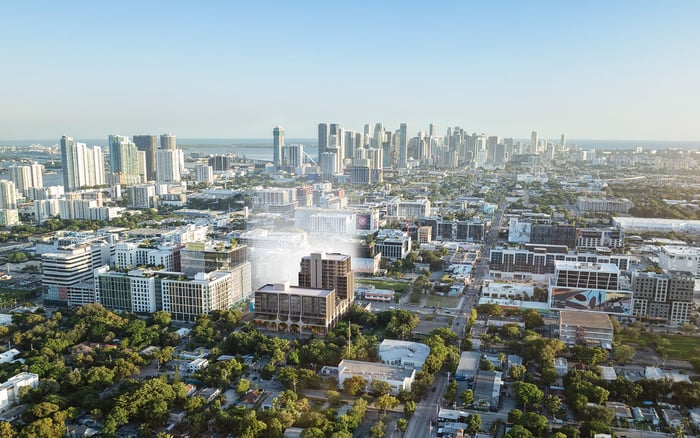
At Kempinski Residences Miami Design District, buyers should treat terraces and exterior-envelope components as part of the long-term ownership analysis. Key diligence includes waterproofing, drainage, corrosion resistance, warranties, maintenance responsibilities, and reserve assumptions.
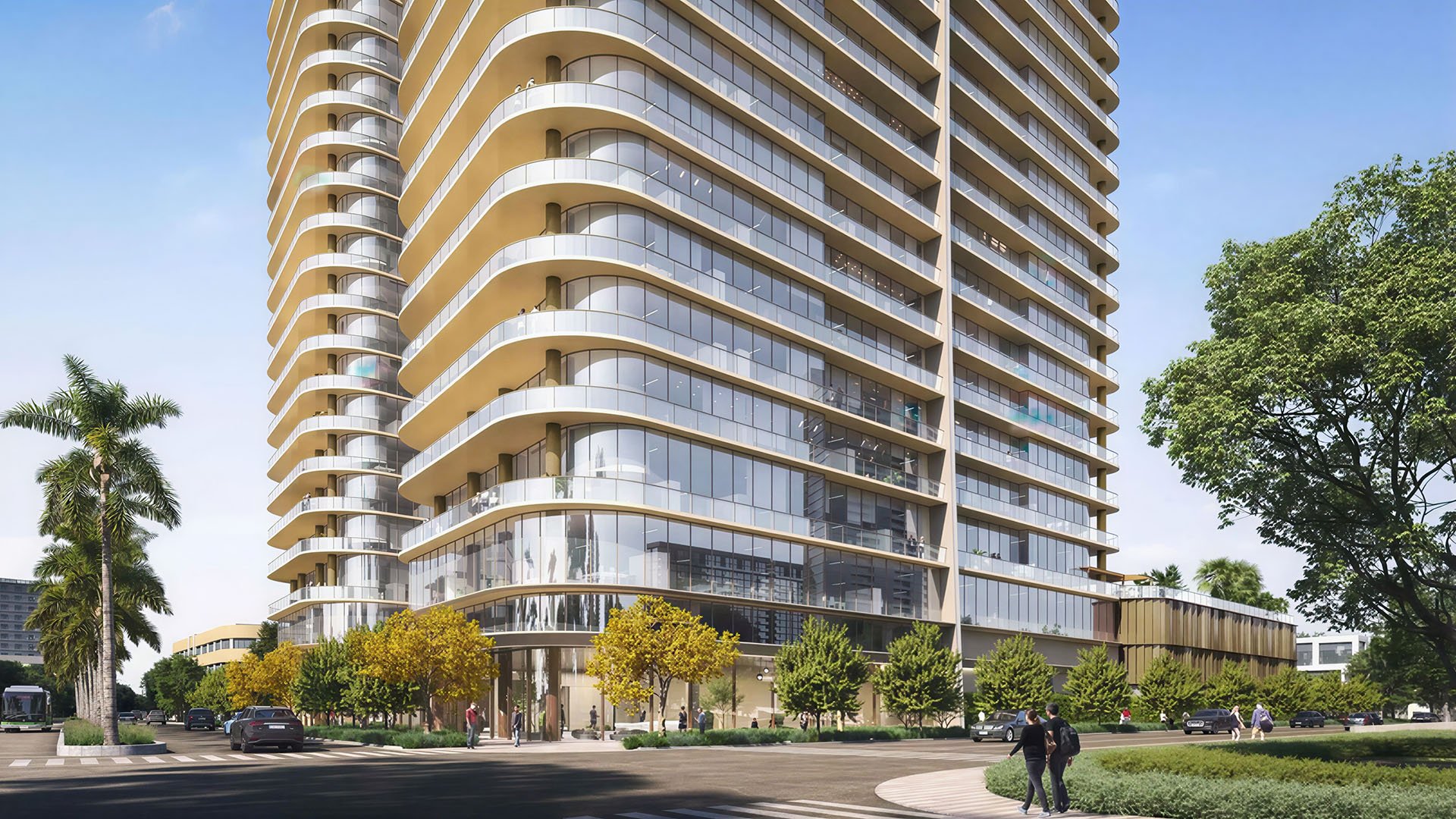
At Kempinski Residences Miami Design District, the exterior envelope belongs in the ownership analysis. Balcony slabs, railings, door thresholds, drains, sealant joints, coatings, glazing interfaces, and waterproofing membranes should perform as a coordinated system in South Florida's coastal environment.
For a buyer considering a Pre-Construction commitment, a terrace should be evaluated as more than lifestyle space. Its materials, installation details, inspection requirements, maintenance schedule, warranties, and eventual renewal costs can affect the long-term ownership proposition.
A balcony is both an amenity and a long-duration building system.
The same review framework can help buyers compare South Florida residences, including Aria Reserve Miami, without assuming that different projects use identical systems or assign responsibilities in the same way.
A finish schedule should not substitute for a complete waterproofing review. Buyers should request details identifying the structural slab, slope, membrane or coating system, protection layer, finished surface, perimeter conditions, thresholds, penetrations, drains, overflows, and terminations. The objective is to understand how the specified assembly manages water at vulnerable transitions and discharge points.
Critical interfaces deserve separate attention. Ask how waterproofing is treated around railing anchors, glazing tracks, exterior doors, planters, mechanical penetrations, and façade joints. Confirm whether railing installation penetrates the waterproofed plane, how each penetration is sealed, and whether drains remain accessible after finishes are installed.
The purchase file should identify the applicable drawings, product information, testing requirements, inspection provisions, warranties, and defect-correction procedures. If substitutions may occur during construction, determine who can approve them and what documentation must establish comparable performance.
The title's long-term cost question requires component-level diligence rather than a broad claim that exterior materials are corrosion resistant. Request specifications for railing systems, anchors, fasteners, glazing frames, protective coatings, concrete protection, and dissimilar-metal isolation.
For each exposed component, ask which material, grade, finish, coating, installation method, exposure assumption, maintenance requirement, and warranty apply. The review should also identify how chipped coatings, open joints, failed sealants, or other defects are reported and corrected.
Buyers considering Villa Miami or Miami Tropic Residences can apply the same document-based discipline. Each project should still be assessed through its own governing sales materials, technical specifications, and condominium documents.
The declaration and maintenance provisions should identify responsibility for balcony slabs, membranes, finishes, drains, railings, glazing, exterior doors, façade elements, and sealants. Buyers should not infer responsibility solely from who can access or use a component.
Allocation matters to the cost model. Confirm who may inspect the terrace, who selects contractors, who authorizes repairs, and how costs are assigned. Ask whether an owner may replace tile or coatings, what approvals are required, and who restores finishes after work on an underlying assembly.
Warranty terms need the same precision. Determine whether each warranty is held by the owner or association, what maintenance is required to preserve coverage, which actions could limit a claim, and how defects must be documented. The file should also explain the process for notice, access, correction, reinspection, and closeout.
Review the proposed operating budget and reserve assumptions for façade access, waterproofing inspections, joint and sealant work, protective-coating upkeep, drainage evaluations, localized repairs, and broader renewal. Do not rely on a single general contingency when the documents allow costs to be organized by category.
A practical model can separate routine service, planned capital work, and unplanned remediation. Routine items may include cleaning, drain care, visual reviews, and recordkeeping. Planned work may include sealant or coating renewal and scheduled testing. Unplanned work may include localized waterproofing, concrete, or corrosion-related repairs identified during inspection.
Ask for the proposed inspection frequency, responsible party, documentation standard, and escalation triggers. Post-storm procedures should also be verified, including who inspects drains, joints, coatings, railings, glazing interfaces, and other exposed components after severe weather.
The objective is not to predict an exact service life without supporting documents. It is to ensure that the ownership model recognizes recurring care, periodic renewal, access requirements, professional reviews, and the possibility of corrective work.
For a new development, pre-purchase diligence is primarily documentary. Buyers should nevertheless understand how future conditions will be evaluated. Ask what observations would trigger a specialist review and which testing methods may be used before repair recommendations are made.
The handover process should be equally clear. Request the turnover and commissioning records applicable to terraces and façades. Confirm how defects will be logged, corrected, reinspected, and preserved for warranty purposes. Ask whether the association will receive baseline photographs, as-built drawings, approved substitutions, inspection records, cleaning instructions, and manufacturer maintenance requirements.
Incomplete specifications, unclear responsibility provisions, broad exclusions, inaccessible drains, undocumented substitutions, or missing maintenance instructions warrant follow-up. The appropriate response is a written question tied to the relevant drawing, specification, warranty, budget, or governing provision.
A disciplined file should include structural drawings, balcony waterproofing details, drainage plans, façade specifications, sealant schedules, corrosion-resistance requirements, warranties, maintenance manuals, responsibility provisions, proposed budgets, and reserve assumptions.
The file should also confirm all project-specific matters directly through current governing sales and condominium documents. Marketing descriptions can frame the opportunity, but the buyer's technical and financial conclusions should rest on the documents that define the delivered components, maintenance duties, remedies, and cost allocation.
The central diligence question is straightforward: does the documented envelope strategy align with the buyer's expectations for maintenance, control, and long-term cost? A careful review of waterproofing, drainage, corrosion protection, warranties, and reserves can make that assessment more precise.
For discreet advice on South Florida luxury property, connect with MILLION.
If branded residences are on your mind — as a home or as an allocation — we would be glad to share what we are seeing, privately.
Begin a quiet conversationA balcony is an exterior building assembly with drainage, sealing, inspection, maintenance, and renewal requirements. Its documentation can help a buyer understand future responsibilities and costs.
Request structural drawings, waterproofing details, drainage plans, product specifications, inspection provisions, warranties, and maintenance instructions.
Review the specified materials, finishes, coatings, fasteners, anchors, concrete protection, and maintenance requirements for exposed components.
Review material grades, finishes, coating requirements, installation methods, fasteners, anchors, concrete protection, and dissimilar-metal isolation.
Responsibility depends on the condominium declaration and maintenance provisions. Buyers should verify the allocation for slabs, membranes, finishes, drains, railings, glazing, doors, and sealants.
Consider inspections, cleaning, drain care, sealant and coating work, waterproofing repairs, façade access, and other documented renewal categories.
Confirm the recommended cleaning methods, inspection frequency, responsible party, documentation standard, and maintenance requirements tied to warranties.
A defined procedure clarifies who inspects exposed components, records observations, clears drainage paths, and initiates any required follow-up.
Conditions such as ponding, open joints, coating damage, cracking, staining, or prior repairs should be documented and evaluated by an appropriate professional.
Buyers should confirm current project terms, specifications, responsibilities, and expectations in the applicable sales and condominium documents.