A discreet Miami Beach buyer’s guide to five residence profiles that prioritize daily walkability, beach access, privacy, and a calmer address away from nightlife intensity.
For a certain Miami Beach buyer, the ideal residence is not defined by proximity to the loudest table, the busiest hotel lobby, or the longest valet queue. It is defined by a more disciplined form of convenience: the ability to walk to the beach, dinner, a fitness studio, a cafe, or a morning errand, then return to a home that still feels composed.
That balance is delicate. Miami Beach is unusually compact, and a few blocks can change the character of daily life. A residence can be close enough to enjoy the city’s energy while remaining removed from the late-night pull of entertainment corridors. For end users, second-home owners, and families who use Miami Beach as a seasonal base, the question is not whether the neighborhood is active. It is whether that activity supports a refined lifestyle rather than intruding on it.
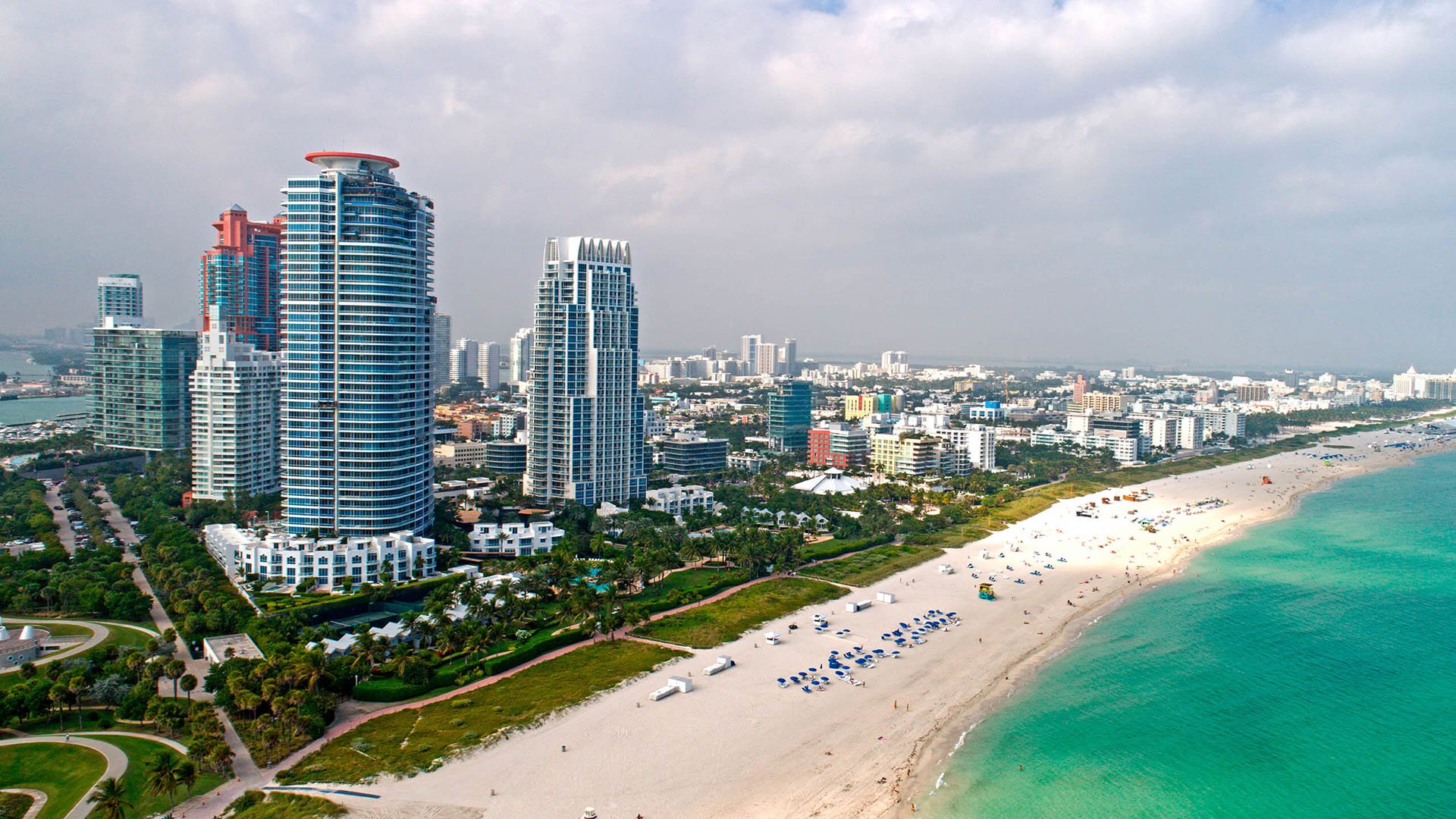
In private-client searches, this is often a Miami Beach conversation, with specific attention to South of Fifth, Sofi, beach access, boutique scale, and oceanfront exposure. Those terms are more than labels. They frame how a property lives from morning to night.
1. South of Fifth waterfront residence - calm edge of the island
A South of Fifth waterfront residence is the classic answer for buyers who want Miami Beach access without surrendering to the city’s louder rhythm. The appeal is intuitive: a more residential setting, walkable dining, immediate outdoor lifestyle, and a sense of arrival that feels distinct from the busiest stretches of South Beach.
The key is to study the building’s specific position, lobby approach, and neighboring uses. A refined waterfront home should make walking feel effortless while preserving a quiet return at the end of the evening.
2. Low-density boutique building - fewer arrivals, softer cadence
A boutique Miami Beach residence can be especially attractive for buyers who value discretion. Fewer homes often mean fewer elevator stops, less amenity traffic, and a more personal daily rhythm. For noise-sensitive buyers, that smaller scale can matter as much as finishes or views.
The tradeoff is that boutique living requires a closer look at services. The best fit is not simply the smallest building, but the one where staffing, security, parking flow, and maintenance standards align with a luxury lifestyle.
3. Oceanfront residence set back from entertainment corridors - beach first, nightlife second
Oceanfront living remains one of Miami Beach’s enduring privileges, but not every oceanfront address feels equally serene. Buyers seeking quiet walkability should focus on residences where the beach is the primary amenity and nightlife is nearby by choice, not by default.
The practical review should include outdoor terrace exposure, pool-deck orientation, public access points, service entrances, and the character of adjacent buildings. The right oceanfront residence lets the day begin with sand and water, not traffic and noise.
4. Residential mid-beach address - walkable routine with less spectacle
A residential mid-beach setting can appeal to buyers who want a calmer day-to-day base while remaining connected to Miami Beach. The experience is often less about scene and more about routine: morning walks, wellness, beach access, and quiet evenings at home.
This profile is especially compelling for owners who spend longer stretches in residence. Walkability is still important, but it is measured through comfort, shade, crossings, and the ease of ordinary life rather than proximity to late-night venues.
5. Park-adjacent or water-adjacent residence - daily outdoor luxury
For buyers who want walkability without sensory overload, a park-adjacent or water-adjacent residence can create a strong sense of pause. The luxury is not only the view. It is the ability to step outside into open air, move comfortably, and return without passing through the island’s most congested pockets.
These homes work best when the surrounding streets feel residential and the building’s own amenity program does not recreate the noise the buyer is trying to avoid. A calm lobby, controlled access, and well-separated social spaces are essential.
Walkability is often reduced to distance, but luxury buyers should evaluate it by friction. A five-minute walk can feel elegant or exhausting depending on crossings, shade, crowding, lighting, and the quality of the streetscape. The best Miami Beach residences make daily movement feel natural, not performative.
For a full-time owner, walkability may mean groceries, wellness, beach, dining, and a reliable route for guests. For a seasonal owner, it may mean stepping out for breakfast, taking a beach walk, and hosting dinner without depending on a car for every minor errand. For families, it may mean safer pedestrian patterns and a quieter arrival experience.
The most successful searches begin with a weekly-life map rather than a nightlife map. Where will mornings happen? Where will guests walk? How often will the owner drive? What parts of the island are desirable to visit but not necessarily to live above? These questions separate glamour from livability.
Noise in Miami Beach is not one-dimensional. It can come from nightlife, hotel activity, service vehicles, pool decks, valet operations, neighboring terraces, public beach access, construction, traffic patterns, or the building’s own amenity programming. A beautiful residence can still be the wrong choice if its quiet hours do not match the owner’s expectations.
Serious buyers should visit at multiple times of day. Morning reveals service movement and school or commuter patterns. Late afternoon reveals beach-return activity. Evening shows restaurant and valet behavior. Weekend visits are particularly important because the island’s tempo changes when visitors arrive.
Inside the building, pay attention to vertical adjacency. A residence below an amenity deck, above a service zone, or beside a mechanical area can live differently than a floor plan suggests. Corner exposures, balcony placement, and glazing quality also shape the experience. The quietest luxury is often found in the details that brochures do not emphasize.
The buyer seeking walkability without nightlife noise is usually not rejecting Miami Beach energy. They are curating it. They want the option to engage, then retreat. That buyer may entertain privately, travel frequently, or use the residence as a health-forward coastal base. The common thread is control.
This is why building culture matters. Some residences are socially animated, with active amenity decks and a hospitality-like pace. Others are more residential, with quieter common areas and a stronger sense of privacy. Neither is inherently superior, but the fit must be precise.
For many high-net-worth buyers, the most valuable address is not the most visible one. It is the one that performs elegantly on an ordinary Tuesday: a clean arrival, a short walk, a peaceful terrace, and a home that does not require explanation.
Before committing, buyers should review the building’s rules, rental policies, pet policies, parking arrangements, guest procedures, and amenity hours. These operational details influence daily quiet as much as architecture does. A residence with strong bones can be undermined by constant transient use or poorly controlled common areas.
Floor height deserves careful thought. Higher floors may reduce certain street-level sounds but can carry wind and distant event noise differently. Lower floors may offer a more connected residential feeling but require closer attention to traffic, pool, and pedestrian activity. The right answer depends on the buyer’s sensitivity, view priorities, and daily habits.
Finally, consider resale language. Quiet walkability is a durable value proposition because it speaks to both lifestyle and scarcity. Miami Beach will always reward convenience, but the rarest convenience is the one that does not come with unwanted noise.
What is the best Miami Beach area for quiet walkability? South of Fifth is often favored by buyers who want a residential feel with walkable access to dining, beach, and outdoor life.
Can an oceanfront residence still be quiet? Yes, but buyers should review beach access points, amenity placement, terrace orientation, and nearby hospitality activity.
Are boutique buildings usually quieter? They can be, especially when fewer residences reduce elevator traffic and amenity volume, but operations and rules matter.
Should I avoid nightlife areas completely? Not necessarily. Many buyers prefer to be near nightlife by choice while living on a calmer residential edge.
How many visits should I make before buying? Visit during weekday mornings, evenings, and weekends to understand how the address changes throughout the week.
Does a higher floor always mean less noise? No. Higher floors may reduce street sound but can still receive wind, event, or distant traffic noise.
What building rules affect quiet the most? Rental policies, amenity hours, guest access, pet rules, and valet procedures can all shape the daily sound profile.
Is walkability more important for full-time owners or second-home owners? It matters for both, but full-time owners may weigh errands and routine more heavily than seasonal owners.
What should families prioritize in a walkable Miami Beach residence? Families should look closely at pedestrian comfort, crossings, lobby security, parking flow, and quieter common areas.
What is the core luxury in this type of search? The core luxury is optionality: access to Miami Beach energy with the ability to retreat into privacy and calm.
If you'd like a private walkthrough and a curated shortlist, connect with MILLION.
If branded residences are on your mind — as a home or as an allocation — we would be glad to share what we are seeing, privately.
Begin a quiet conversation