A discerning shortlist of five Miami Beach residences, framed around the decisions that matter when a buyer’s budget begins above $3 million.
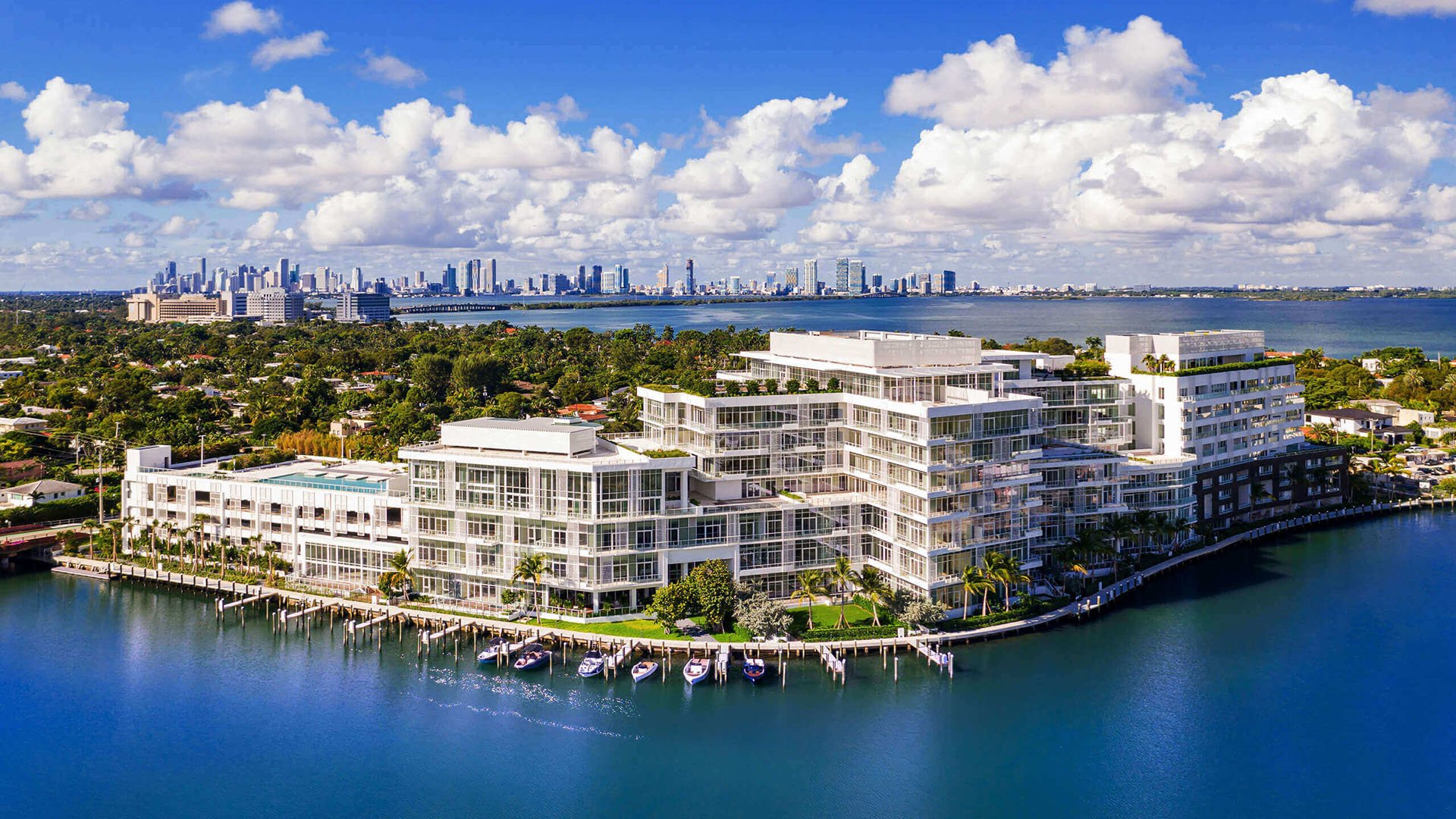
Above $3 million, choosing a new residence in Miami Beach is less about securing a fashionable address than defining the right expression of ownership. Privacy, architectural character, residence planning, service expectations and contract structure can matter as much as the view. The strongest decisions begin with a clear hierarchy of personal priorities.
This buyer’s guide considers five names for those exploring Miami Beach through a new-construction or pre-construction lens. It is not a substitute for current inventory, pricing, legal review or technical diligence. Instead, it offers a refined starting point for comparing properties that may appeal to an oceanfront purchaser, primary resident or second-home buyer.
1. The Perigon Miami Beach - privacy-first comparison
The Perigon belongs on the opening page of a focused Miami Beach search. Buyers should compare available residences by exposure, internal circulation, outdoor space, privacy between rooms and the relationship between entertaining and family areas.
At this level, request the complete purchase package before assigning value to a particular residence. Deposits, estimated completion, finish specifications, transfer provisions, operating expectations and any stated developer rights should be reviewed together, not as isolated details.
2. Shore Club Private Collections Miami Beach - lifestyle-led comparison
Shore Club Private Collections presents a distinct option for buyers who place atmosphere and the broader ownership experience near the top of the brief. The essential exercise is separating brand appeal from the practical qualities of the individual home.
Examine arrival, elevator access, service protocols, residence layout and terrace usability. Buyers should also understand which spaces and services are residential, which may be shared, and how those arrangements are defined in the governing and purchase documents.
3. The Ritz-Carlton Residences® South Beach - branded-residence comparison
For purchasers drawn to branded living, this South Beach property provides an important point of comparison. The brand may shape expectations, but the residence itself must still succeed in proportion, storage, light, acoustics and day-to-day privacy. Buyers may also compare it with The Ritz-Carlton Residences Miami Beach while examining how each option fits their priorities.
Review the ownership framework closely. Management relationships, service scope, fees, use rules and the treatment of future changes deserve the same scrutiny as the interiors. The most suitable residence will align the buyer’s service expectations with a comfortable long-term cost structure.
4. Five Park Miami Beach - connected-lifestyle comparison
Five Park merits consideration from buyers who want contemporary living interpreted through a broader Miami Beach lifestyle. The evaluation should begin with how the home functions on ordinary days, not only during holidays or large gatherings.
Compare bedroom separation, kitchen configuration, back-of-house practicality, terrace depth and the route from parking or arrival to the residence. A visually compelling plan can still be compromised by insufficient storage, awkward furniture placement or circulation that does not suit the household.
5. 57 Ocean Miami Beach - intimate coastal comparison
57 Ocean completes the shortlist for buyers seeking another coastal reference point. Its value within the search is comparative, encouraging a close reading of scale, orientation, privacy and the balance between interior and exterior living.
Request current information for the exact residence under consideration. Confirm what is included, what may change, which representations are contractual and which ownership obligations continue after closing. The building name opens the conversation; residence-level diligence should determine the decision.
Study the available options without assuming that similar budgets produce similar lifestyles. Compare the plans, the separation between private and social rooms, and how each residence handles arrival and outdoor living.
Branded ownership warrants its own analysis. A recognized name may begin the conversation, yet buyers should focus on the written service framework and the precise home being offered. Other buildings can serve as reference points for testing layout preferences, lifestyle fit and the importance assigned to setting.
Normalize the comparison. Request equivalent materials, then place floor plans, finish schedules, deposit terms, estimated carrying costs and use restrictions side by side. This discipline prevents polished presentation from obscuring meaningful differences.
Begin with five non-negotiables. These might include a minimum bedroom count, genuinely usable outdoor space, privacy from neighboring residences, a defined service level and a preferred ownership timeline. Rank them before touring so emotion does not quietly rewrite the brief.
Next, price the entire acquisition rather than only the headline residence. Legal fees, potential customization, furnishings, insurance, taxes, association obligations and the cost of holding capital may affect the comparison. Because these amounts depend on the buyer and transaction, qualified advisers should calculate them using current documents.
Finally, consider exit flexibility without treating the home as a purely financial instrument. Rules governing leasing, transfers, pets, guests and alterations can influence future utility. A residence that fits elegantly today should also preserve reasonable options as family circumstances change.
Have counsel review the contract, disclosure materials, condominium documents and amendments. A construction professional can assess plans and specifications, while tax and insurance advisers can address the buyer’s individual exposure. No marketing presentation should replace those reviews.
For any selected home, confirm dimensions, views, fixtures, appliances, parking arrangements, storage rights, completion procedures and defect protocols in writing. If a feature is central to the purchase, establish its status in the controlling documents rather than inferring it from conversation or imagery.
What does a budget above $3 million change in a Miami Beach search? It allows a buyer to prioritize residence quality and the ownership experience, but it does not eliminate the need for disciplined comparison.
Should buyers begin with the building or the floor plan? Begin with lifestyle requirements, then test both the building framework and the exact floor plan against them.
Are branded residences automatically the better choice? No. Brand identity can shape service expectations, but layout, privacy, costs and written ownership terms remain decisive.
Why compare several projects at the same time? A parallel review makes differences in plans, specifications, deposits, services and restrictions easier to identify.
What documents should be reviewed before signing? Qualified counsel should examine the contract, disclosures, condominium documents, amendments and relevant exhibits.
How important is terrace usability? It can be central to Miami Beach living, so consider depth, access, privacy and compatibility with the household’s routine.
Should carrying costs influence the selection? Yes. Estimated fees are one part of the broader ownership budget and should be evaluated alongside taxes, insurance and upkeep.
Can a buyer rely on renderings and model residences? They are useful presentation tools, but the controlling documents and specifications for the exact residence deserve priority.
What should a second-home buyer examine closely? Focus on access, security, service coverage, guest policies, maintenance needs and any rules affecting periods of absence.
When should advisers become involved? Engage legal, tax, insurance and technical advisers before the purchase becomes emotionally or contractually difficult to reconsider.
For a confidential assessment and a building-by-building shortlist, connect with MILLION.
If branded residences are on your mind — as a home or as an allocation — we would be glad to share what we are seeing, privately.
Begin a quiet conversation