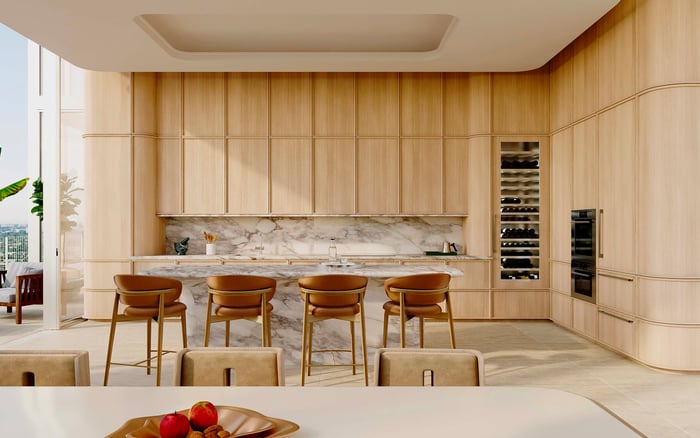
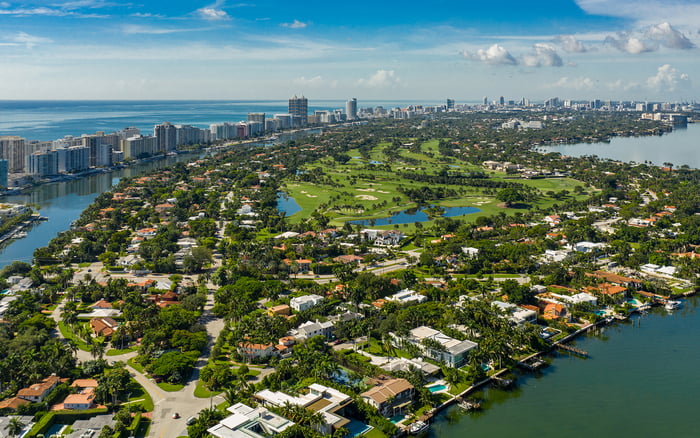
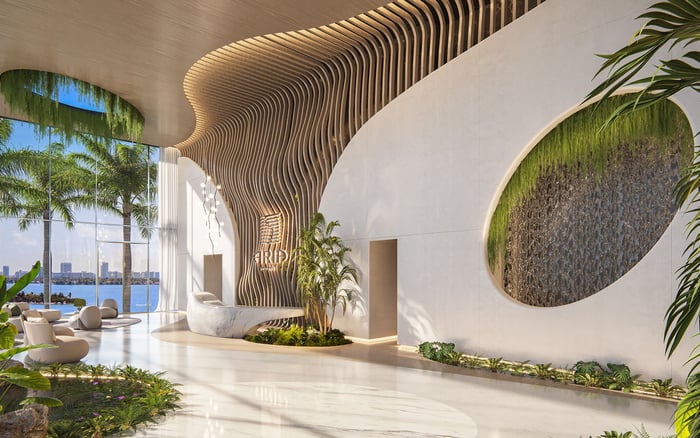
Five residences merit closer examination for buyers prioritizing indoor environmental quality and service. This due-diligence shortlist distinguishes marketed systems from verified performance, with two Edgewater alternatives and a practical framework for reviewing specifications, materials, and maintenance obligations.
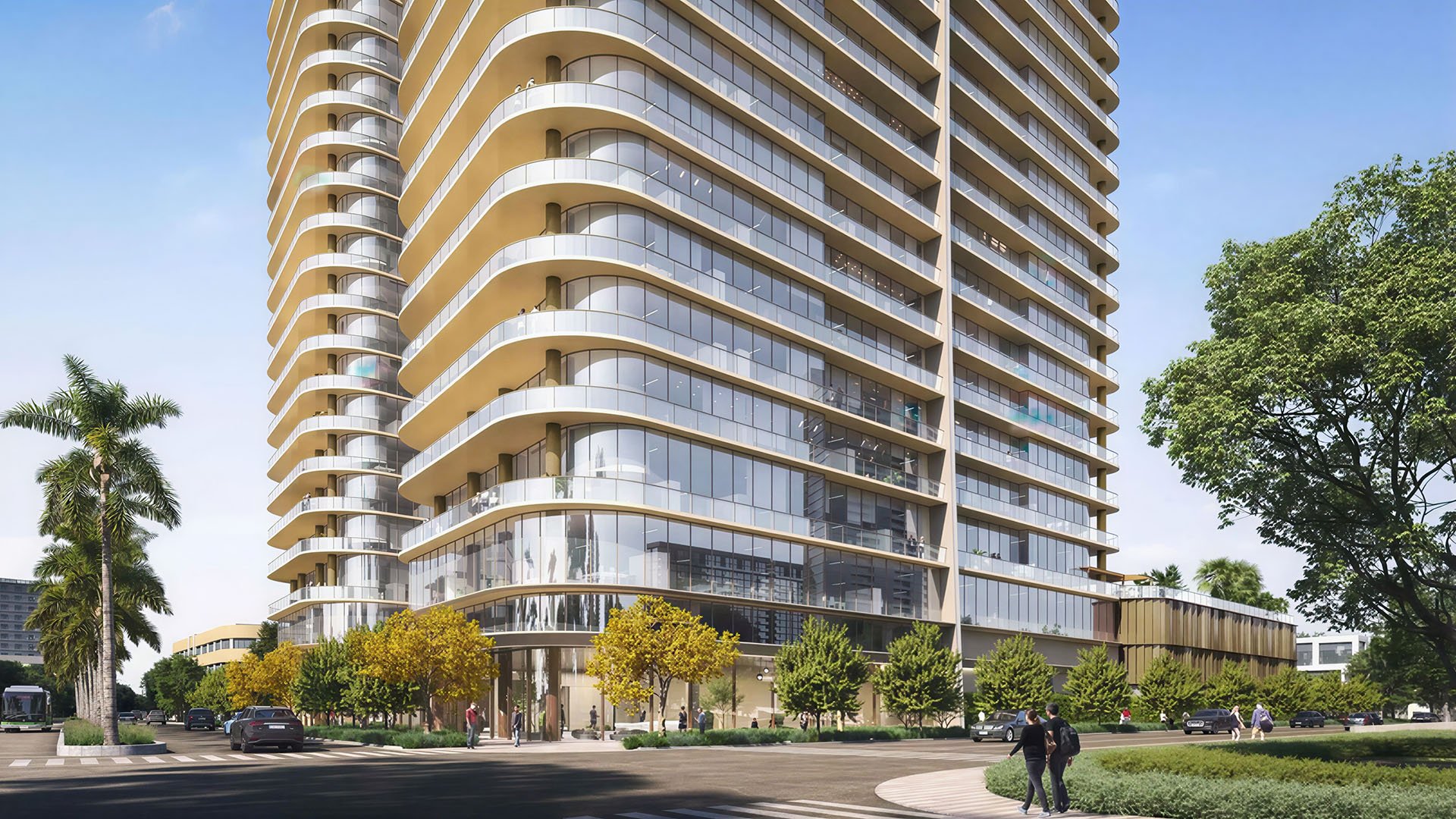
For a buyer who considers indoor environmental quality essential, luxury begins behind the walls. Air filtration, water treatment, finish selection, and responsibility for maintaining those systems deserve the same scrutiny as architecture and service. The distinction is between a residence with wellness language and one whose specifications and operating records withstand examination.
The five residences below form a due-diligence shortlist, not a verified health-performance ranking. None is established as satisfying all four requirements: air filtration, water quality, low-toxicity materials, and verifiable maintenance. Geography matters, too. Two candidates are in Edgewater, outside the title’s three neighborhoods, and none is identified as being within the Design District. A complete full-service operating package is not established for every candidate.
The purchasing standard is straightforward: ask what serves the actual apartment, what has been installed, and who is contractually responsible for keeping it working.
1. NoMad Residences Wynwood - Wynwood hospitality and wellness positioning
At 2700 NW 2nd Avenue, NoMad combines an address in one of the target neighborhoods with hospitality branding and wellness-oriented specifications. In 2022, its amenity program was marketed as WELL-certified, while the building was targeting LEED certification. Smart-sensing climate-control solutions were also presented as supporting indoor air quality.
That combination earns first consideration, not a clean bill of health. Current certification and installed-equipment status remain unestablished. Residence-wide HEPA filtration, water-test results, low-VOC finish schedules, and maintenance performance are also unverified. Buyers should request current certification scope and final mechanical schedules rather than treat historical amenity language as an apartment-level guarantee.
2. Diesel Wynwood - Wynwood pure-air design claims
In 2022, Diesel Wynwood was positioned as a planned LEED-certified building with WELL-certified amenities. Marketed residential features included “pure-air” and smart-sensing climate-control solutions. Its Wynwood location and environmental-design emphasis make it a relevant second candidate.
That language neither establishes a filtration-efficiency rating nor confirms completed-building certification. It also does not verify installed filtration, water treatment, or recurring testing. The next step is to translate each design claim into an equipment specification, a defined area of coverage, and an operating obligation that extends beyond the sales presentation.
3. Edge House Miami - Edgewater air and water specifications
Edge House offers the shortlist’s most explicit marketed pairing of air filtration and water treatment: an advanced air-filtration system and centralized UV water purification by CLEAR. Smart-building technology accompanies advertised services and facilities, including valet parking, guest check-in, storage, and EV charging.
This is an Edgewater alternative, not an address within the three named districts. Distances are approximately 1.4 miles to Wynwood, 1.5 miles to Downtown Miami, and 1.7 miles to the Design District. Buyers should establish the treatment system’s coverage, final equipment specifications, and maintenance requirements. Neither treatment scope nor maintenance records are verified here.
4. LILLI Miami - Edgewater building-wide filtration claim
Located at 717 NE 27th Street in Edgewater, LILLI explicitly markets high-efficiency air filtration integrated throughout the building. Its living greenery is also positioned as supporting air quality and emotional well-being, though that positioning is not a measured indoor-air-quality result.
The building-wide claim warrants a detailed mechanical review. It does not establish filter class, whole-building water treatment, low-toxicity finish schedules, or a defined full-service operating package. For a buyer requiring all four protections, LILLI belongs on the inspection agenda, not on a list of already-qualified residences.
5. Waldorf Astoria Residences Miami - Downtown hotel-style service
Waldorf Astoria’s Downtown Miami offering includes concierge, valet, housekeeping, and hotel-style operations. Those services make it relevant to buyers seeking an organized residential service structure rather than a collection of stand-alone amenities.
Its fifth-place position reflects the distinction between hospitality and environmental performance. Residential filtration standards, whole-home water purification, low-VOC materials, and indoor-environment monitoring are not verified. Buyers should determine whether the service agreement addresses in-residence environmental systems at all-and which tasks remain an owner responsibility or a separately billed service.
At Waldorf Astoria Residences Downtown Miami, the question is not simply whether housekeeping is available. It is whether the operating agreement assigns responsibility for filter replacement, equipment access, testing, and corrective work. A service offering and a maintenance obligation are distinct purchasing considerations.
The same discipline should guide any wider comparison that includes Kempinski Residences Miami Design District. Its inclusion in a buyer’s search should not imply equivalence with the shortlist’s environmental claims. Request the same apartment-specific evidence before drawing conclusions from branding or neighborhood appeal.
Air filtration.
Request final HVAC schedules, filter ratings, commissioning documentation, and a clear explanation of which systems serve residences and which serve shared spaces. At Lilli Miami Edgewater, this is the appropriate way to examine the marketed building-wide filtration claim. Ask for recent air-test results where available, and identify who authorizes corrective work.
Water quality.
Obtain treatment schematics, equipment specifications, and recent water-test results. For Edge House, the centralized UV claim provides a specific starting point: establish what is treated, where treatment occurs, and which outlets receive treated water. A named technology is no substitute for documented performance; an unspecified treatment scope should not be assumed.
Low-toxicity materials.
Ask for finish-emissions documentation covering the materials actually specified for the residence. Request low-VOC schedules and identify any substitutions. None of the five candidates has an established low-toxicity finish package in this shortlist. This requirement therefore needs independent attention, not inference from certification language.
Verifiable maintenance.
Review preventive-maintenance logs, service contracts, association budgets and reserves, and agreements distinguishing building obligations from owner obligations. If operating history is unavailable, request the proposed maintenance program and contractual responsibilities without treating them as evidence of completed work. Confirm separately billed services before comparing ownership costs.
For this buyer, the strongest residence is not necessarily the one with the most elaborate wellness vocabulary. It is the one whose apartment-level systems, material documentation, and maintenance arrangements align with the intended standard of living. Keep historical design intentions, current specifications, and operating evidence separate throughout the review.
Treat unresolved questions as purchase conditions to discuss with the appropriate advisers, not details to revisit after closing. The objective is discreet, dependable ownership supported by records as carefully considered as the interiors.
Explore your South Florida residential options with MILLION.
If branded residences are on your mind — as a home or as an allocation — we would be glad to share what we are seeing, privately.
Begin a quiet conversationNo. None is established as providing a complete, verified package of air filtration, water quality, low-toxicity materials, and maintenance records.
No. Edge House and LILLI are in Edgewater, and none of the five is identified as being inside the Design District.
It combines a Wynwood address, hospitality branding, and historical wellness-oriented specifications. Its position is an editorial due-diligence priority, not confirmation of superior health performance.
Current certification status is not established. Their wellness and certification descriptions date to 2022 development positioning and require updated documentation.
The available description includes pure-air and smart-sensing climate-control features but does not establish a filtration-efficiency rating.
Edge House markets centralized UV water purification by CLEAR alongside advanced air filtration. Treatment coverage, performance, and maintenance records still require verification.
LILLI markets high-efficiency air filtration integrated throughout the building. The specific filter class and measured indoor-air-quality performance are not established.
Its Downtown Miami service proposition includes concierge, valet, housekeeping, and hotel-style operations. Those services do not establish residential environmental-system performance or maintenance coverage.
Request finish-emissions documentation, low-VOC schedules, and details of material substitutions for the actual residence. No candidate has an established complete low-toxicity finish package here.
Review preventive-maintenance logs, service contracts, association budgets and reserves, and agreements defining owner versus building responsibilities. Confirm which in-residence services carry separate charges.