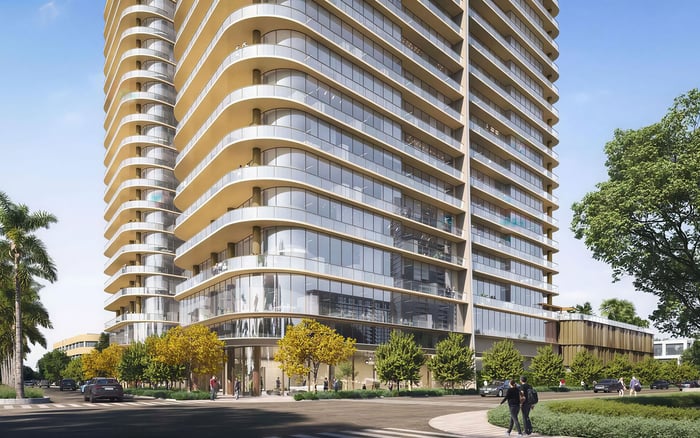
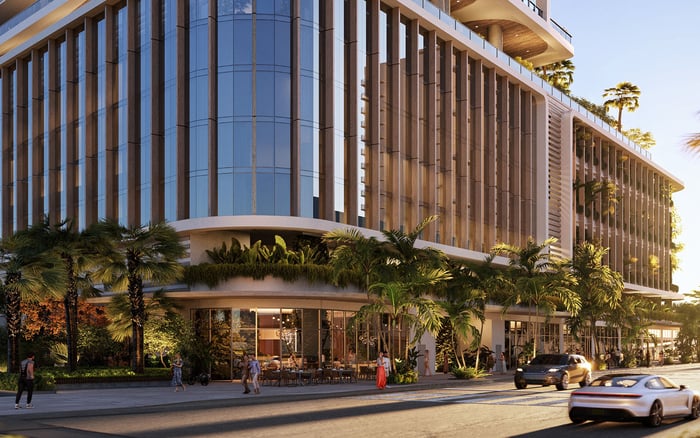
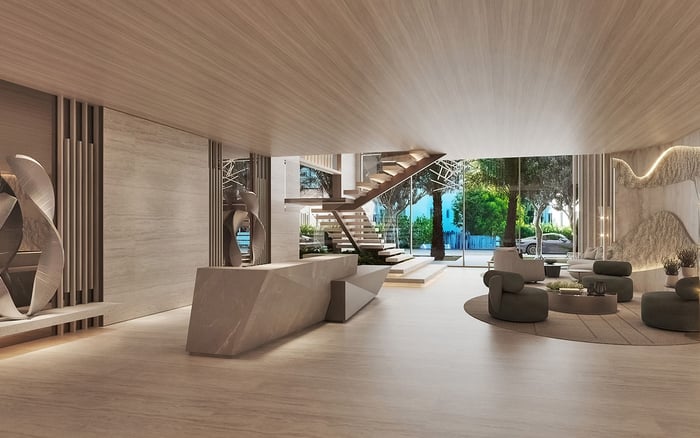
A practical framework for evaluating Design District residential amenities through peak-period visits, written access rules and operating evidence, rather than the length of an amenity list.
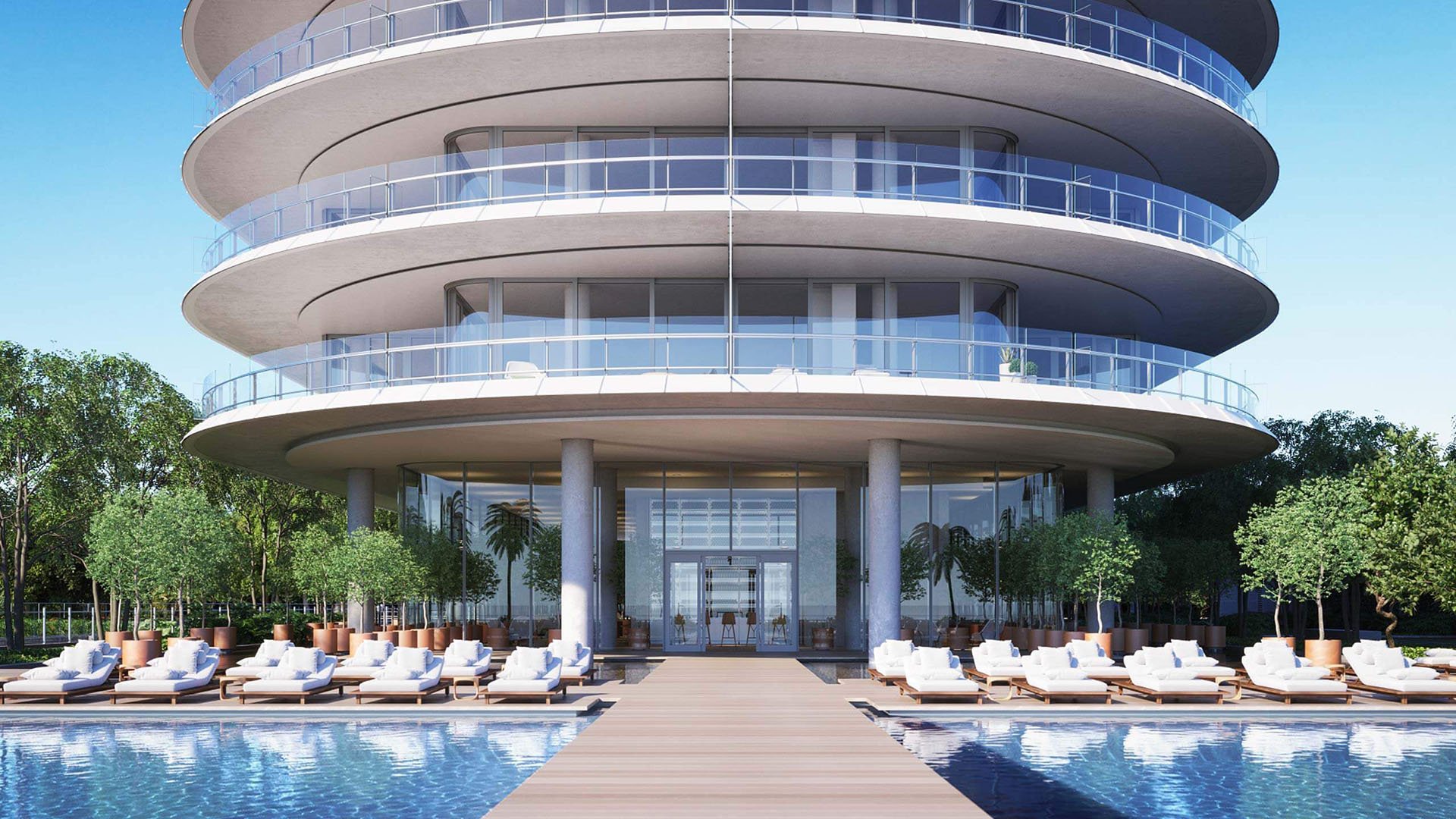
An amenity collection is only as valuable as the access it offers when an owner wants to use it. In Miami’s Design District, the buyer’s question is not simply whether a residence offers a pool, wellness spaces and concierge service. It is whether those facilities can support the household’s preferred routine when residents, guests and neighborhood visitors converge.
The distinction is between inventory and usable capacity. A generous lounge may be unavailable during private events. A spa may offer an appealing treatment menu but no appointments at the desired hour. Neither possibility establishes a shortcoming at any particular building; each identifies something worth testing before purchase.
Start with delivery status. Advertised amenities are not evidence of completed, operating facilities. Where operations have begun, compare observations with written rules and historical records. Where they have not, evaluate plans and commitments without treating projections as demonstrated performance.
A quiet tour establishes a baseline, not a verdict. A useful diligence calendar includes a weekday morning, Saturday afternoon, Saturday evening and a December event period. These are recommended observation windows, not verified peak hours for any residence; use them to test whether conditions actually differ.
Art Basel week is particularly relevant to the building’s relationship with the neighborhood because it brings heightened congestion and parking demand. Record the date, weather, nearby events and facilities accessible during each visit. Otherwise, two seemingly comparable tours may reflect very different operating conditions.
If Miami Tropic Residences also appears on your shortlist, use the same observation template for that evaluation. The purpose is not to assume equivalent amenities or operating models, but to ask consistent questions wherever you are considering ownership.
Start the clock before reaching the driveway. Biscayne Boulevard forms the district’s eastern edge and carries heavy traffic; interior streets are narrower and partly pedestrian-scaled. Test individual approach routes rather than assuming one successful arrival represents every direction of travel.
Measure approach time, the valet queue, vehicle handoff and elevator access separately. On departure, time retrieval from the moment the car is requested until it is ready to leave. Note whether residents, visitors and service activity share circulation points, then ask how access is managed during events.
The district’s four covered parking garages do not establish a residence’s valet capacity. Neighborhood parking supply and building retrieval performance are separate questions. Ask for operating hours, guest procedures, staffing arrangements and any event-period changes. Distinguish written policy from what you observed on a single visit.
At Kempinski Residences Miami Design District, the advertised program includes 132 residences, six townhomes and 17 private guest suites. Those figures should prompt specific questions: who may reserve the suites, how far ahead bookings open, what stays are permitted and which residential amenities guests may access. Do not treat guest suites as an unrestricted extension of an owner’s home.
The advertised twin towers connect through a private fourth-floor amenity bridge, with wellness amenities and poolside gardens. Review that level as a shared circulation environment: how people reach it, where routes intersect and how simultaneous use would be accommodated. The word private does not, by itself, establish exclusivity to an individual tower.
Family spaces and an Owner’s Lounge warrant their own capacity review. Request seat counts, guest allowances, maximum event occupancy and private-function restrictions. Ask whether an event can displace ordinary resident use and what alternative space, if any, remains available.
The advertised service program also includes a 24-hour concierge trained by Kempinski. That describes coverage and training, not verified shift staffing or response times. Ask how overlapping requests are handled. Where operations exist, seek evidence of service performance rather than drawing conclusions from the brand alone.
Miami Design Residences is marketed with an approximately 85-room hotel component. Confirm the current configuration directly with the developer before assessing demand. The central question is not whether hotel guests necessarily create pressure, but which facilities they may use and under what rules.
For the marketed rooftop pool and sun deck, separately confirm owner exclusivity, lounger inventory, guest allowances and resident priority. Request both permitted occupancy and the number of usable seats. A maximum occupancy figure does not establish that a household can find adjacent loungers at its preferred hour.
Apply the same discipline to the marketed full-service spa and fitness center. Ask for treatment-room counts, fitness stations, reservation windows, cancellation terms and holiday restrictions. Establish whether residents receive booking priority and whether outside users have access. None of these marketing descriptions provides measured utilization or waiting times.
If facilities are not operating, replace a proposed live test with a document review. Request capacity schedules, circulation plans, access provisions and the proposed service model. With appropriate professional review, separate binding commitments from illustrations and descriptions that remain subject to change.
Reconcile marketing language with condominium documents, applicable hotel-management agreements and house rules. Identify who may change reservation policies, guest privileges or access arrangements. Keep unresolved matters as open purchase questions rather than filling gaps with assumptions.
For an operating property, request available reservation logs, staffing schedules, elevator outages, valet records and peak-season complaints. Check the periods those records cover. A quiet-month snapshot is not a substitute for evidence from the conditions most relevant to your intended use.
Use the same categories for every candidate: observed availability, waiting time, privacy, staffing, booking friction and maintenance. Record what you observed, what was confirmed in writing and what remains unverified. Set personal tolerances before comparing properties, particularly for school-day departures, visiting family or evening entertaining.
A buyer also considering Villa Miami can apply these categories without assuming that its facilities or access arrangements match those of a Design District candidate. Consistency makes the comparison useful; a longer amenity list does not make the decision for you.
The information presented does not establish capacity problems at either Design District project. The objective is a more precise purchase judgment: whether documented access and demonstrated operations, where available, support the way you intend to live.
For a considered approach to your South Florida residential search, explore MILLION.
If branded residences are on your mind — as a home or as an allocation — we would be glad to share what we are seeing, privately.
Begin a quiet conversationAn amenity count identifies facilities, not whether they are available when needed. Capacity diligence examines access, reservations, seating and service under relevant conditions.
Compare a weekday morning, Saturday afternoon, Saturday evening and a December event period. These are suggested testing windows, not established peak hours for any building.
Heightened congestion and parking demand make it useful for assessing approach routes and the building’s neighborhood interface. It does not independently establish indoor amenity demand.
Record approach time, valet queue, handoff, elevator access and vehicle retrieval. Keep each stage separate so driveway waiting does not obscure the full experience.
The advertised program includes 17 private guest suites. Confirm eligibility, reservation windows, permitted stays and whether suite occupants receive access to residential amenities.
The advertised bridge connects the twin towers and includes wellness amenities and poolside gardens. Buyers should examine circulation and ask how simultaneous demand would be accommodated.
No. Advertised coverage and training do not establish shift staffing, response times or the handling of simultaneous requests.
Confirm the current configuration of the marketed approximately 85-room component and any resident–hotel overlap. Establish facility access, booking priority and guest restrictions separately.
Review plans, capacity schedules, access provisions and contractual commitments. Proposed facilities and service models should not be treated as demonstrated operational performance.
The supplied information does not establish such problems. The diligence framework identifies questions to test rather than findings of inadequate capacity.