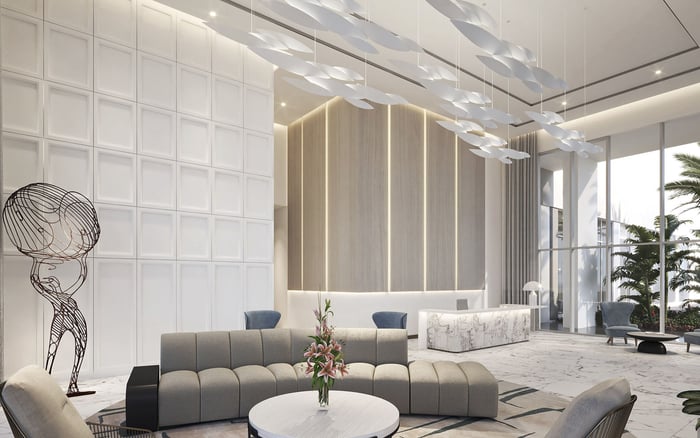
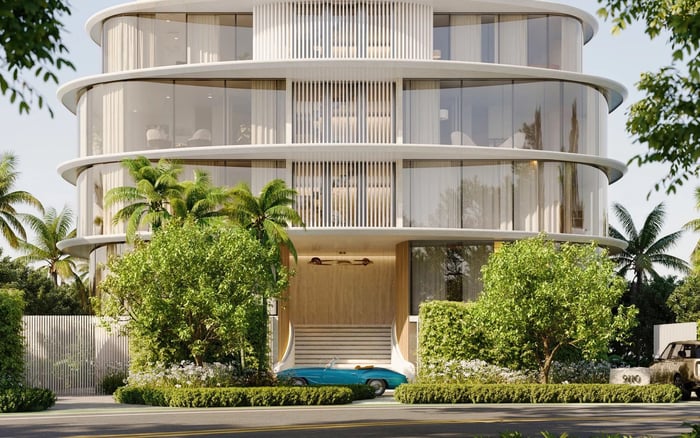
A buyer-focused shortlist of five Fort Lauderdale residences, with a disciplined framework for evaluating whether wellness amenities will support everyday routines.
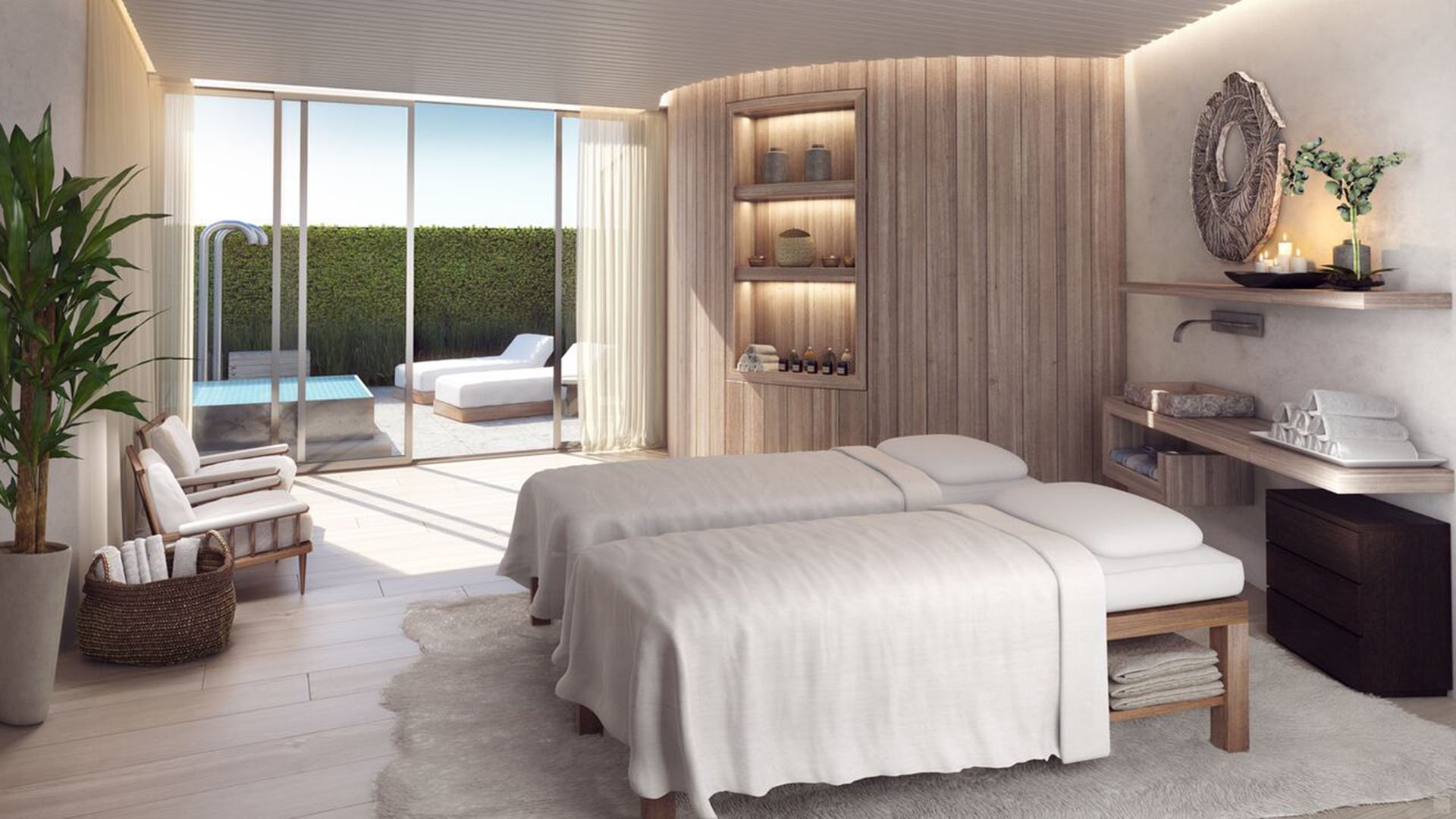
In luxury residential real estate, wellness is often framed through an appealing vocabulary: serenity, restoration, movement, privacy and connection to nature. For buyers, however, the more consequential question is practical: Will the amenity program improve daily life after the novelty of arrival fades?
That distinction is especially relevant in Fort Lauderdale, where buyers may be balancing waterfront aspirations, beach proximity, seasonal use and full-time routines. A beautiful wellness space can be compelling, but lasting value depends on frictionless access, sensible operating hours, appropriate capacity and an atmosphere residents will genuinely use.
The following ranking offers a focused starting point for buyers evaluating wellness through the lens of everyday utility. Rather than treating every amenity as equally valuable, it emphasizes residences whose names and positioning make them relevant to a wellness-centered comparison, while leaving specifications, availability and current access policies for direct confirmation.
1. Auberge Beach Residences & Spa Fort Lauderdale - spa-forward identity
The residence name places both the beach and spa experience at the center of its identity. For wellness-minded buyers, that makes it a natural consideration for a shortlist connecting indoor restoration with a coastal routine.
The decisive questions are operational: how resident access works, which experiences require reservations and whether the spaces are convenient enough for frequent-not merely occasional-use.
2. Four Seasons Hotel & Private Residences Fort Lauderdale - hospitality-linked living
The combination of hotel and private residences makes this a relevant option for buyers who value a hospitality-oriented residential setting. The wellness assessment should distinguish among residential privileges, hotel offerings and services that may carry separate charges.
Buyers should also test how naturally movement, recovery and quiet time fit within the building’s everyday circulation.
3. St. Regis® Residences Bahia Mar Fort Lauderdale - Bahia Mar setting
For buyers who view wellness as a broader lifestyle pattern, the essential inquiry is how the residence supports transitions between home, outdoor time and personal routines.
Privacy, scheduling and the practical route from residence to amenity spaces deserve as much scrutiny as the visual presentation.
4. The Ritz-Carlton Residences® Fort Lauderdale - branded residential option
This branded residential name may appeal to buyers who prefer a recognizable luxury framework. Yet brand recognition should never replace a careful review of the resident experience, particularly peak-hour capacity, guest policies and the separation between energetic and quiet zones.
A buyer seeking daily value should picture an ordinary morning, not simply a weekend stay.
5. Riva Residenze Fort Lauderdale - residentially focused alternative
Riva Residenze provides a useful counterpoint within this shortlist: its name presents a residential identity without a hotel brand in the title. That distinction may interest buyers who prioritize a home-first atmosphere when evaluating wellness and privacy.
The essential task is to confirm which facilities align with the buyer’s actual habits and whether their placement within the property encourages regular use.
A polished rendering or pristine tour can convey mood, but neither can reveal whether an amenity will function gracefully at 7 a.m. or during a busy holiday week. Buyers comparing the shortlisted residences should request a precise explanation of resident access, service boundaries and recurring costs.
A hospitality association may be attractive, but buyers still need clarity on reservations, guests, private sessions, maintenance periods and spaces reserved exclusively for residents. The objective is not to count amenities. It is to identify which property creates the least friction between intention and action.
Begin with routine. A buyer who swims most mornings should prioritize lane access, operating hours, water conditions and changing facilities. Someone focused on strength or mobility should examine the equipment mix, available floor space and whether private instruction is permitted. Recovery-oriented buyers may care more about quiet, temperature, treatment access and acoustic separation.
Next, assess convenience. Time the route from the residence to each priority space. Determine whether it requires an elevator change, lobby crossing or outdoor passage. Small inconveniences can have an outsized effect on repeated use.
Then review governance and cost. Determine what regular ownership expenses include, what is à la carte and what may change under operating rules. Confirm guest limits, age policies, reservation windows and closure procedures. Buyers should also ask how the facilities are maintained during periods of heavy use.
Search terminology can be useful, but it should never replace confirmation. Labels such as Pool, Beach-access, Waterfront and Lifestyle may help organize an initial search across Fort Lauderdale and Fort Lauderdale Beach. On their own, they do not establish quality, availability or resident priority.
Finally, consider emotional fit. Some buyers want a socially animated wellness environment; others prefer near silence. Even the most elaborate setting may be wrong if its pace conflicts with how the buyer restores energy.
What gives a wellness amenity real daily value? Frequent, convenient use matters more than spectacle. Access, privacy and operating reliability should support an established routine.
Should buyers prioritize the number of amenities? No. A smaller collection of well-placed, well-managed spaces may be more useful than a long menu requiring reservations or added fees.
How should a buyer evaluate a residential pool? Confirm its hours, capacity, resident priority and maintenance schedule, then determine whether the setting supports the buyer’s intended use.
Do hospitality-linked residences automatically offer better wellness? Not automatically. Buyers should distinguish residential access from hotel services and identify any separate charges or booking requirements.
Why do guest policies matter? Guest rules shape privacy, capacity and the atmosphere of shared spaces. They are particularly important during holidays and peak periods.
What costs should be reviewed before purchasing? Determine which amenities are included, which services are separately priced and how maintenance or staffing expenses are handled.
Is beach proximity enough to count as a wellness benefit? It can support an outdoor routine, but practical access, comfort and the buyer’s habits determine its true value.
How can seasonal buyers assess usability? They should examine peak-period demand, reservation windows and closure policies for the months when they expect to occupy the residence.
What should buyers verify during a property tour? Walk the full route to priority spaces, observe noise and privacy, and request the current rules governing access and guests.
Which residence is best for every wellness-focused buyer? None is universally best. The strongest choice is the one whose access, atmosphere, costs and routines align with the individual owner.
For a confidential assessment and a building-by-building shortlist, connect with MILLION.
If branded residences are on your mind — as a home or as an allocation — we would be glad to share what we are seeing, privately.
Begin a quiet conversation