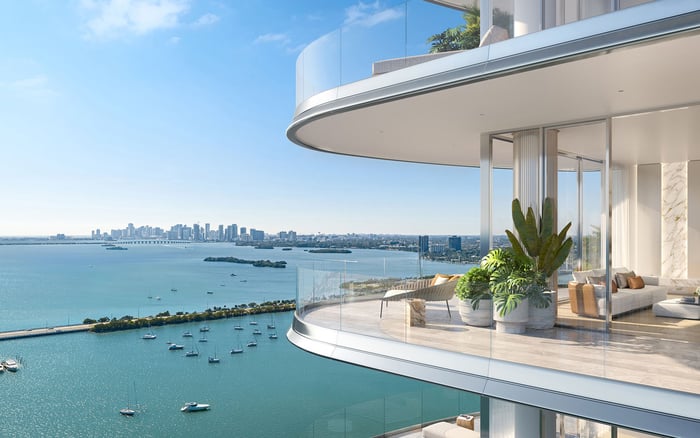
In North Bay Village, luxury is shaped as much by the trip from curb to residence as by the home itself. This buyer-focused guide explains how to evaluate private elevator access, valet circulation, privacy, redundancy, staffing, and operating protocols before assigning value to convenience.
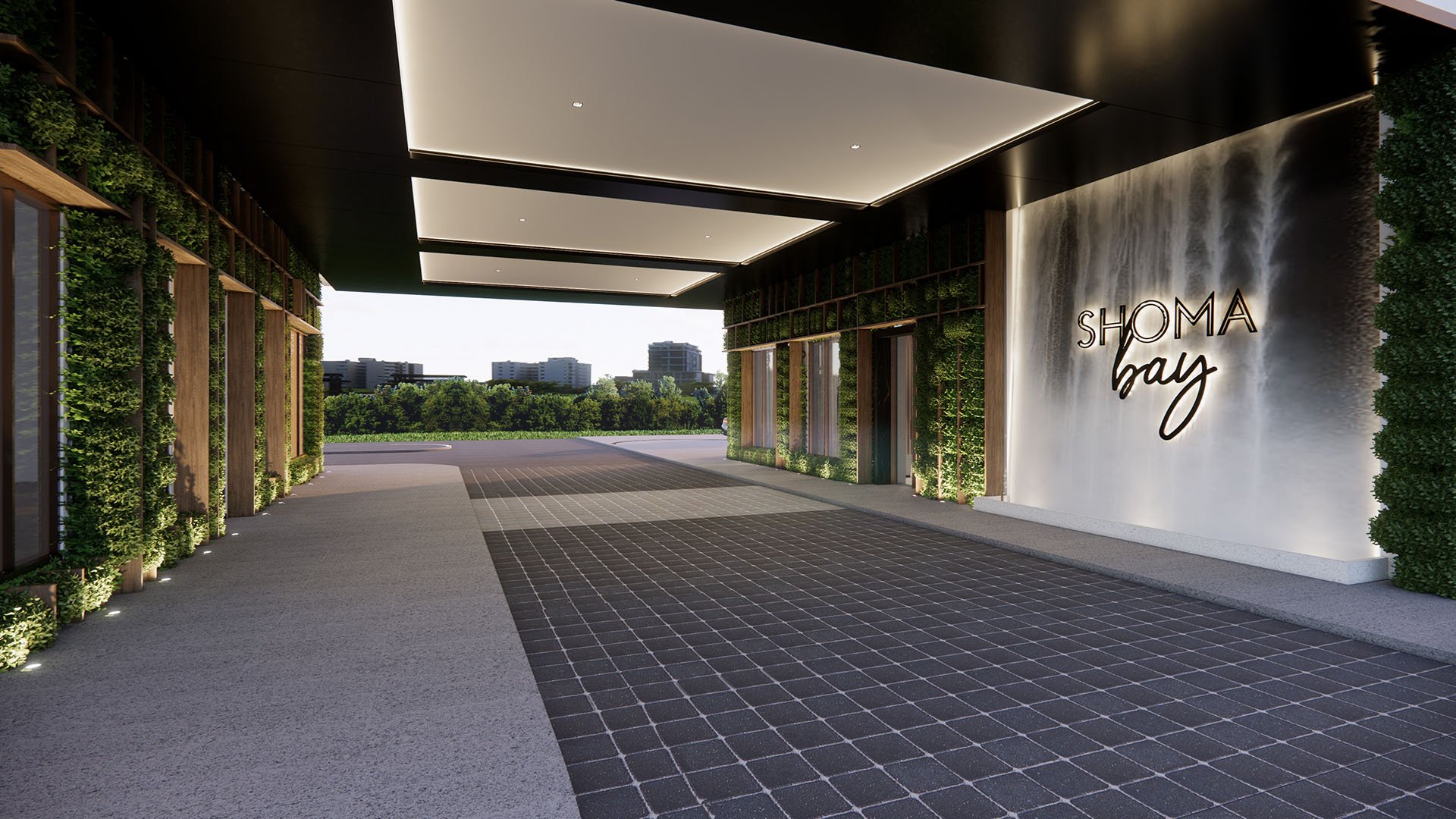
In a luxury condominium, the ownership experience begins before the front door. The route from vehicle to lobby, elevator, and residence shapes privacy, convenience, and the emotional quality of coming home. In North Bay Village, whether buyers are considering a primary residence, second home, or future purchase, that sequence deserves the same scrutiny as the floor plan.
Private elevator access and valet service are often presented as individual amenities. In practice, each belongs to a larger operating system. The meaningful questions are who shares the route, how guests are managed, where deliveries wait, what happens during busy periods, and whether an alternate path remains comfortable when equipment or staffing is unavailable.
This is as much a lifestyle question as a technical one. Waterfront ownership can feel remarkably composed when circulation is deliberate. When it is not, even an impressive residence may demand daily compromises.
The phrase “private elevator” can describe different arrangements, so buyers should identify precisely what is included. Does the elevator open directly into the residence, into a controlled vestibule, or onto a shared landing? How is access authorized? Can guests select a residential floor without approval? Where do service personnel, packages, and movers enter?
The answers determine whether the feature provides true separation or simply a more intimate threshold. A direct opening may feel highly residential, but it also makes access control, camera placement, fire procedures, and backup circulation especially important. Experience the complete trip rather than viewing the elevator only from inside the home.
Plan configuration matters, too. Buyers evaluating flow-through units should trace how the elevator arrival relates to the principal living areas, bedrooms, service spaces, and secondary entrance. The best arrangement for entertaining may differ from the best one for discreet household operations.
Prospective purchasers can use Continuum Club & Residences North Bay Village as one point of inquiry when comparing how current local offerings describe residential access. The objective is not to assume equivalence, but to request the same operational details from every property under consideration.
Valet service should be evaluated as movement, not theater. A polished porte cochere may photograph well, yet ownership quality depends on how vehicles queue, keys are controlled, residents request cars, and staff separates arrivals from departures.
Observe the route during a tour. Is there room for a resident to pause without obstructing another vehicle? Can guests be greeted while deliveries are processed? Is pedestrian movement protected from reversing cars? Where does a waiting resident stand in heat or rain? These details reveal whether the arrival has been designed for real use.
Request a clear explanation of the protocol for busy evenings, holidays, construction activity, large deliveries, and multiple household vehicles. New-construction presentations may illustrate the intended experience, but buyers should distinguish physical design from operating promises. Staffing levels, retrieval procedures, resident technology, and guest validation can materially influence the result.
At Shoma Bay North Bay Village and Tula Residences North Bay Village, buyers can frame project-specific questions around the same practical journey: curb, handoff, lobby, elevator, and front door. This creates a more useful comparison than counting amenities alone.
A careful buyer should request a live demonstration whenever possible. Arrive by car, enter as a guest, request elevator access, and walk any alternative route. If the building is not operational, request plans showing vehicle turning, staging areas, elevator banks, loading access, garage entry, and pedestrian circulation.
Then test the exceptions. What happens if a private elevator is being serviced? Is there a secondary entrance to the residence? Can household staff use a separate route? How are oversized deliveries handled? Does valet service operate continuously, or are there defined hours and procedures? The value lies in dependable execution, not terminology.
Privacy should also be considered from both directions. A highly controlled elevator can limit casual access, while poor guest protocols may inconvenience residents who host frequently. The right balance depends on household habits. A buyer who entertains often may prioritize smooth authorization; a privacy-focused owner may prefer tighter intervention at the lobby.
For a broader nearby comparison, Origin Bay Harbor Islands allows buyers to examine how another island setting approaches the transition between street and residence, without presuming that specifications or procedures are identical.
The ownership equation extends beyond aesthetics. Buyers should review the condominium documents, proposed or current budget, service contracts, rules, warranties, and insurance materials with qualified advisers. Determine who maintains elevator components serving the residence, how interruptions are addressed, and whether interior vestibule elements fall within the unit owner’s responsibility.
Valet economics deserve equal attention. Clarify whether service is included in regular assessments, whether gratuities or parking charges are separate, how additional vehicles are treated, and whether residents may self-park. Do not rely on verbal shorthand when a written rule, budget line, or contract can provide the operative answer.
This diligence is particularly important in the North Bay Village market, where a buyer may be comparing completed residences with pre-construction opportunities. The central question is simple: Does the access system support how the household actually lives, and is that experience adequately documented?
Does private elevator access always mean the elevator opens inside the residence? No. It may refer to direct entry, a controlled vestibule, or a limited-access landing, so confirm the exact configuration.
What should I inspect during an elevator demonstration? Test authorization, guest entry, travel time, landing privacy, the secondary route, and access during a service interruption.
Why does valet circulation matter to a condo buyer? It influences waiting, privacy, pedestrian safety, guest reception, and the ease of retrieving a vehicle during busy periods.
Should I visit at a particular time? If access permits, compare a quiet tour with a period when resident, guest, delivery, and service traffic may overlap.
What valet questions belong in written due diligence? Confirm operating hours, staffing responsibility, vehicle limits, self-parking options, fees, guest procedures, and key control.
How should frequent entertainers assess private access? They should test guest authorization and determine whether repeated arrivals can be managed smoothly without weakening residential privacy.
What matters for a household with staff? Review service entrances, alternate elevators, package handling, parking procedures, and whether circulation separates household operations from formal arrival.
Can an elevator feature affect ongoing costs? It can involve maintenance and operational responsibilities, but the applicable documents and budget should define how costs are allocated.
How should a buyer compare completed and planned buildings? Experience operating systems in completed properties and request detailed plans, written specifications, and procedures for projects not yet operational.
What is the simplest ownership test? Follow the entire route from vehicle handoff to front door, then repeat it using the backup path and a guest scenario.
For a tailored shortlist and next-step guidance, connect with MILLION.
If branded residences are on your mind — as a home or as an allocation — we would be glad to share what we are seeing, privately.
Begin a quiet conversation