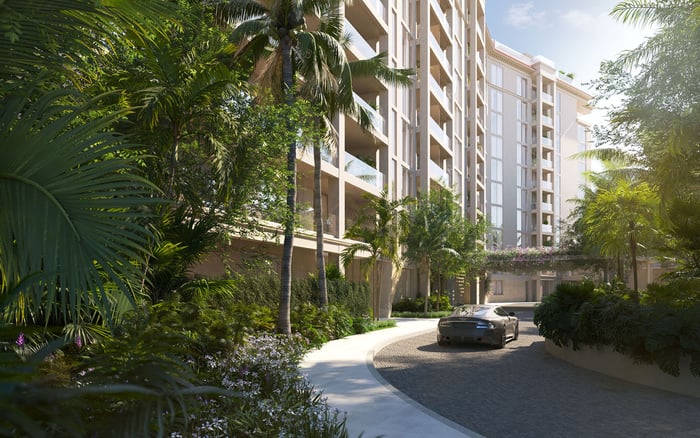
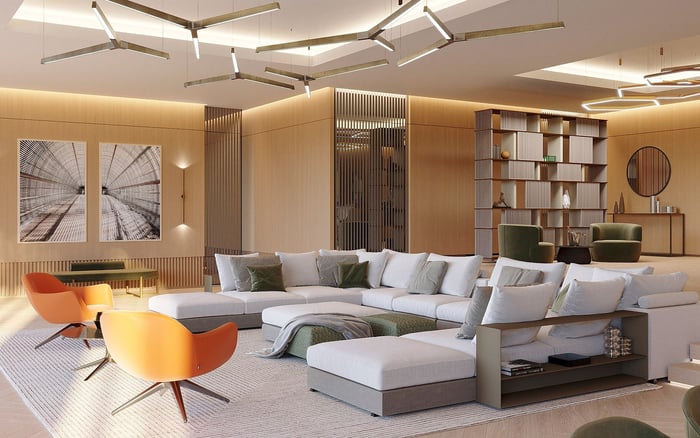
A discreet buyer’s guide to five Fisher Island addresses, ranked through the practical lenses of walkability, privacy, daily rhythm, and transaction due diligence.
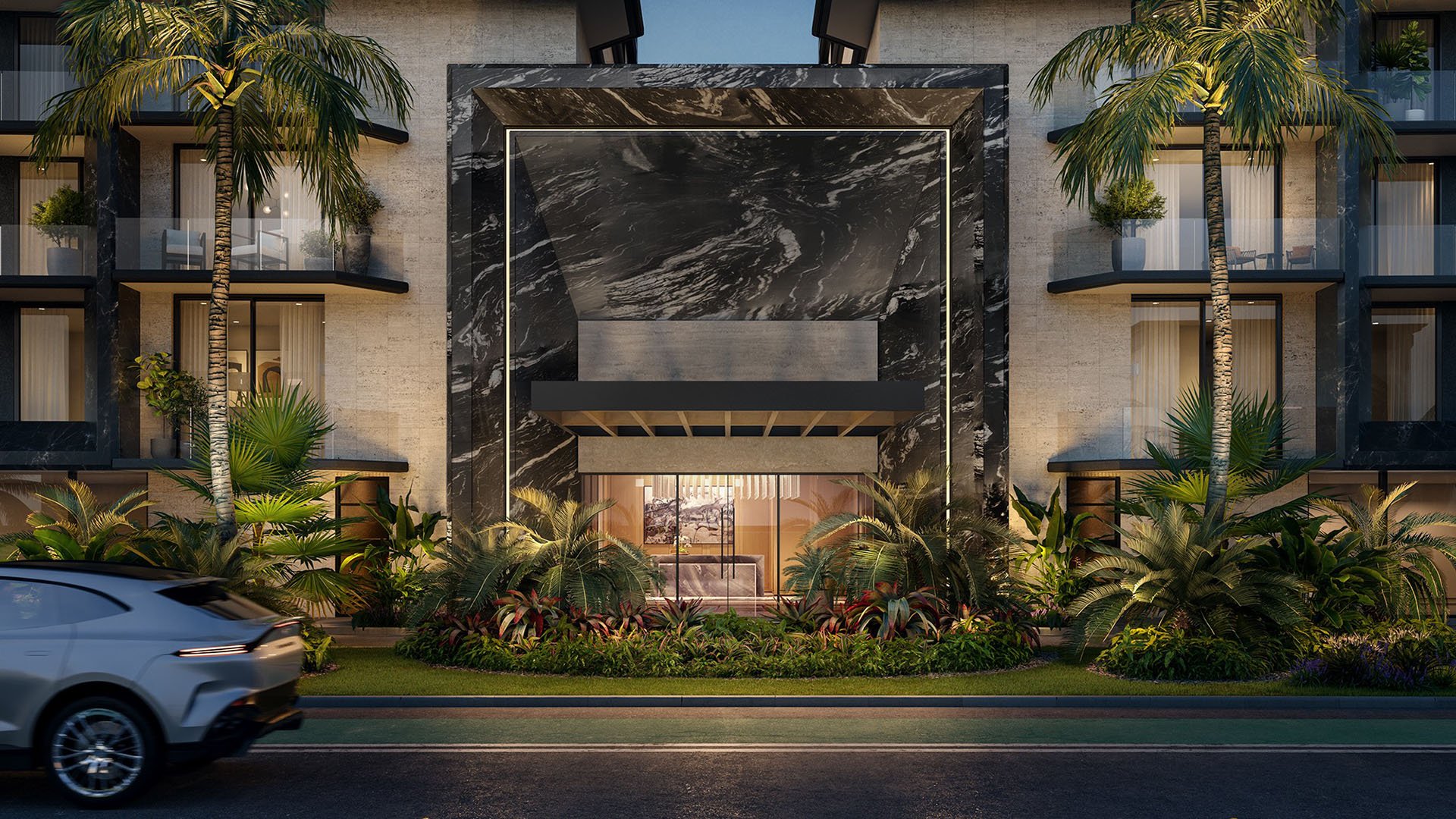
On Fisher Island, walkability is not simply a measure of distance. For a luxury buyer, it means moving through a preferred daily routine with minimal friction while preserving a sense of separation. The most compelling address is therefore the one that aligns circulation, arrival, views, residence access, and personal habits.
This ranking treats discretion as an experiential quality, not a marketing phrase. Buyers should consider how a property feels from the first approach to the front door, how often shared spaces enter the routine, and whether the residence allows spontaneous movement without compromising privacy. Those priorities can matter as much as interior scale or finish.
1. Palazzo del Sol - strongest all-around candidate
Palazzo del Sol leads this editorial shortlist because it offers the clearest starting point for buyers seeking balance rather than one dominant attribute. The decisive test is personal: trace the precise routes that would shape mornings, evenings, guest arrivals, and service access before comparing available residences.
2. Palazzo della Luna - privacy-first contender
Palazzo della Luna suits a search defined by discretion. Buyers should examine the complete sequence from arrival to residence entry, then assess sightlines, elevator use, corridor exposure, and how often their preferred routine intersects with shared circulation.
3. Oceanside - daily-rhythm candidate
Oceanside belongs high on the list for buyers who define walkability through lifestyle rather than mileage. Evaluate it at the hours when you would actually leave home, return, host guests, or step out informally; convenience can feel different over the course of a day.
4. Bayview - outlook-led alternative
Bayview offers a distinct option for buyers to include in a comparative tour. The essential question is whether the setting, approach, and residence orientation support the preferred balance of outlook and retreat. Compare specific opportunities rather than relying on the address alone.
5. Seaside Village - intimate-scale option
Seaside Village completes the ranking as a candidate for buyers who may prefer a more residential rhythm. The decision should follow an in-person review of access, shared-space exposure, residence position, and the practical route between home and the places used most often.
A meaningful tour should begin with a written schedule. List the destinations and transitions that matter on a typical weekday, weekend, and evening with guests. Then walk those sequences at a natural pace. A short route that feels exposed may be less desirable than a slightly longer one with a calmer progression.
Buyers can frame the current Fisher Island conversation by reviewing Palazzo del Sol and Palazzo della Luna before touring. Use these references to organize questions, never as substitutes for inspecting a specific residence and its immediate surroundings.
This is where lifestyle priorities become concrete. Footwear, weather preferences, children, pets, staff movement, packages, and entertaining patterns can all change what “walkable” means. A buyer who values an unplanned evening stroll may assess the same route differently from someone focused on highly controlled arrivals.
Discretion should be assessed as a chain: approach, drop-off, entry sequence, vertical circulation, hallway, residence entrance, terrace exposure, and views from primary rooms. Ask where guests pause, where service interactions occur, and which moments feel visible. The objective is not isolation at every turn, but control over when social contact occurs.
For a broader comparison of residential formats, The Links Estates at Fisher Island and The Residences at Six Fisher Island can help buyers refine questions about circulation, privacy, and the relationship between a home and its setting. No two opportunities should be treated as interchangeable.
The gated-community label is only a starting point. Discretion ultimately depends on the specific residence, its position, the behavior of shared spaces, and the buyer’s own pattern of use. Likewise, waterfront appeal and privacy must be evaluated room by room, including daytime and evening sightlines.
A refined search separates address selection from residence selection. First, decide which daily environment feels right. Then compare the individual home’s orientation, condition, arrival experience, outdoor exposure, and practical circulation. Finally, review the transaction documents and any contemplated work before assigning value.
Resale buyers should not mistake polished presentation for a complete picture. Request the records relevant to the contemplated purchase, confirm what transfers, identify approval requirements, and clarify responsibility for any planned improvements. Legal, tax, insurance, financing, and inspection questions belong with the buyer’s chosen advisers.
The enduring principle is simple: the best luxury purchase is the one that performs elegantly on an ordinary day. In 2026, the winning Fisher Island address will be defined less by a universal hierarchy than by the quiet precision of fit.
Which Fisher Island address ranks first for this buyer profile? Palazzo del Sol leads this editorial ranking as the strongest starting point for balancing walkability and discretion.
Is walkability only about physical distance? No. It also encompasses route quality, ease of movement, exposure, timing, and how naturally the route fits a buyer’s routine.
How should buyers compare privacy between residences? Follow the entire journey from arrival to the front door, noting sightlines, shared circulation, pauses, and service interactions.
Should buyers tour at more than one time of day? Yes. Morning, evening, and guest-arrival conditions can reveal distinct patterns of movement and visibility.
Does a building name determine discretion? No. Privacy depends heavily on the particular residence, its position, circulation, and the buyer’s habits.
What should buyers bring to a second tour? Bring a written daily schedule, key measurements, adviser questions, and a checklist covering arrival, views, noise, and exposure.
How important is residence orientation? It can shape outlook, terrace privacy, interior sightlines, and the overall sense of retreat.
Should service access be part of the evaluation? Yes. Buyers should understand how deliveries, staff, maintenance, and guests move through the property.
What documents should be reviewed before an offer? Review all records relevant to the contemplated purchase with qualified legal, financial, insurance, and inspection advisers.
What is the best way to break a tie between two homes? Revisit both using the same real-life route, then choose the residence that makes ordinary routines feel more controlled and effortless.
For a confidential assessment and a building-by-building shortlist, connect with MILLION.
If branded residences are on your mind — as a home or as an allocation — we would be glad to share what we are seeing, privately.
Begin a quiet conversation