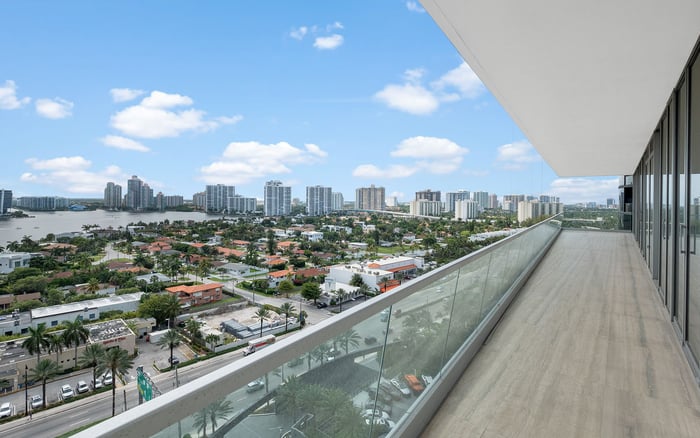
A discreet framework for converting new liquidity into a disciplined Sunny Isles Beach residence search, with priorities for structure, touring, diligence, and negotiation.

A liquidity event can make a South Florida purchase feel immediately attainable. It can also create pressure to act before the buyer has determined what the residence is meant to accomplish. For a Connecticut household considering Sunny Isles Beach in 2026, the first task is not selecting a tower. It is defining the mandate.
Is this a second home for extended winter stays, a future primary residence, or an investment that may occasionally serve the family? Each intention can produce a different set of priorities around privacy, carrying-cost tolerance, flexibility, storage, staffing, and amenities. A buyer expecting frequent guests may prize separation between bedroom suites. Someone planning shorter visits may place greater weight on effortless arrival, attentive service, and a low-friction, lock-and-leave routine.
Write the mandate on one page. Include the preferred timeline, maximum all-in commitment, desired condition, view priorities, household needs, and circumstances that would justify walking away. This document becomes a filter against impulsive decisions and keeps advisers aligned.
Purchase capacity and prudent allocation are not synonymous. Before touring, separate the capital available for acquisition from reserves intended for taxes, professional advice, furnishings, improvements, assessments, insurance, ongoing charges, and personal liquidity. The objective is to prevent an attractive residence from dictating the broader financial plan.
The transaction structure deserves a separate discussion. Cash, financing, and hybrid approaches can each affect timing, documentation, negotiating posture, and future flexibility. Ownership through an individual, trust, or entity may also carry legal, tax, estate, privacy, and lending implications. These are matters for the buyer's qualified advisers before a contract is signed-not administrative details to resolve after closing.
A liquidity event may also alter concentration risk. The residence should be considered alongside the buyer's remaining business interests, market exposure, philanthropy, family commitments, and planned distributions. An oceanfront home can be emotionally compelling while still demanding the same discipline as any other major allocation.
A productive search is broad enough to reveal trade-offs yet narrow enough to support meaningful comparison. Begin with several distinct reference points rather than an unstructured stream of listings. Bentley Residences Sunny Isles and St. Regis® Residences Sunny Isles can enter the conversation when the buyer is evaluating newer branded residences. They should be measured against the written mandate, not simply against one another.
The comparison should also include established names. A tour incorporating Jade Signature Sunny Isles Beach, The Ritz-Carlton Residences® Sunny Isles, and Turnberry Ocean Club Sunny Isles can help clarify preferences among available residence profiles. The purpose is not to collect buildings. It is to identify which combination of layout, privacy, condition, service model, and ownership framework will feel durable.
Keep the first tour diagnostic. After each visit, record reactions to the arrival, common areas, elevator experience, natural light, room proportions, outdoor space, storage, acoustic privacy, and staff interaction. Apply the same scorecard to every property. By the second tour, the search should be narrower and the questions more exacting.
A beautiful residence cannot compensate for unanswered questions about the building. Likewise, a well-regarded address does not make every unit equally suitable. Treat the acquisition as two related reviews.
At the unit level, examine orientation, usable layout, exposure, condition, included items, renovation implications, mechanical systems, and signs of prior alterations. Test whether the plan supports everyday life, not merely a staged showing. Furniture placement, luggage storage, work calls, guest circulation, and service access may matter more over time than a dramatic first impression.
At the building level, counsel and other specialists should review the governing documents, financial materials, meeting records, insurance information, pending work, assessment history, reserve information, approval procedures, use restrictions, and obligations attached to ownership. Buyers considering a resale should also establish precisely what transfers, what requires approval, and which representations belong in the contract.
Insurance and physical review require independent attention. Ask qualified professionals to evaluate the residence and explain relevant coverage, exclusions, deductibles, and responsibilities. The appropriate scope depends on the property and transaction. A sophisticated buyer should resist relying on summaries when the underlying documents can be reviewed directly.
The strongest offer is not automatically the highest. It is the offer whose economics, diligence rights, timing, funding, approvals, and closing mechanics fit the buyer's actual position. Before bidding, decide which points are essential, which are tradable, and which would prompt withdrawal.
Establish a complete picture of the transaction. Clarify inclusions, exclusions, deposits, review periods, financing terms if applicable, the desired closing date, and any post-closing arrangements. If furnishings or design work are anticipated, obtain preliminary professional guidance before assuming a schedule or budget.
Avoid negotiating against the emotional significance of the liquidity event. The seller is transacting a residence, not validating the buyer's success. A pre-agreed ceiling and documented walk-away conditions preserve judgment when a property feels unusually personal.
Acquiring a Florida residence and changing domicile are not the same decision. Buyers contemplating a broader move should coordinate legal, tax, estate, family-office, and administrative advice around their actual circumstances. The sequence of contracts, closings, travel, business activity, records, and household arrangements can matter; informal assumptions should not substitute for tailored counsel.
Operational planning is equally important. Determine who will oversee the home when it is vacant, receive deliveries, coordinate maintenance, prepare for arrivals, and respond to building communications. Decide what will remain in Connecticut and what must be duplicated. The best luxury purchase is not only visually persuasive. It is easy for the household to inhabit and manage.
When should the Sunny Isles Beach search begin after a liquidity event? Begin once the buyer has a written mandate and advisers have framed the capital, ownership, and timing questions.
Should the purchase budget equal the maximum available cash? No. Separate acquisition capital from reserves for ownership, professional advice, improvements, and personal liquidity.
Is cash always the best way to purchase? Not necessarily. Compare cash, financing, and hybrid structures with qualified financial, legal, and tax advisers.
How many buildings should a buyer tour initially? Tour a focused comparison set varied enough to reveal trade-offs but small enough for disciplined analysis.
What should be recorded after each showing? Note layout, light, privacy, condition, storage, outdoor space, arrival experience, service, and unresolved questions.
Should a buyer prioritize the building or the residence? Both require independent review. The unit must suit daily life, while the building must satisfy financial, legal, and operational diligence.
What deserves special attention in a resale purchase? Review condition, alterations, inclusions, transfer requirements, governing documents, financial materials, insurance, and pending obligations.
Can a Florida purchase establish a change of domicile? Do not assume so. Domicile planning is fact-specific and should be coordinated with the buyer's own legal and tax advisers.
How should buyers compare branded and non-branded options? Compare service, privacy, governance, costs, design, and long-term fit rather than relying on the name alone.
What is the best safeguard against an emotional overbid? Set a ceiling, identify walk-away conditions, and approve the negotiation framework before submitting an offer.
For a tailored shortlist and next-step guidance, connect with MILLION.
If branded residences are on your mind — as a home or as an allocation — we would be glad to share what we are seeing, privately.
Begin a quiet conversation