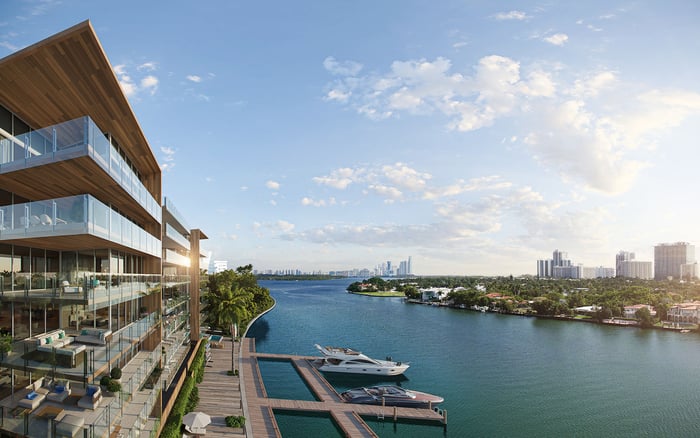
A buyer-focused Coconut Grove guide for discerning clients who want beach access, privacy, quieter arrivals, and a residence experience that does not feel overrun.
For a certain South Florida buyer, the ideal Coconut Grove residence is not defined by spectacle. It is defined by how gracefully it lives on a Thursday afternoon: how quietly guests arrive, how easily the household transitions to a beach day, and how little friction appears between the front door, the car, the water, and the private rhythm of home.
This is the buyer who wants access without exposure. The priority is not a lobby that performs like a hotel, nor a building where every amenity moment becomes a social event. It is a more discreet proposition: a polished Coconut Grove residence that supports coastal living while preserving the privacy, cadence, and calm that make the Grove feel distinct within Miami.
Within MILLION, the shorthand for this search is Coconut-grove, Beach-access, Boutique, Low-floors, Waterview, and Pool, but the real decision is more nuanced than any set of tags. Buyers should think less about which building photographs best and more about which residence minimizes unnecessary movement through shared space.
1. Waterfront-adjacent boutique residence - the privacy-first choice
A boutique residence is often the most intuitive fit for buyers who want fewer encounters between the elevator and the front door. The appeal is not merely scale. It is the way a smaller residential population can make arrivals feel less public and daily routines less observed.
For beach-oriented owners, this profile works best when the residence supports fast departures, simple guest coordination, and calm re-entry after time by the water. The strongest version combines a refined address, a controlled arrival sequence, and a floor plan that feels like a private retreat rather than an extension of the lobby.
2. Low-floor residence with direct-feeling access - the efficiency choice
A lower-floor home can appeal to buyers who dislike long elevator rides, crowded vertical circulation, or the feeling of depending on peak-hour building traffic. The preference is practical rather than purely aesthetic. It is about moving through the property quickly and predictably.
For owners who plan frequent beach days, fitness routines, dog walks, or relaxed waterfront outings, this profile can reduce the small delays that become irritating over time. The best low-floor option still needs privacy, light, and composure, but it does not need to sit at the top of the building to feel valuable.
3. Waterview residence with restrained amenities - the calm-luxury choice
Some buyers want the emotional benefit of water in view without the constant movement associated with highly programmed amenity environments. A waterview home with a measured amenity footprint can feel more residential, especially for owners who prefer quiet mornings and private evenings.
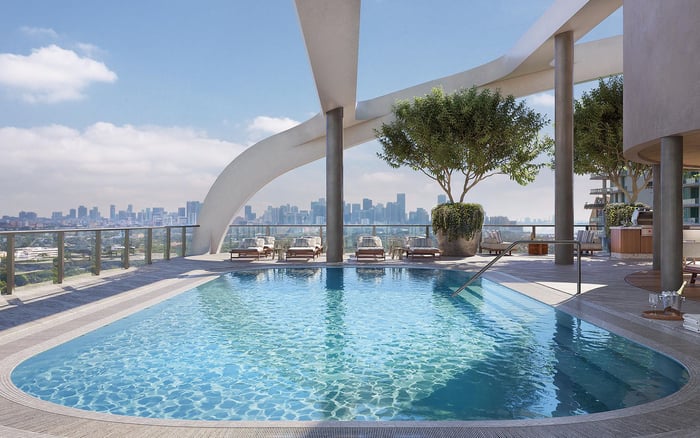
This profile suits households that use amenities selectively rather than socially. A pool, wellness space, or lounge can be desirable, but only if the building does not turn those features into magnets for congestion. The goal is balance: enough service to feel considered, not so much activity that the residence loses its private character.
4. Residence with a controlled arrival sequence - the guest-management choice
For buyers who entertain, host family, or travel with staff, the arrival experience matters as much as the view. A building that allows guests and service providers to move with clarity can protect the tone of the home. The wrong lobby condition can make even a beautiful residence feel exposed.
This profile rewards buyers who study the handoff points: parking, entry, elevator, reception, package flow, and visitor protocol. When those pieces are composed, a beach day or dinner at home feels effortless rather than staged through a public corridor.
5. Larger private residence in a quieter building - the long-stay choice
Seasonal owners and full-time residents often need a residence that can absorb real life. That may include beach gear, visiting family, pets, wellness routines, wardrobe changes, and multiple vehicles. A larger private home in a quieter building can reduce the need to rely on shared spaces.
For this buyer, the winning residence is the one that feels self-contained. It should make the lobby less central to daily life. When the home itself offers generous storage, comfortable entertaining areas, and a sense of separation, the building becomes an elegant frame rather than the main event.
In Coconut Grove, beach access should be understood as a lifestyle metric, not a single promise. A buyer should ask how often beach time will actually happen, who is coming along, how gear is transported, and whether the route feels easy in the moments that matter. The answer may differ for a couple, a family with children, a frequent host, or a seasonal owner arriving with guests.
The best residence is the one that makes the decision to go feel simple. That can mean a calm garage experience, predictable elevator movement, intuitive loading, or a layout that allows wet towels and casual returns without disrupting the formal rooms. Luxury is not only the destination. It is the absence of irritation along the way.
Lobby traffic is rarely discussed with the same intensity as finishes, views, and amenities, but it shapes the lived experience of a property. A congested arrival can make a residence feel less private, particularly in buildings where guests, residents, deliveries, valet activity, and amenity users intersect in the same zone.
For discreet buyers, the question is not whether a lobby is beautiful. It is whether it is overused. A serene lobby that functions predictably can support the tone of an ultra-premium residence. A dramatic lobby that becomes a gathering point may impress on a first visit but create fatigue over years of ownership.
This is especially important in South Florida, where seasonal patterns can intensify building activity. The buyer who values quiet should evaluate not only the residence itself but also the way the building behaves when occupied, hosted, and serviced.
The most refined approach is to walk the residence mentally through a full day. Start with morning coffee, a beach departure, a guest arrival, a package delivery, a return from dinner, and a quiet evening at home. If each movement feels intuitive, the building is supporting the life you want.
Buyers should also consider whether they prefer a socially visible address or a more private one. Neither is inherently better. The right answer depends on temperament. Some owners want a building that feels lively and staffed at every turn. Others want a residence that lets them disappear.
In Coconut Grove, that distinction is central. The neighborhood’s appeal is tied to shade, water, village texture, and a softer form of Miami luxury. The best residence for this particular buyer honors that mood. It offers proximity to coastal pleasures without converting every departure and return into a public performance.
Is Coconut Grove the right area for buyers who prioritize beach access? It can be, if the buyer values access as part of a broader coastal lifestyle rather than only immediate sand-front living.
Why does lobby traffic matter in a luxury residence? Lobby traffic affects privacy, arrival quality, guest flow, and the sense of calm that many high-end buyers expect at home.
Are boutique buildings always better for quiet living? Not always, but a smaller residential scale can reduce daily encounters and create a more discreet atmosphere.
Should buyers focus on high floors or low floors? High floors may offer views, while low floors can appeal to buyers who prioritize faster movement and less elevator dependence.
What should beach-focused buyers look for beyond location? They should study parking, storage, elevator flow, guest access, and how easily the home handles casual returns from the water.
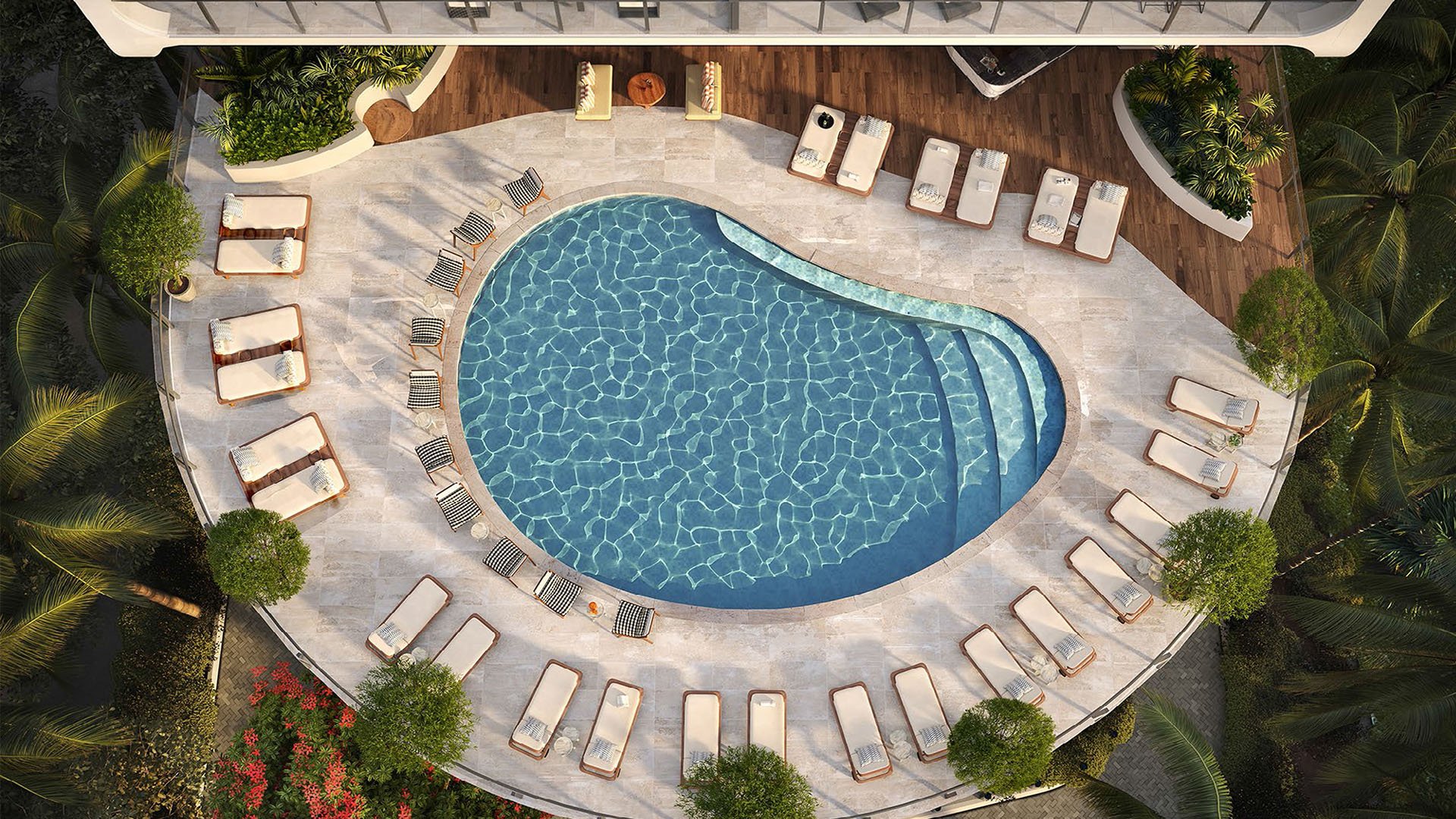
Does a Pool replace the need for beach access? No, but it can complement a beach-oriented lifestyle by offering a more private water experience on quieter days.
What does Waterview add to the ownership experience? Waterview can create a daily sense of calm and connection to the coast without requiring constant use of shared amenities.
Is Boutique living suitable for families? It can be, especially when the residence has practical storage, clear arrivals, and enough private space for daily routines.
How should buyers compare two similar Coconut Grove residences? Compare how each building handles arrivals, guests, service, peak activity, and the transition between home and coastal outings.
What is the most important takeaway for this search? Choose the residence that makes privacy and water access feel effortless, not the one that simply looks most dramatic.
When you're ready to tour or underwrite the options, connect with MILLION.
If branded residences are on your mind — as a home or as an allocation — we would be glad to share what we are seeing, privately.
Begin a quiet conversation