A ranked Coconut Grove shortlist led by Four Seasons and Mr. C, with three boutique alternatives and a buyer-focused framework for evaluating service obligations, fees and management control. Brand affiliation is documented; management-agreement transparency remains unestablished.
For a Coconut Grove buyer, branded service is most compelling when it delivers an effortless daily routine and a clearly defined financial commitment. The name at the entrance matters. So does the agreement defining who provides the service, what owners pay and what happens if the relationship changes.
Four Seasons and Mr. C lead this shortlist because their hospitality-brand affiliations are documented. Vita at Grove Isle, Arbor and Opus follow as smaller-scale alternatives, not equivalent branded-service offerings. Management-agreement transparency has not been established for any of the five. The ranking therefore sets priorities for buyer diligence; it does not certify contractual protections.
That distinction is particularly important at Four Seasons Residences Coconut Grove: the brand affiliation warrants a closer look, but the governing documents must establish which service commitments are enforceable.
1. Four Seasons Private Residences Coconut Grove - hospitality affiliation at a 70-residence scale
Planned as a 20-story, 70-residence condominium, Four Seasons Private Residences Coconut Grove ranks first for its combination of hospitality affiliation and residential scale. CMC Group and Fort Partners secured a $323.8 million construction loan from Bank OZK in January 2026. The development was under construction at that milestone, with completion targeted for 2028.
For buyers willing to consider future delivery, this is the first address to examine for brand-led residential service. Financing marks construction progress, however-not transparent management fees or owner protections. Review the proposed management and brand agreements separately from the development's funding credentials.
2. Mr. C Residences Coconut Grove, Bayshore + Tigertail - an explicit hospitality-service proposition
Mr. C ranks second, with the group's clearest stated hospitality-style service model through Terra's partnership with the Mr. C hotel company. The project comprises 231 residences across two 21-story towers. Its collaborators include Ignazio and Maggio Cipriani, Arquitectonica and Meyer Davis Studio. Delivery took place in July 2024.
The Tigertail address is 2678 Tigertail Avenue; the Bayshore tower is at 2655 South Bayshore Drive. Buyers should establish which agreements govern the particular residence and how any shared operating costs are allocated. A documented hospitality concept alone does not establish fees, service remedies or the duration of the brand relationship.
3. Vita at Grove Isle - a completed waterfront alternative
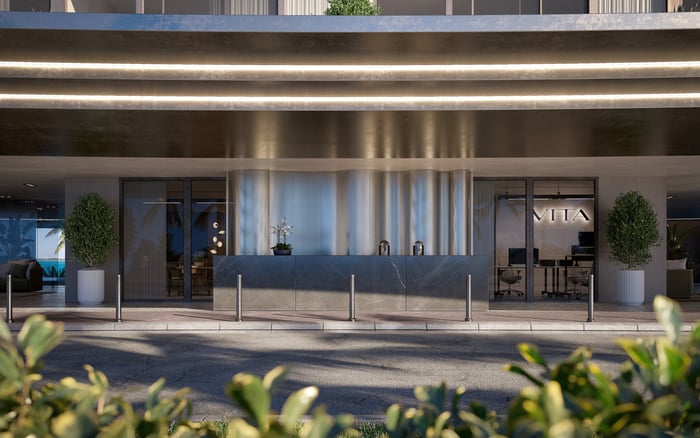
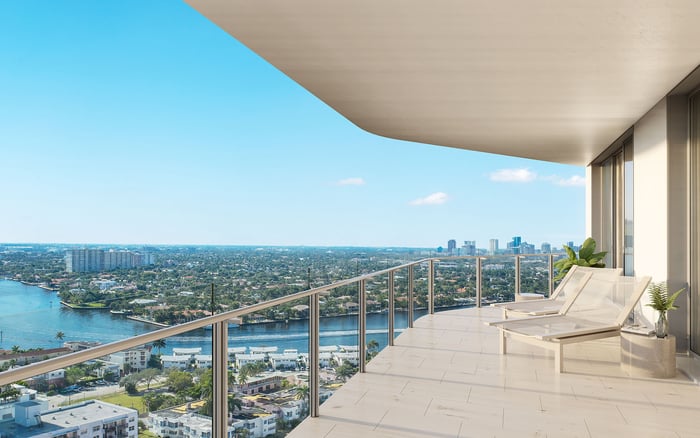
Vita at Grove Isle places third as a seven-story, 65-residence waterfront condominium at 4 Grove Isle Drive, on Coconut Grove's private Grove Isle. CMC Group, led by Ugo Colombo, completed the development in December 2025. Its appeal in this comparison rests on its waterfront setting, scale and completed status.
Vita should not be treated as a verified hospitality-branded offering. Instead, consider whether a completed residential alternative better suits your preferences. Ask to reconcile the management scope with the adopted budget, service-fee schedules and any applicable shared-facility allocations before concluding that operations will be straightforward.
4. Arbor Coconut Grove - a 45-residence boutique comparison
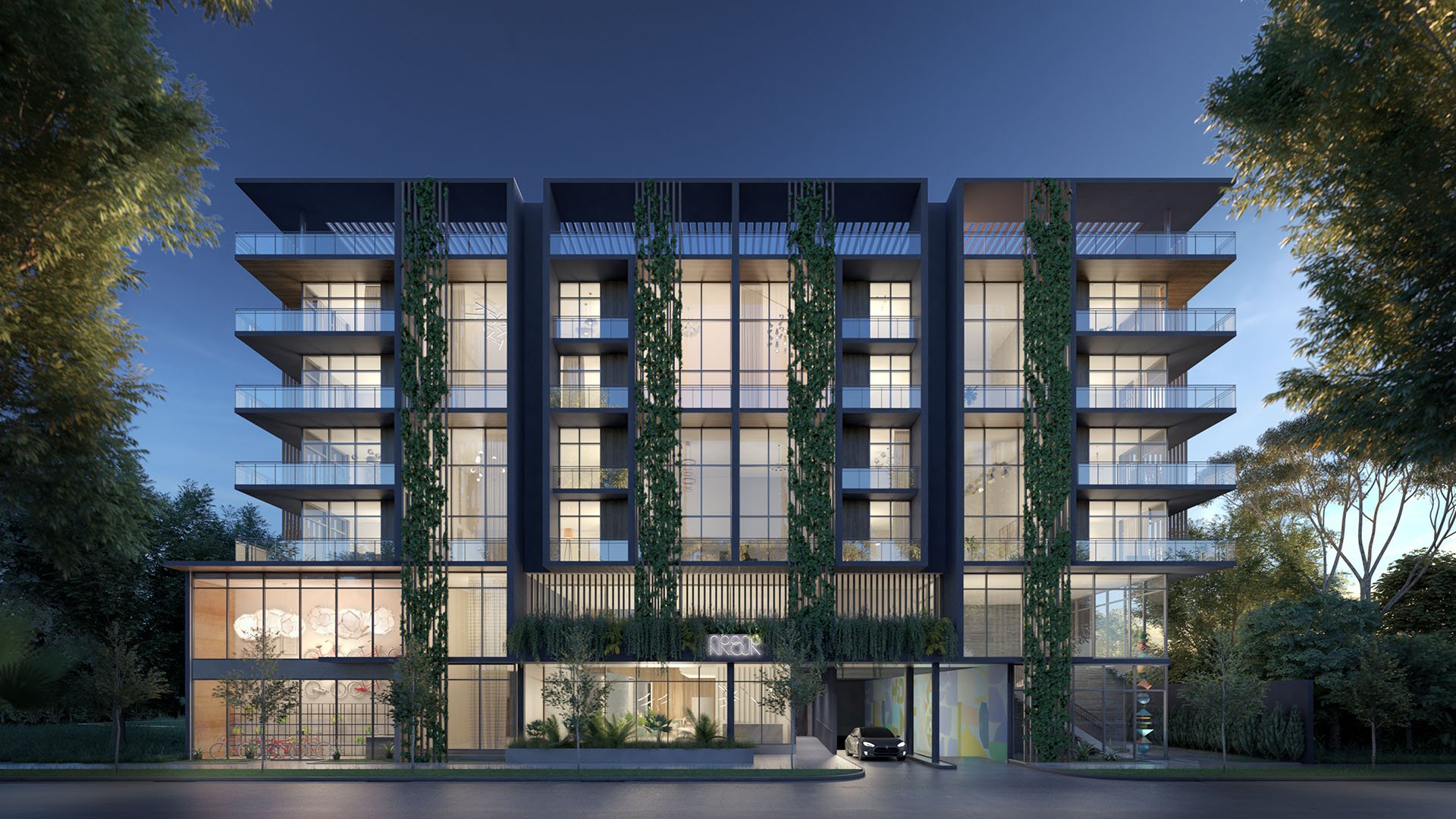
Arbor Coconut Grove comprises 45 residences across five stories at 3034 Oak Avenue, with architecture by Behar Font & Partners. It received a Temporary Certificate of Occupancy in March 2026; as of April 2026, closings were expected to begin soon. That milestone does not establish that closings subsequently occurred.
Arbor ranks fourth as a boutique alternative rather than a documented hospitality-brand offering. Its smaller unit count provides a useful comparison, not proof of lower costs, easier governance or more transparent management. Buyers should verify the current status of occupancy and closings alongside the applicable operating documents.
5. Opus Coconut Grove - a planned 14-residence alternative
Meta Development's Opus Coconut Grove is planned for 14 residences at 3127 SW 27th Avenue. In December 2025, groundbreaking was expected the following month, with first residents anticipated by summer 2027. Those were projected milestones, not confirmation of subsequent construction progress or occupancy.
Opus ranks fifth as the smallest development on this shortlist. Its limited residence count offers a different scale to consider, but establishes neither a hospitality-service model nor contractual clarity. Evaluate the proposed management scope and budget on their own terms, and obtain an updated delivery schedule before making timing-dependent commitments.
Here, new construction spans a July 2024 delivery, a December 2025 completion, a 2026 occupancy milestone and projected 2027-2028 deliveries. These represent materially different purchase contexts. Do not assume that every property offers immediate occupancy or an opportunity to assess operating performance.
For Mr. C Tigertail Coconut Grove, request current operating documents rather than relying solely on the original hospitality presentation. At Vita at Grove Isle, completed status makes current management arrangements a central diligence question; it does not establish their quality or financial condition.
For future delivery, distinguish proposed budgets and service commitments from adopted arrangements. At every stage, ask which document version governs the purchase and which terms remain subject to change.
A meaningful contract review should connect the lifestyle presentation to specific obligations. Before treating service as part of the property's value, have qualified condominium counsel examine the relevant documents together.
Management and brand agreements: Identify the contracting parties, scope of responsibility, term, renewal provisions and termination rights.
Budgets and fee schedules: Separate included services from separately charged services, and identify how charges may change.
Service obligations: Determine which commitments are enforceable, who must perform them and what remedies apply if they are not delivered.
Declarations and facility allocations: Establish which expenses belong to the condominium and how any shared costs are assigned.
Developer-control provisions: Clarify who controls management decisions during the applicable periods and what authority owners ultimately receive.
These are review priorities, not assertions that any particular provision exists at these developments. Neither developer reputation nor construction financing resolves these questions. A concise, favorable marketing description cannot substitute for the operative language.
The contrast between Arbor Coconut Grove and Opus Coconut Grove is especially useful for buyers considering boutique living: 45 residences and 14 planned residences represent different scales, but neither figure answers questions about staffing, fees or owner control.
If hospitality affiliation is non-negotiable, begin with Four Seasons and Mr. C. If residential scale or a completed waterfront setting carries greater weight, keep the alternatives in contention. In either case, make contractual clarity a condition of your decision-not an assumption attached to the address.
Explore Coconut Grove residences with MILLION to refine a shortlist around your service expectations and ownership priorities.
If branded residences are on your mind — as a home or as an allocation — we would be glad to share what we are seeing, privately.
Begin a quiet conversationFour Seasons Private Residences Coconut Grove ranks first, followed by Mr. C Residences Coconut Grove. Both have documented hospitality-brand affiliations.
No. Management-agreement transparency has not been established for any of the five, so buyers should review fees, terms, service obligations and termination rights directly.
Completion is targeted for 2028. The development was under construction at its January 2026 financing milestone.
The planned development has 70 residences across 20 stories. CMC Group and Fort Partners are the developers.
Yes. The project comprises 231 residences across two 21-story towers, with addresses at 2655 South Bayshore Drive and 2678 Tigertail Avenue.
Delivery took place in July 2024. Buyers should request current operating documents when evaluating its hospitality-style service proposition.
It is presented here as a completed waterfront alternative, not a verified hospitality-branded offering. The seven-story, 65-residence condominium was completed in December 2025.
Arbor received a Temporary Certificate of Occupancy in March 2026. An April 2026 update indicated closings would soon begin, without confirming they had begun.
The December 2025 projection anticipated first residents by summer 2027. Buyers should obtain an updated schedule rather than treating that projection as a confirmed delivery date.
Request management and brand agreements, budgets, service-fee schedules, condominium declarations, shared-facility cost allocations and developer-control provisions. Have qualified condominium counsel assess how the documents work together.