For buyers considering The Delmore Surfside, domestic-water pressure and mechanical redundancy deserve a place beside finishes and floor plans. The meaningful questions concern fixture performance, one-pump-out capacity, backup power and documented testing, not equipment counts alone.
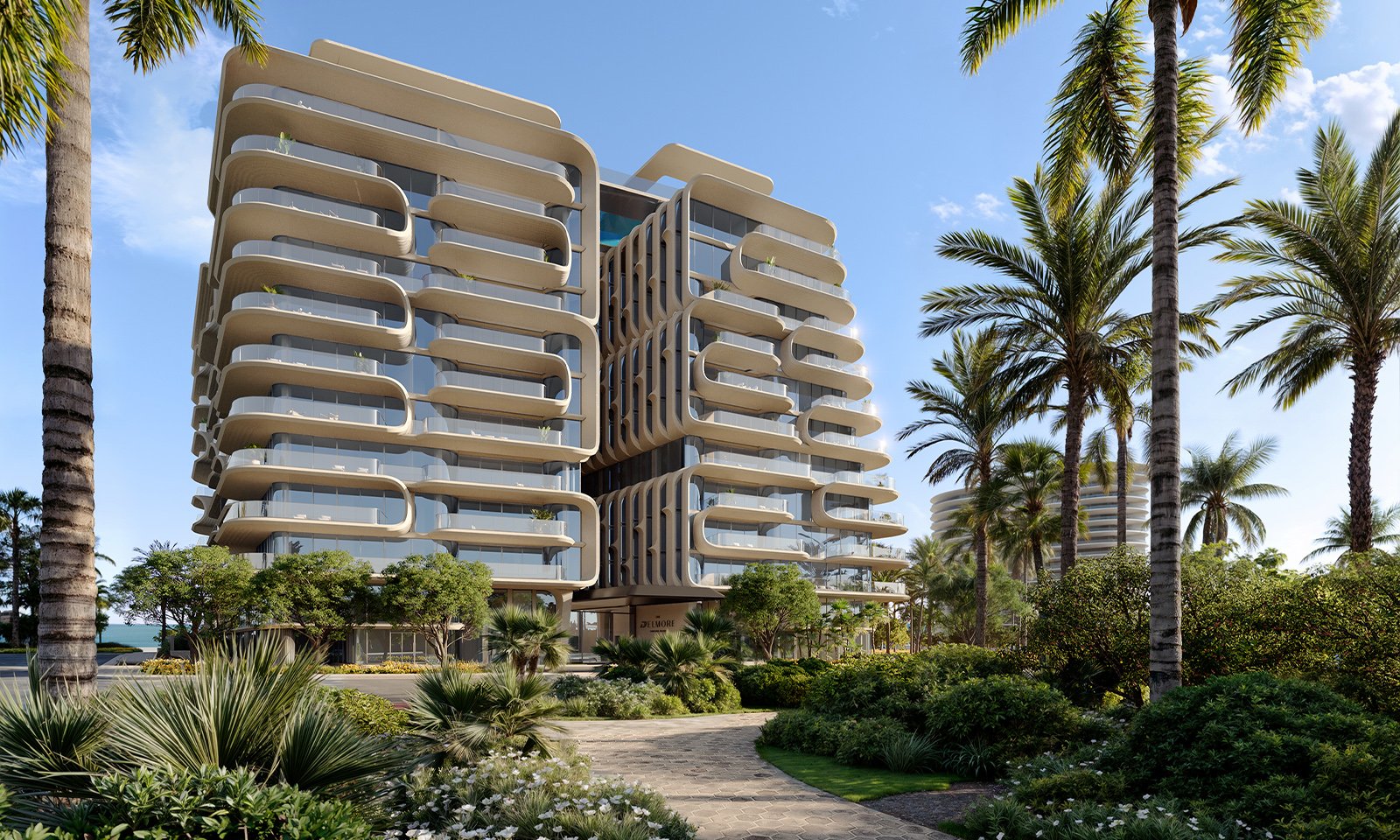
A beautifully appointed residence should feel effortless. Water pressure is part of that expectation, even if it rarely receives the attention given to stone selections or terrace proportions. For a buyer considering The Delmore Surfside, the question is not simply whether the building has booster pumps. It is what the domestic-water system is designed to deliver at the residence, under demand and with equipment unavailable.
Treat those points as matters to verify, not conclusions about this project's engineering. Pump configuration, pressure zones, generator coverage and demonstrated performance should be established through project-specific documentation. Neither exceptional redundancy nor a mechanical deficiency should be inferred from the presence or absence of a marketing description.
The distinction is straightforward: pressure control addresses everyday performance; redundancy addresses continuity when equipment is unavailable. A rigorous purchase review asks for both, without treating either as a substitute for the other.
Ask the project's design professional whether incoming supply can deliver the required flowing pressures at fixture outlets and what boosting, if any, is needed. A single incoming-pressure figure does not answer the buyer's most important question: how will the fixtures perform under demand?
Static pressure describes a condition without flow; flowing pressure describes performance while water is being delivered. For due diligence, request the designed minimum flowing pressure at the highest residences during peak demand, together with the maximum static pressure at the lowest residences. Ask the engineer to identify the criteria for the residence under consideration, rather than provide only a building-wide assurance.
The same discipline is useful when evaluating Ocean House Surfside. This is a transferable buyer question, not a claim that the two projects share equipment, pressure zones or design standards. Each answer should stand on its own engineering record.
A precise response should identify where pressure is evaluated, what demand condition is assumed and which fixture requirements govern. Without those details, “strong water pressure” says little.
Domestic distribution needs an upper limit as well as adequate delivery. Ask the design professional to confirm applicable static-pressure limits and explain where pressure-reducing devices are required. A maximum permitted pressure is not a promise of ideal shower performance.
For buyers, this creates a two-sided inquiry. How does the design preserve required flowing pressure where supply would otherwise be insufficient? And how does it control excessive static pressure elsewhere? Request the pressure-zone arrangement, if applicable, and the intended settings of the regulating devices serving the residence.
Booster protection deserves a separate question. Ask the engineer to explain the system's low-suction protection, including any cutoff setting, how controls respond and what recovery involves. A protective shutdown and uninterrupted domestic service are different outcomes; backup discussions should account for that distinction.
Variable-frequency-drive booster systems adjust pump speed to changing demand. This can help maintain stable pressure while reducing energy consumption and mechanical stress. It is a valuable control function, but it does not by itself establish backup capacity.
Parallel pumps with lead/lag sequencing can provide automatic load sharing or backup. The decisive question is whether the remaining equipment can meet design demand with one pump unavailable. Multiple installed pumps alone do not establish N+1 capacity.
Ask for the pump schedule and control sequence, then have the engineer explain the one-pump-out operating condition. Does the remaining capacity meet the stated design demand? Is changeover automatic? Do shared controls or power connections introduce a common failure point? These are requests for evidence, not assumptions about a particular installation.
For someone also considering Rivage Bal Harbour, these questions provide a consistent comparison framework. Compare documented operating conditions rather than rank projects by pump count or the vocabulary used to describe resilience.
The statement that a building has a generator does not establish domestic-water backup coverage. Request the generator load schedule and confirmation of which domestic booster pumps, drives and associated controls are included. Ask what level of domestic-water service the proposed arrangement is intended to support during a power interruption.
The review should connect the electrical scope to the stated water-delivery performance. If the description says a pump has backup power, ask whether the controls needed to operate it are covered as well. If only part of the pumping capacity is supported, request the corresponding service criteria rather than assume normal-demand performance.
These questions also belong in a Miami Beach purchase review, including consideration of The Perigon Miami Beach. The comparison concerns the quality of the evidence supplied, not an assertion that any named project has a particular generator arrangement.
Fire standpipes and domestic plumbing have separate pressure requirements. A fire-system pressure figure does not establish shower performance, and fire-protection backup provisions do not establish domestic-water coverage.
Ask the project's design professional to distinguish the applicable requirements and testing records for each system. Requirements discussed for another South Florida jurisdiction should not be assumed to govern a Surfside project. The buyer principle is narrower: specified settings and demonstrated performance are not interchangeable.
A focused document request should include domestic-water design criteria, pump schedules, pressure-zone and control diagrams, generator load schedules and commissioning records appropriate to the project's stage. Ask for maintenance arrangements and available service history as well, without assuming that an operating history already exists.
Have the reviewing engineer connect those documents to three conditions: normal peak demand, one pump unavailable and loss of normal power. Where testing is proposed rather than completed, distinguish intended acceptance criteria from demonstrated results.
For The Delmore Surfside, the goal is an informed understanding of the residence's service expectations, not a speculative verdict on its systems. Finishes can be appreciated on sight. Mechanical confidence should rest on clear design commitments, applicable requirements and evidence of performance.
For a considered approach to South Florida residential due diligence, explore MILLION.
If branded residences are on your mind — as a home or as an allocation — we would be glad to share what we are seeing, privately.
Begin a quiet conversationNo. The article identifies questions for project-specific verification and does not conclude that The Delmore has either exceptional redundancy or mechanical deficiencies.
Ask the project's design professional whether incoming supply can meet required flowing pressures at fixture outlets. Request the applicable criteria and the design response to any shortfall.
Request minimum designed flowing pressure at the highest residences during peak demand and maximum static pressure at the lowest residences. Also ask for the criteria serving the specific residence being considered.
No. Ask the design professional to distinguish applicable static-pressure limits from the flowing-pressure criteria for the residence's fixtures.
It adjusts pump speed to demand, which can help stabilize pressure while reducing energy consumption and mechanical stress. It does not independently establish backup capacity.
No. Ask whether the system can meet design demand with one pump unavailable and whether shared controls or power introduce common failure points.
Ask the engineer to explain any protective cutoff setting, the control response and the recovery process. Confirm how a protective shutdown would affect domestic-water service.
No. Confirm which domestic pumps, drives and controls receive backup power and what service level that arrangement is designed to support.
No. Fire standpipes have separate requirements, and their pressure figures do not establish domestic fixture performance or domestic-water backup coverage.
Request domestic-water design criteria, pump schedules, control and pressure-zone diagrams, generator load schedules and commissioning records appropriate to the project's stage. Distinguish proposed testing from completed performance verification.