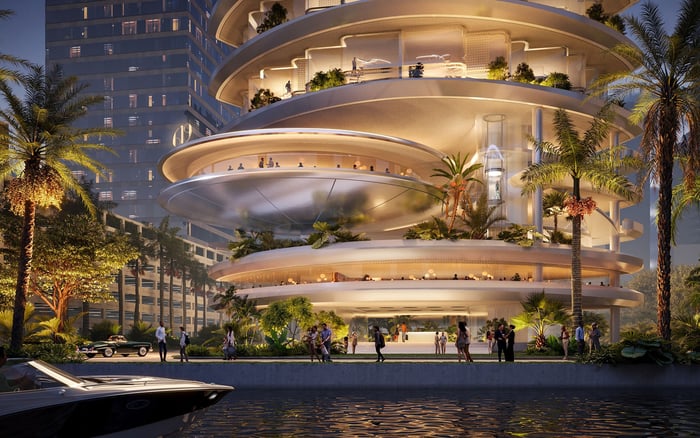
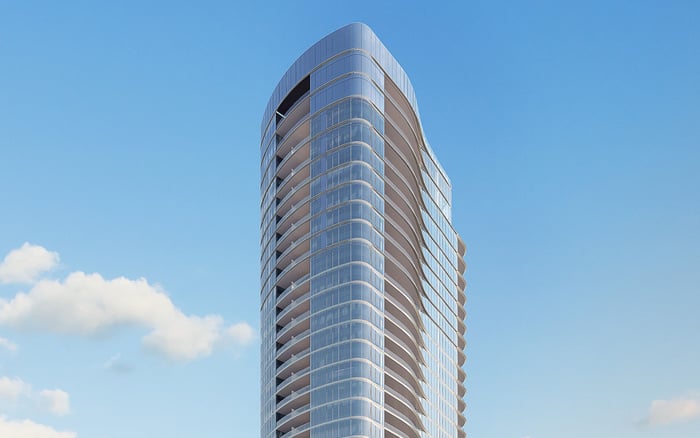
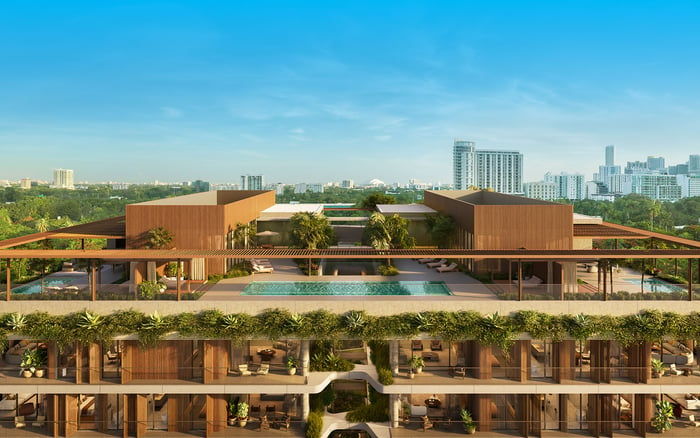
A discreet buyer’s guide to selecting Brickell residences where sauna access, wellness flow, privacy, and calm daily use matter more than spectacle.
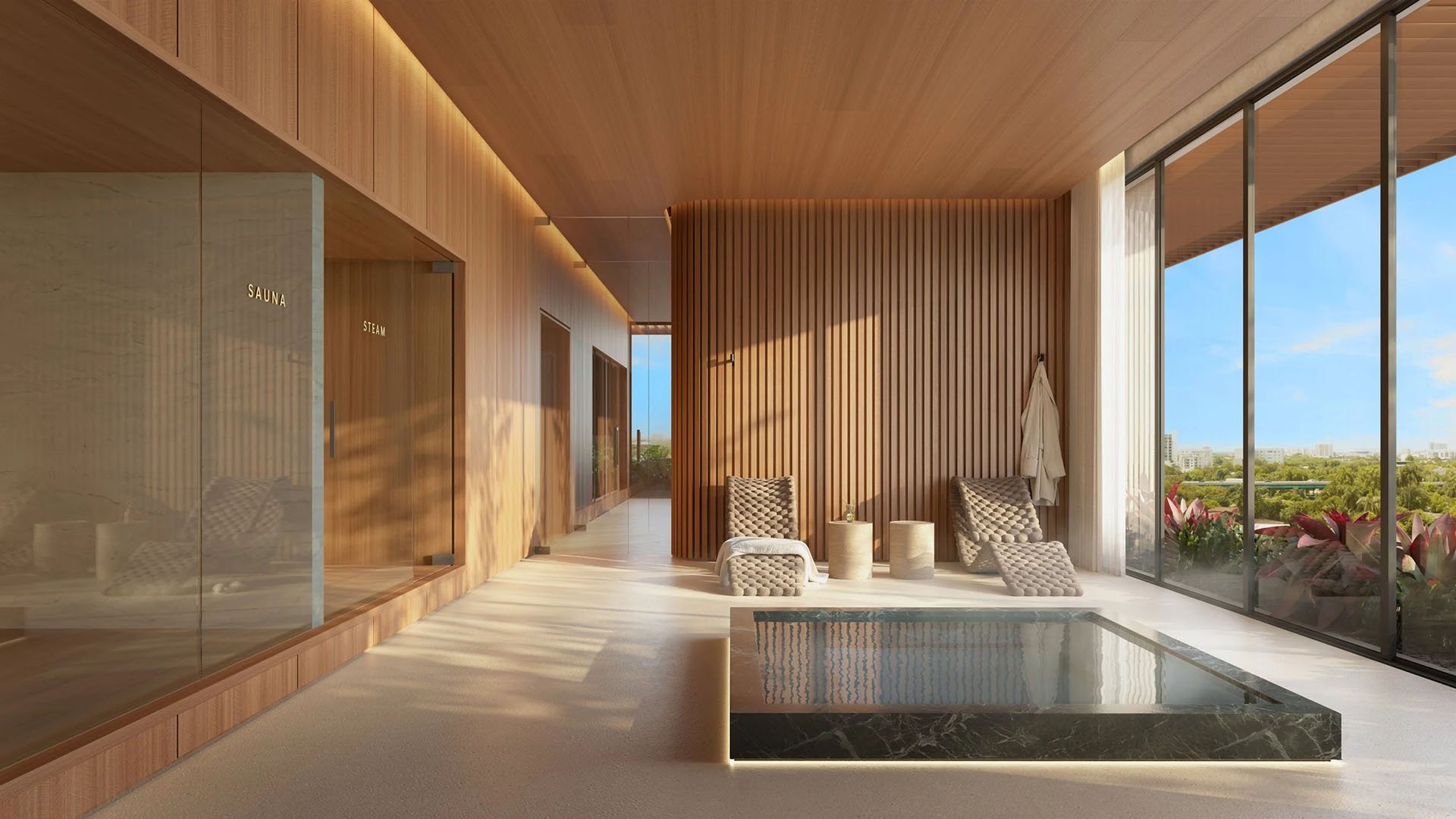
For a certain Brickell buyer, a sauna is not an occasional amenity. It is part of a daily rhythm, folded into training, travel recovery, sleep hygiene, and the quiet maintenance of a demanding life. The question is no longer whether a building includes a wellness component. The question is whether that wellness component can be used without friction, crowding, noise, or the feeling of entering a shared social club when the real goal is restoration.
That distinction matters in Brickell, where residential towers can be visually impressive yet operationally very different. A handsome spa level may photograph beautifully, but the real test is more private: weekday mornings, post-work hours, rainy Sundays, and the moments after long flights when sauna access should feel effortless.
The best fit is rarely defined by the largest amenity menu. It is defined by circulation, density, reservation culture, elevator flow, changing-room comfort, and whether the wellness area feels like an extension of the home rather than a destination to negotiate.
1. Boutique-scale residence - privacy-first wellness
A boutique-scale Brickell residence is often the most intuitive choice for buyers who value sauna access without crowds. Fewer homes can create a calmer rhythm in shared spaces, especially when the wellness area is designed for residents rather than as a theatrical showcase.
The ideal version has a spa or recovery zone positioned away from high-traffic social amenities. Buyers should look for a layout where the sauna, steam, treatment rooms, and changing areas feel self-contained, with direct, dignified access rather than a route through lounges or party spaces.
2. Full-service tower residence - managed wellness access
A full-service tower can work beautifully when operations are disciplined. The key is not simply whether the building offers wellness amenities, but whether use is managed in a way that protects privacy. Reservation systems, staff oversight, and clear guest policies can make a large building feel composed.
This profile suits buyers who want the support of a more complete residential ecosystem while still expecting the sauna to be available when needed. The most compelling examples separate wellness from the busiest leisure zones, allowing residents to move from home to recovery without entering the center of the building’s social life.
3. Larger-plan residence with private decompression space - in-home wellness support
For buyers who dislike shared amenity traffic, the residence itself becomes part of the wellness program. A larger floor plan can support stretching, massage, meditation, cold plunge planning where permitted, or simply a quiet transition after using the building sauna.
This is where a Terrace becomes more than an outdoor feature. Properly scaled and well positioned, it offers fresh air, privacy, and a buffer between Brickell’s intensity and the body’s need to reset. The sauna may be shared, but the recovery experience can be made personal.
4. Waterfront or skyline-view residence - calm as a design asset
A Waterview or elevated skyline outlook can change the emotional tone of a wellness routine. After heat therapy, returning to a quiet home with open views, controlled light, and a sense of distance from the street can be more valuable than another amenity on paper.
For this buyer, the residence should be assessed as a sequence: elevator arrival, entry, primary suite, bath, terrace or view corridor, and the path to wellness. The most successful Brickell homes reduce mental noise as much as physical inconvenience.
5. New-generation residence - future-oriented wellness planning
New-construction residences can appeal to buyers who want wellness considered from the beginning rather than added as a secondary layer. Contemporary planning may place greater emphasis on fitness, recovery, air, light, and the choreography of shared spaces.
The buyer should still be selective. A long list of amenities does not guarantee quiet use. What matters is whether the building’s wellness areas are proportionate to the number of residences, whether the sauna is treated as a serious daily facility, and whether operations support residents who use it regularly rather than ceremonially.
Crowding is not only a headcount. It is also a feeling. A sauna that fits several people may still feel crowded if access is awkward, if the changing area is exposed, or if the route passes through a lively Pool deck at peak hours. Conversely, a compact wellness suite can feel serene if the building has disciplined management and a resident base with varied schedules.
For Brickell buyers, the practical questions should be direct. How many residences share the wellness area? Are guests permitted, and under what limits? Is access walk-in, reserved, or hybrid? Are peak hours predictable? Is the sauna near the gym, spa, pool, or locker rooms, and does that adjacency create convenience or congestion?
The answers shape daily use more than renderings ever can. A buyer who uses a sauna four times a week should treat these questions with the same seriousness as parking, elevator count, or exposure.
A wellness-minded buyer should resist evaluating the sauna in isolation. The better question is how the entire home supports a recovery-led lifestyle. A quiet primary suite, a bath with generous storage, a room that can function as a gym or treatment space, and an outdoor area with shade can all reduce dependence on shared facilities.
This is especially relevant in Brickell, where the day can move quickly from boardroom to restaurant to flight. A residence that allows the owner to step out of that tempo is a meaningful luxury. If the building sauna is calm, that is excellent. If the home itself continues the experience, the value is deeper.
Buyers should also define language carefully at the start of a search. Pool, Terrace, Waterview, New-construction, and Investment each mean different things depending on the building and the individual owner’s priorities. A wellness-led search benefits from clarity before tours begin.
The strongest tours happen at the hours when the buyer will actually use the amenity. A midday visit may be serene, while early evening may reveal a very different pattern. Buyers should ask to see the wellness area, changing rooms, access points, and adjacent spaces in one continuous walk.
Pay attention to sound, scent, lighting, privacy, and the pace of movement. A true luxury wellness environment should not feel like a corridor to somewhere else. It should feel settled. The details are subtle, but the body recognizes them quickly.
It is also wise to consider household patterns. A single owner, a couple with frequent travel, and a family with guests may use wellness areas differently. The right Brickell residence is the one whose operations align with those habits without requiring constant planning.
Quiet luxury in wellness is not about hiding amenities. It is about removing resistance. The sauna is available, the route is intuitive, the staff understands discretion, and the residence offers a calm return. Nothing feels improvised.
In that sense, the most desirable Brickell wellness residences are not necessarily the loudest entrants in the skyline. They are the ones that let owners preserve energy, time, and privacy. For buyers who use wellness as a serious part of life, that calm can become the defining feature of home.
What should Brickell buyers ask about sauna access first? Ask how access is managed, how many residences share the facility, and whether guests are allowed during peak periods.
Is a larger wellness amenity always better? Not necessarily. A smaller, well-managed wellness area can feel more private than a large amenity deck with heavy traffic.
Why does building density matter for sauna users? Density can affect wait times, changing-room comfort, elevator flow, and the overall calm of the wellness experience.
Should buyers tour the sauna area during peak hours? Yes. Touring when you would actually use the amenity gives the clearest sense of crowding and atmosphere.
Can a private Terrace improve a wellness lifestyle? Yes. Outdoor space can support decompression after sauna use and reduce reliance on shared amenity areas.
Does a Waterview matter for wellness buyers? It can. Calm views may enhance the recovery experience when returning home from shared wellness spaces.
Are New-construction residences better for wellness? They may be, but buyers should still examine layout, operations, and the proportion of amenities to residences.
How important is the Pool location near a sauna? Very important. Convenient adjacency can be helpful, but heavy pool traffic can reduce privacy and calm.
Is sauna access an Investment consideration? For some buyers, yes. Wellness amenities can influence appeal, but usability and privacy are the key differentiators.
What defines the best Brickell residence for wellness without crowds? It is the residence where sauna access, building operations, and the private home environment work together seamlessly.
To compare the best-fit options with clarity, connect with MILLION.
If branded residences are on your mind — as a home or as an allocation — we would be glad to share what we are seeing, privately.
Begin a quiet conversation