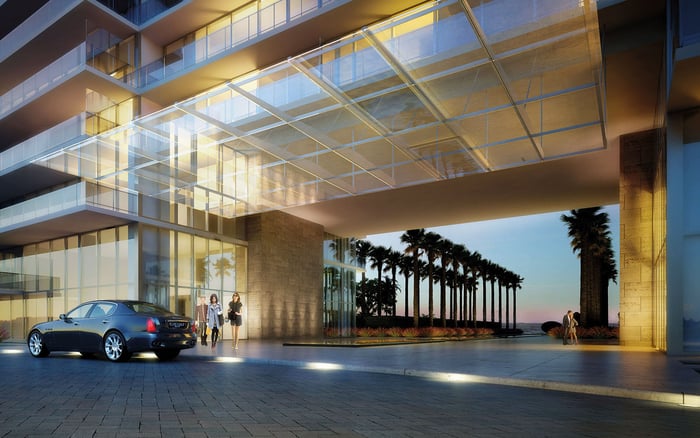
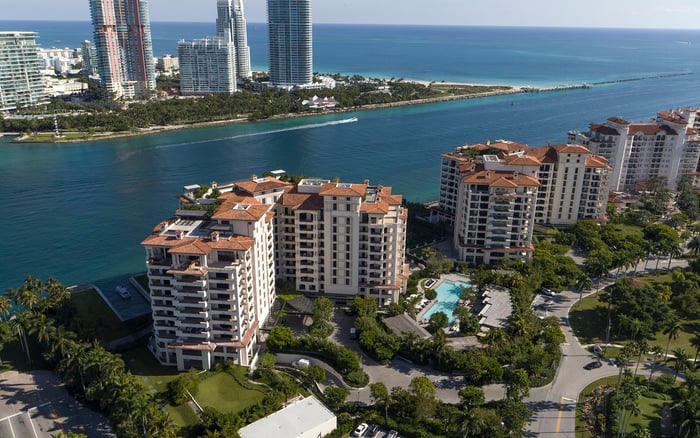
A private-client review of Six Fisher Island and 301 Ocean Drive, focused on the distinction between advertised ownership costs and documented reserve, insurance, and assessment protection.
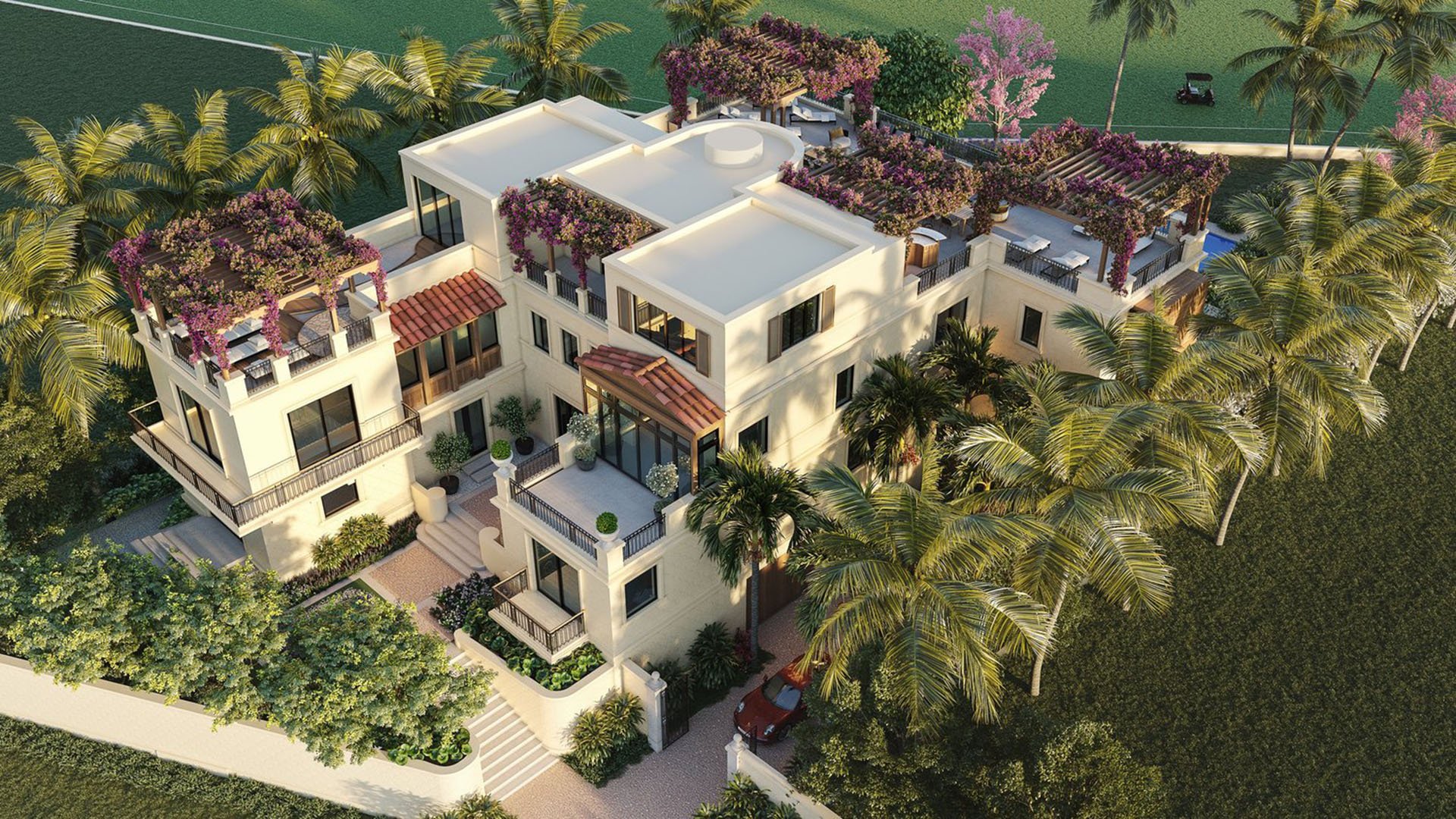
For a private client considering Fisher Island or Key Biscayne, the most consequential luxury may be clarity: what ownership costs, how capital obligations are funded, and which risks remain with the owner. An oceanfront address can satisfy the lifestyle brief while leaving the financial brief unresolved. Reserve strength, insurance transparency, and assessment exposure warrant a review separate from architecture, finishes, and amenities.
Six Fisher Island and 301 Ocean Drive offer distinct starting points for that conversation. Neither should be presented as having demonstrated superior reserves, more protective insurance, or immunity from surprise assessments. The distinction is between a promising candidate and a documented recommendation. A residence count or advertised HOA figure frames the inquiry; it does not settle it.
1. Six Fisher Island: Fisher Island, Miami
Six Fisher Island is listed with 50 residences and an indicative HOA expense of $3.50 per square foot. That figure is not a verified association budget. It belongs in an initial ownership-cost discussion, not a final conclusion about reserve adequacy, insurance protection, or the likelihood of future assessments.
The priority is to obtain the proposed budget and establish the basis, period, and inclusions behind the quoted expense. Reserve contributions and insurance costs should be distinguishable from operating expenses. Without that separation, the headline figure cannot establish whether the association is preparing adequately for future capital needs.
2. 301 Ocean Drive: Key Biscayne oceanfront
301 Ocean Drive is marketed as a new oceanfront condominium with 56 residences and an advertised fall 2026 launch. A launch is not a construction-completion or occupancy date. Its active-development status and delivery expectations should be confirmed through permits, condominium filings, recorded documents, and current construction evidence.
Its investment marketing describes “fully funded reserves,” current-code compliance, and “no deferred-maintenance overhang.” These representations require independent documentation; they are not established financial or engineering findings. The advertised $1.50-$2.50 per-square-foot monthly HOA range describes comparable new oceanfront Miami condominiums, not a confirmed assessment for this project.
For clients considering The Residences at Six Fisher Island, the useful question is not whether $3.50 per square foot sounds high or low. It is what that amount purchases, which assumptions support it, and how those assumptions might change. The quoted figure establishes neither the billing period nor a final association obligation.
Request an itemized budget, the proposed reserve contribution, and a funding schedule tied to the property's anticipated capital requirements. Have advisers separate recurring operations from reserves and identify assumptions that require further confirmation. A polished budget presentation matters less than a clear connection between projected expenses and the obligations owners will assume.
The same discipline applies if a client's search also includes Palazzo della Luna. Its inclusion in a broader conversation should not imply equivalent development status or comparable financial protection. Each property's documents must stand on their own; an island address is no substitute for association-level evidence.
301 Ocean Drive's advertised fall 2026 launch should remain precisely that in the client brief. Do not convert it into a delivery promise, an occupancy expectation, or confirmation of a particular construction milestone. Conflicting public descriptions of Key Biscayne's development activity make documentary confirmation of status particularly important.
The reserve language warrants equal care. “Fully funded” should prompt questions about the underlying study, covered components, opening balances, contribution schedule, and assumptions. The phrase alone does not demonstrate that all future obligations have been anticipated or that future assessments are contractually constrained.
If the search also extends to Oceana Key Biscayne, request a separate financial and insurance file rather than carrying over conclusions from new-development marketing. This is a due-diligence comparison, not an assertion that the properties share the same financial position or development status. The objective is a consistent standard of disclosure across the client's alternatives.
A claim of no deferred-maintenance overhang addresses a different question from reserve sufficiency. One concerns the advertised absence of accumulated repair obligations; the other concerns funding for future needs. Neither, on its own, establishes a limit on owner exposure.
For 301 Ocean Drive, request independent engineering support for current-code compliance and examine the warranties alongside the reserve materials. Ask which obligations the warranties address, which costs fall outside them, and how those remaining costs are reflected in the budget. These answers require professional review, not assumptions drawn from the sales narrative.
The briefing should distinguish documented commitments, proposed arrangements, and promotional descriptions. Those distinctions make clear which protections are established and which require confirmation before a recommendation.
The comparable-building HOA range advertised by 301 Ocean Drive includes amenities, staffing, insurance, and reserves. It does not establish policy limits, deductibles, exclusions, or carrier details for the project. An insurance line in a budget is a cost estimate, not a description of the protection purchased.
Request the insurance declarations and catastrophe deductibles, then have an insurance adviser explain the limits and exclusions in plain language. The client should understand what the association expects to insure and what the owner may need to address separately. Ask how potential deductible obligations would be funded; do not assume reserves or routine dues would absorb them.
Do not compare Six Fisher Island's indicative expense directly with the comparable-building monthly range used in 301 Ocean Drive's marketing. The figures rest on different evidence and do not establish a like-for-like cost comparison.
Before recommending either candidate, assemble the proposed budget, reserve study and funding schedule, insurance declarations, engineering materials, warranties, and assessment disclosures. Have the client's legal, engineering, and insurance advisers identify unresolved obligations and distinguish binding protections from estimates.
Limited exposure to surprise assessments is a diligence objective, not an advertised certainty. A useful private-client brief sets out the known obligations, remaining uncertainties, and documents needed to narrow them. That is the standard for judging ownership predictability alongside the appeal of the residence itself.
For a discreet discussion of your residence search and ownership priorities, connect with MILLION.
If branded residences are on your mind — as a home or as an allocation — we would be glad to share what we are seeing, privately.
Begin a quiet conversationNo. It identifies priorities for review, not verified differences in reserve strength, insurance protection, or assessment exposure.
Six Fisher Island is listed with 50 residences. That count does not establish its financial protections.
It is indicative, not a verified association budget. Its billing period, inclusions, and underlying assumptions require confirmation.
301 Ocean Drive is marketed with 56 residences. Its project status and financial arrangements require separate review.
No. An advertised launch does not establish construction completion or occupancy timing.
No independent reserve finding is established here. The phrase is a marketing representation that should be tested against reserve documentation and funding schedules.
No. It describes comparable new oceanfront Miami condominiums, not a confirmed project-specific assessment.
No. Policy limits, catastrophe deductibles, exclusions, and carrier details require separate examination.
No. The marketing phrase does not document a contractual limit on future assessments or establish reserve adequacy.
Request the proposed budget, reserve study and funding schedule, insurance declarations, engineering materials, warranties, and assessment disclosures. For 301 Ocean Drive, also confirm development status through permits, filings, recorded documents, and current construction evidence.