A collector-focused look at Fisher Island and Key Biscayne development and resale choices, pairing architectural pedigree and documented amenities with essential questions about water pressure, backup power, and collection protection.
For a collector, an island residence is both a personal retreat and a setting for objects that require careful stewardship. Architecture sets the atmosphere. Parking, wine storage, water delivery, and outage planning warrant equal attention before an acquisition proceeds.
In Fisher Island and Key Biscayne, the choices span waterfront development and completed condominiums. The distinction matters: a planned building calls for scrutiny of specifications and delivery commitments; an operating property calls for maintenance records and demonstrated performance. Neither architectural pedigree nor an amenity description establishes water-system resilience.
The design appeal of The Residences at Six Fisher Island makes it a natural starting point. The collector's brief, however, should extend beyond finishes to the systems serving the residence, garage, and any dedicated storage.
1. The Residences at Six Fisher Island: Fisher Island new development
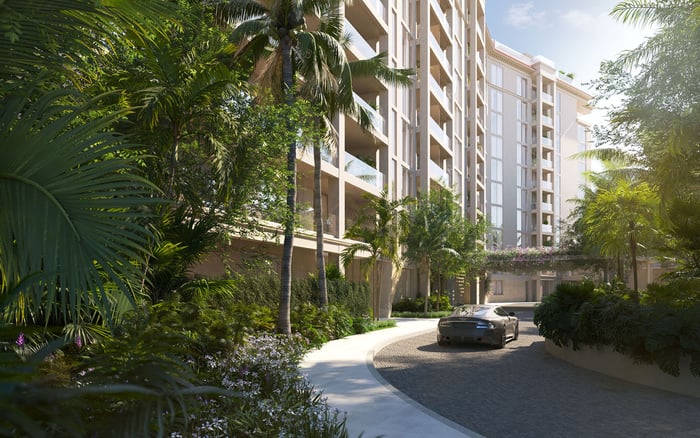
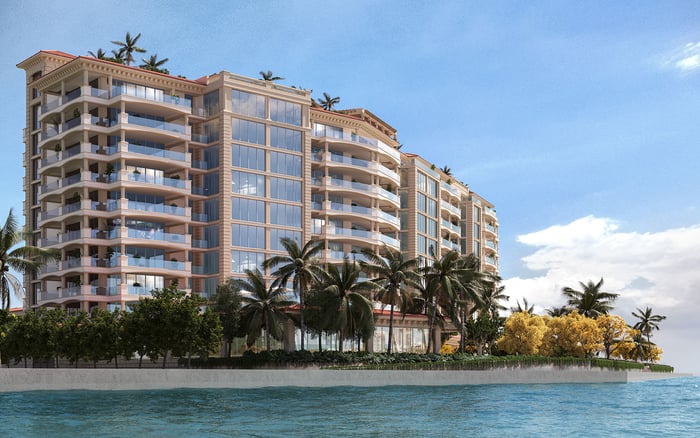
This waterfront new development pairs Kobi Karp architecture with interiors by Tara Bernerd & Partners. For buyers who prioritize design authorship, that combination offers a clear reason to begin here. Its ranking reflects development relevance and design-not an established advantage in pump redundancy or collection storage.
Before selecting an upper-floor residence, request the proposed pressure-zone arrangement, booster-pump schedules, and commissioning requirements. Evaluate car and wine accommodations separately rather than inferring them from the project's luxury positioning.
2. 301 Ocean Drive: Key Biscayne oceanfront development
The planned condominium from Terra Group and Fortune International Group is marketed as 56 residences on approximately 3.8 oceanfront acres. Touzet Studio is the architect, with landscaping by Raymond Jungles. Private sales were expected to launch in fall 2026; that expectation does not confirm that sales have opened.
Approved plans include 221 subterranean parking spaces. For car collectors, that is a useful capacity figure, not evidence of collector-grade storage. Confirm allocation, enclosure, climate control, charging permissions, flood protection, garage dewatering, and vehicle-lift rules before assigning collection value to the parking provision.
3. Palazzo Della Luna: Fisher Island wine-storage alternative
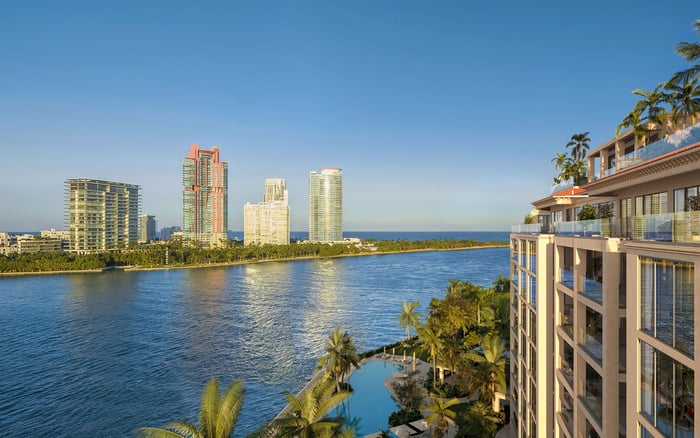
Completed in 2019, Palazzo Della Luna belongs in an existing-building search, not an active-construction category. Its Kobi Karp design and private wine storage make it particularly relevant to a wine collector's shortlist. Marketed views include Biscayne Bay, Government Cut, and South Pointe Park.
The wine amenity is a starting point for diligence, not a complete preservation specification. Establish whether storage is allocated to the residence being purchased, how access is controlled, and which environmental systems remain operational during an outage. Distinguish the amenity's existence from its documented operating performance.
4. Oceana Key Biscayne: Operating-condominium alternative
Oceana Key Biscayne is completed and operating, with sale and rental opportunities rather than a new-development launch. It suits buyers who prefer an existing property to development-stage delivery, without implying current availability of a particular residence.
For a collector, the next step is an operational review: request pressure testing, pump-service records, transfer-test records, and storage rules relevant to the contemplated purchase. Completed status is neither a verified resilience rating nor confirmation of specialized car or wine facilities.
Six Fisher Island and 301 Ocean Drive offer distinct design propositions, with named teams spanning architecture, interiors, or landscape. Consider those disciplines alongside the intended collection: where objects will live, who will service them, and which environmental conditions must be maintained.
Keep aesthetic and engineering reviews separate. A named designer is no substitute for a water-pressure schedule, and a parking count does not establish collection protection. Turn each desired feature into an explicit question requiring written confirmation, rather than allowing an attractive presentation to answer it implicitly.
Ask for static and residual pressure measurements by floor, focusing on the exact residence under consideration. Request the testing conditions as well as the results so the review addresses water delivery during use, rather than relying on a single reading.
Have a qualified engineer examine booster-pump schedules, pressure-reducing-valve locations, standby capacity, and commissioning results. The buyer's question is specific: what service is intended to remain available when a pump is unavailable, and what documentation supports that answer?
For development purchases, distinguish proposed equipment from installed and commissioned systems. For completed properties, request maintenance and test records alongside the equipment schedule. Do not declare one building superior until the same questions have been answered for each candidate.
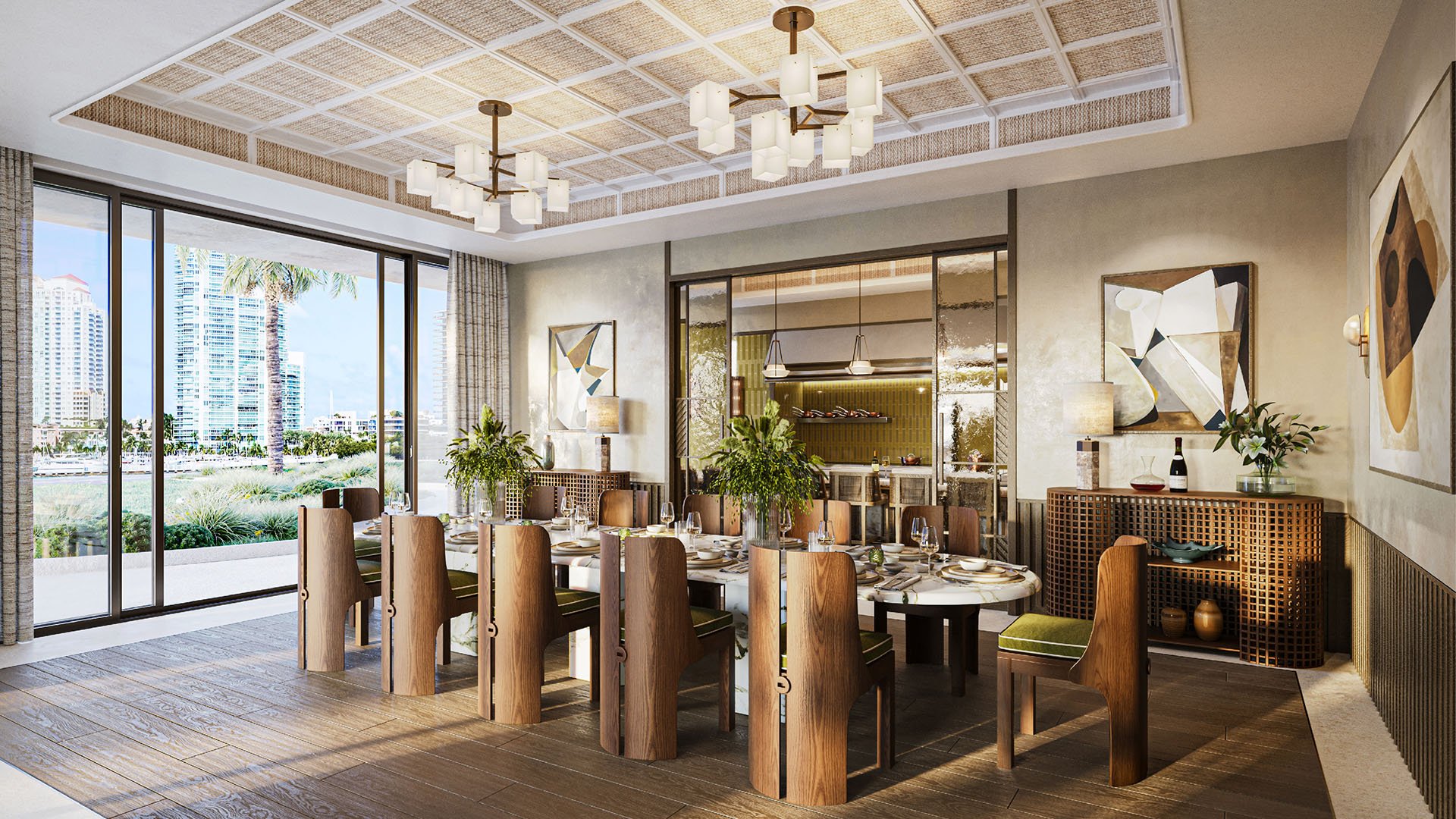
The private wine storage at Palazzo della Luna gives buyers a defined amenity to investigate. Verify temperature and humidity controls, private versus shared allocation, backup power, insurance responsibilities, and exposure to flooding. Confirm that the operating arrangements apply to the space accompanying the intended purchase.
For cars, be equally specific. At 301 Ocean Drive, 221 planned subterranean spaces do not establish whether a buyer can secure enclosed parking or install a lift. Obtain written answers about permitted uses, charging, climate control, flood protection, and dewatering before treating a space as suitable collection storage.
A useful acquisition schedule separates what exists, what is promised, and what requires permission. Apply that discipline to both buildings and individual residences.
An operating option such as Oceana Key Biscayne calls for a records-based review. Request generator load studies, fuel-autonomy calculations, transfer-test records, and outage logs. Then identify precisely which pumps, elevators, refrigeration equipment, and access systems are covered.
Do not accept a general statement about backup power as confirmation that collection-related equipment is included. Ask management to distinguish common-area coverage from systems serving private spaces and to explain the restoration sequence after an interruption.
For a development purchase, seek the corresponding design commitments and testing requirements. For resale, seek evidence of actual maintenance and operation. The objective is not a reassuring equipment list, but a clear account of what remains usable-and who is responsible-when normal service stops.
The right residence should satisfy both the eye and the acquisition brief. Let design establish the shortlist, then let documented systems, storage rights, and operating responsibilities inform the final choice.
Explore Fisher Island and Key Biscayne residences with MILLION.
If branded residences are on your mind — as a home or as an allocation — we would be glad to share what we are seeing, privately.
Begin a quiet conversationNo. Six Fisher Island is marketed as a new development and 301 Ocean Drive is planned, while Palazzo Della Luna and Oceana Key Biscayne are completed alternatives.
Its named design team includes Kobi Karp for architecture and Tara Bernerd & Partners for interiors.
Terra Group and Fortune International Group plan an oceanfront condominium marketed as 56 residences on approximately 3.8 acres, with Touzet Studio architecture and Raymond Jungles landscaping.
The announced expectation was a fall 2026 private-sales launch. That timing alone does not confirm that sales have opened.
No. The 221 planned subterranean spaces establish capacity, not climate control, enclosure, flood protection, charging permissions, or vehicle-lift rights.
Palazzo Della Luna identifies private wine storage. Buyers should verify allocation, environmental controls, backup power, insurance, and flood exposure.
Palazzo Della Luna was completed in 2019, making it an existing-building acquisition option rather than an active construction project.
Request static and residual pressure measurements by floor, testing conditions, booster-pump schedules, pressure-reducing-valve locations, standby capacity, and commissioning results.
Request generator load studies, fuel-autonomy calculations, transfer-test records, and outage logs. Confirm which pumps, elevators, refrigeration equipment, and access systems remain operational.
No comparative resilience winner is established here. Evaluate each candidate through building-specific engineering documents, testing, and operating records rather than design pedigree or amenity descriptions.