The Bristol’s wellness amenities offer a compelling setting, but a purchase decision should distinguish physical facilities from operating rules. A buyer-focused framework for confirming fitness access, trainer approval, and residence-specific acoustic performance.
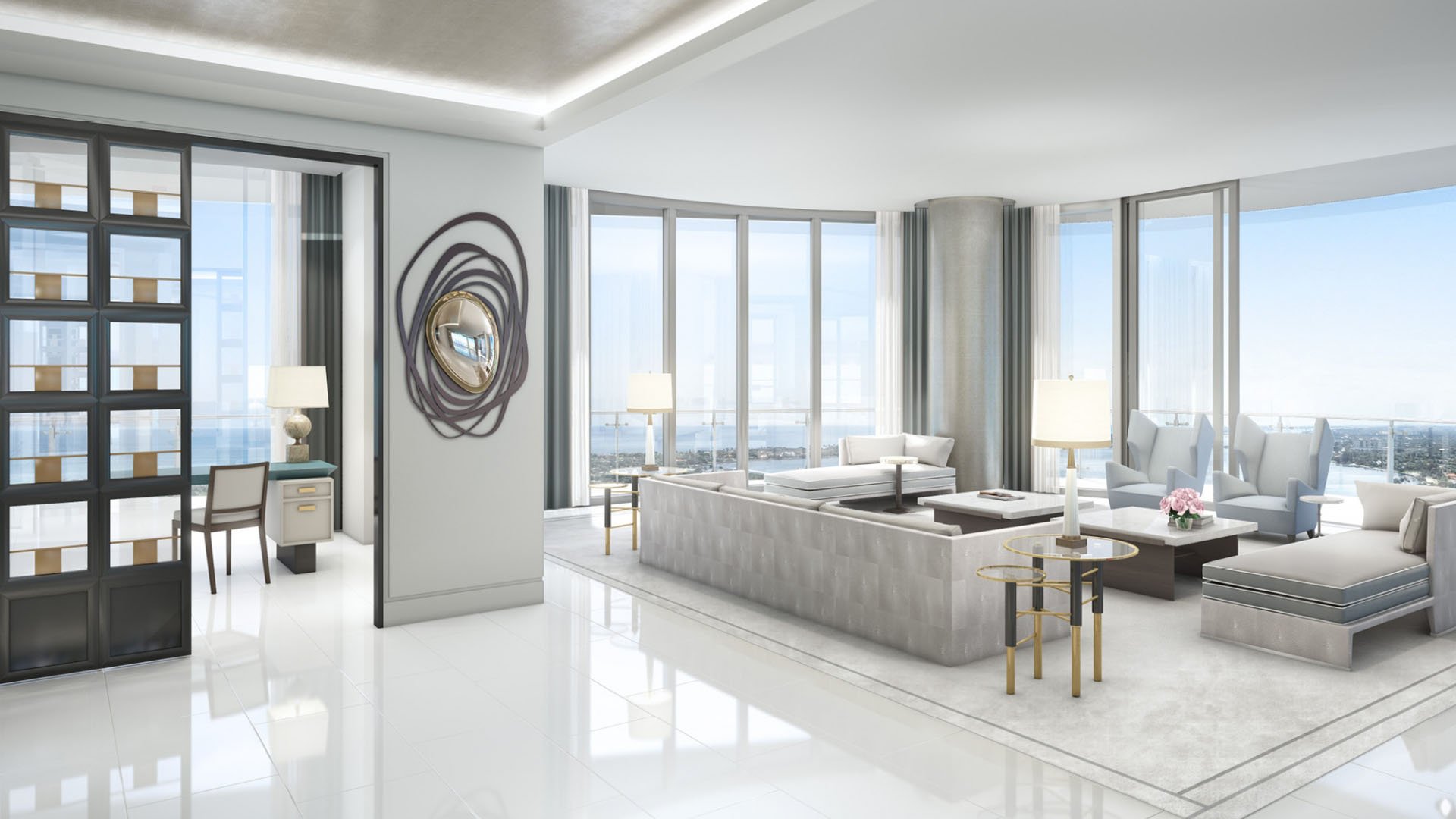
At The Bristol Palm Beach, the wellness proposition begins with an appealing physical setting: a two-story fitness center, extensive glazing, dedicated training space, and an outdoor deck. For a buyer whose schedule depends on uninterrupted exercise and quiet recovery, the decisive questions concern how those spaces function-not simply how they look.
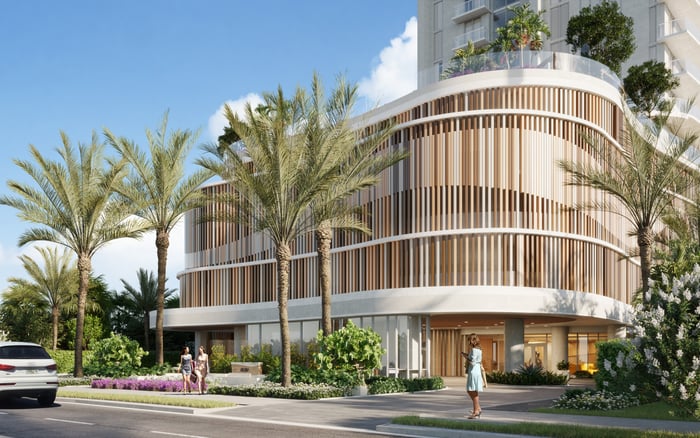
The property stands at 1100 South Flagler Drive in West Palm Beach, overlooking the Intracoastal Waterway and Palm Beach. It is not on Palm Beach island. Its fitness, pool, spa, and social facilities are described as residents-only amenities, but that designation alone does not establish reservation rights, provider access, or availability at a preferred hour.
A decision-grade review separates three matters: the amenities described, the operating permissions requiring confirmation, and the acoustic conditions relevant to the particular residence. Unverified details are not evidence of a deficiency. They are questions to resolve before relying on an amenity as infrastructure for daily life.
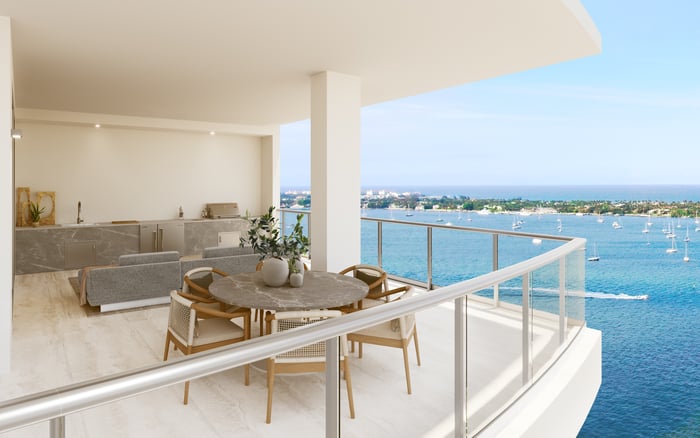
The fitness center is described as having floor-to-ceiling windows, oak flooring, cardiovascular equipment, weight machines, and an outdoor deck. A private yoga and personal-training room provides a distinct setting for instruction. Its existence, however, does not establish exclusive one-on-one use, group-class scheduling, or permission for additional services.
Separate men’s and women’s spas are described as having hot tubs, steam rooms, saunas, relaxation rooms, massage treatment rooms, and private beauty suites. Pool facilities include a 75-foot outdoor lap pool, complemented by terrace gardens. Together, these features support a substantial wellness offering without resolving every question about its use.
For buyers also considering Alba West Palm Beach, the useful comparison is not an assumed equivalence of amenities. It is a consistent standard of diligence: establish what exists, obtain the applicable rules, and determine whether those rules accommodate the buyer’s actual routine.
The available amenity descriptions do not establish a booking platform, reservation window, cancellation policy, resident-priority rules, guest limits, or advance-reservation requirement. Nor do they establish whether the yoga and personal-training room can be reserved for exclusive use.
Ask management for the current amenity rules and written booking procedures. If a reservation system exists, request a demonstration or screenshots showing how a resident selects a space, books a session, changes an appointment, and cancels. Distinguish a room reservation from a trainer appointment; neither should be assumed to guarantee the other.
Confirm operating hours separately. Advertised 24-hour concierge and valet service does not establish 24-hour fitness-center access. A buyer who exercises before sunrise or late in the evening should obtain written confirmation of access at those times.
Finally, confirm whether guests or outside providers may accompany a resident and whether restrictions apply to recurring appointments. The practical test is straightforward: can the buyer’s intended weekly schedule be accommodated under the current rules, rather than merely envisioned from the floor plan?
Personal-trainer availability is described, but individual trainers and their qualifications remain unverified. So do certifications, professional liability insurance, CPR/AED credentials, background checks, and building-approval requirements.
These are diligence questions, not confirmed requirements at The Bristol. Ask management which credentials it accepts, what documentation it retains, and whether approval is renewed or reviewed. Clarify whether a trainer is building-arranged or independently engaged by the resident, and request the terms governing that arrangement.
A resident with an established trainer should resolve independent-provider access before assuming continuity. The presence of personal-training amenities does not establish whether an outside trainer may enter the facility, use its equipment, or conduct sessions in the private room. Ask about approval procedures, any applicable charges, and responsibility for coordinating access.
The same discipline applies when evaluating Mr. C Residences West Palm Beach: compare written permissions and service arrangements, not the suggestion of personalized attention alone. No building’s trainer policy should be inferred from another’s.
The floor-to-ceiling exterior glass has historically been described as noise-reducing and laminated-insulated. That claim is not accompanied by measured acoustic-performance results and should not be treated as proof of as-built performance.
Exterior glazing also cannot, by itself, establish control of interior impact noise. The fitness descriptions identify oak flooring and extensive glass but do not disclose impact-isolation systems, acoustic ceilings, vibration isolation, or exercise-equipment decibel limits. That omission establishes neither the presence nor the absence of those measures.
Request available window, wall, and floor assembly specifications, STC/IIC ratings, engineering assessments, and sound-testing documentation. Ask which assemblies and locations each document addresses. A rating is not a building-wide assurance unless its scope supports that conclusion.
Pair technical documents with residence-specific observation. Ask to visit during an ordinary period of fitness activity, if permitted, and assess the rooms most important to the buyer’s routine. A quiet viewing at an inactive hour is useful, but it does not resolve every question about occupied conditions.
Obtain floor plans and vertical-adjacency information for the residence under consideration. Establish its relationship to fitness areas, the pool, mechanical spaces, valet activity, and event spaces. This is an exposure assessment, not a presumption that any particular location is noisy.
Request current fitness-noise policies and any available noise-complaint records, subject to appropriate privacy limits. Ask how complaints are handled and whether relevant mitigation or equipment-placement information can be supplied. A conduct rule and a physical isolation measure answer different questions; buyers benefit from understanding both.
Renovation controls also warrant document-level confirmation. Architectural review, board approval, licensed-contractor documentation, construction-hour limits, and noise restrictions are described, but current condominium documents should establish the applicable requirements.
For a buyer weighing Forté on Flagler West Palm Beach alongside The Bristol, apply the same residence-level questions. Comparing addresses or finishes is no substitute for understanding the spaces above, below, and beside the home.
Organize the final review around three written confirmations: fitness access and reservations, trainer eligibility and outside-provider permissions, and residence-specific acoustic evidence. Identify which answers are essential to the buyer’s lifestyle and which uncertainties remain acceptable.
The Bristol’s described amenities provide an attractive foundation. A stronger purchase decision connects that foundation to usable appointments, clearly understood provider arrangements, and a credible assessment of quiet within the chosen residence.
For a discreet approach to South Florida residences and buyer-focused diligence, explore MILLION.
If branded residences are on your mind — as a home or as an allocation — we would be glad to share what we are seeing, privately.
Begin a quiet conversationNo. The Bristol is at 1100 South Flagler Drive in West Palm Beach, overlooking the Intracoastal Waterway and Palm Beach.
The amenities include a two-story fitness center with cardiovascular equipment, weight machines, oak flooring, extensive glazing, an outdoor deck, and a private yoga and personal-training room.
The available descriptions do not establish an advance-reservation requirement. Request current amenity rules and written booking procedures from management.
No exclusive-use policy is established by the room’s description. Confirm whether it can be reserved privately and whether group activities are permitted.
Fitness-center hours remain unverified. Advertised 24-hour concierge and valet service does not establish around-the-clock gym access.
Accepted certifications, insurance, CPR/AED credentials, background checks, and approval requirements remain unverified. Ask management for its current standards and documentation procedures.
Outside-trainer access is not established by the described amenities. Obtain written confirmation of permission and any applicable approval procedures or restrictions.
No measured acoustic results accompany the historical marketing claim. Exterior glass alone also does not establish interior impact-noise control.
Request floor plans, vertical-adjacency information, assembly specifications, available acoustic ratings and testing documentation, fitness-noise policies, and available complaint records.
The amenities include a 75-foot outdoor lap pool and terrace gardens. Separate men’s and women’s spas are described with hot tubs, steam rooms, saunas, relaxation rooms, treatment rooms, and beauty suites.