A Fort Lauderdale residence should justify its place in an owner’s life even when the yacht is elsewhere. The strongest evaluation looks beyond dockage to everyday privacy, wellness, entertaining, reliable management and property-specific flood preparedness.
When the yacht spends summer elsewhere, a Fort Lauderdale residence faces a revealing test: does it remain a compelling place to live? The answer should extend beyond a beautiful berth. A waterfront home earns its place through the quality of an ordinary morning, the ease of an unplanned dinner and the confidence with which its owner can leave again.
Think of this as shore-side continuity. Privacy, wellness, dining and dependable oversight should sustain the experience when boating no longer organizes the day. The point is not to diminish marina access, but to distinguish a complete residence from a convenient base beside the water.
The most useful purchase question is personal: if the yacht did not return for several months, which parts of this property would you still use every week?
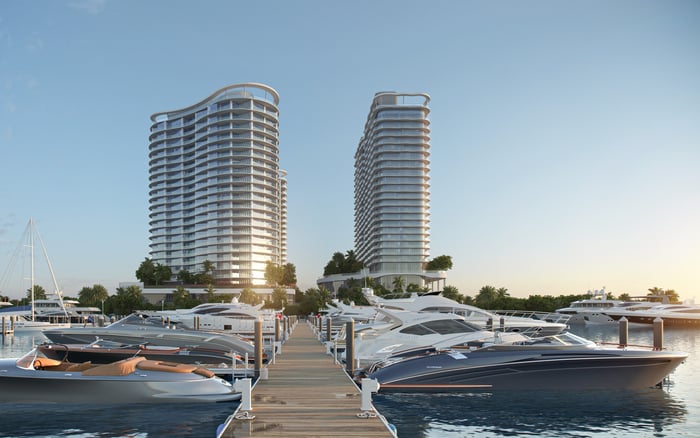
A marina’s scale can impress without answering the ownership questions that matter. At Pier Sixty-Six, the marina offering includes 164 deep-water slips accommodating vessels from 40 to 400 feet, along with 5,000 linear feet of dockage, Intracoastal and Atlantic access, concierge service and in-slip fueling. Those details describe boating infrastructure, not an automatic entitlement attached to every residence.
A different proposition appears at 160 Marina Bay: 14 private marina slips offered for exclusive purchase, with electrical and water connections and deep-water access. Neither arrangement should be evaluated on the word “private” alone.
Ask what is owned, leased or separately reserved; whether availability is assured; and which fees continue while the yacht is away. Confirm vessel compatibility, access rights and restrictions in the governing documents. A residence should not depend on an assumption about a berth that the purchase contract does not support.
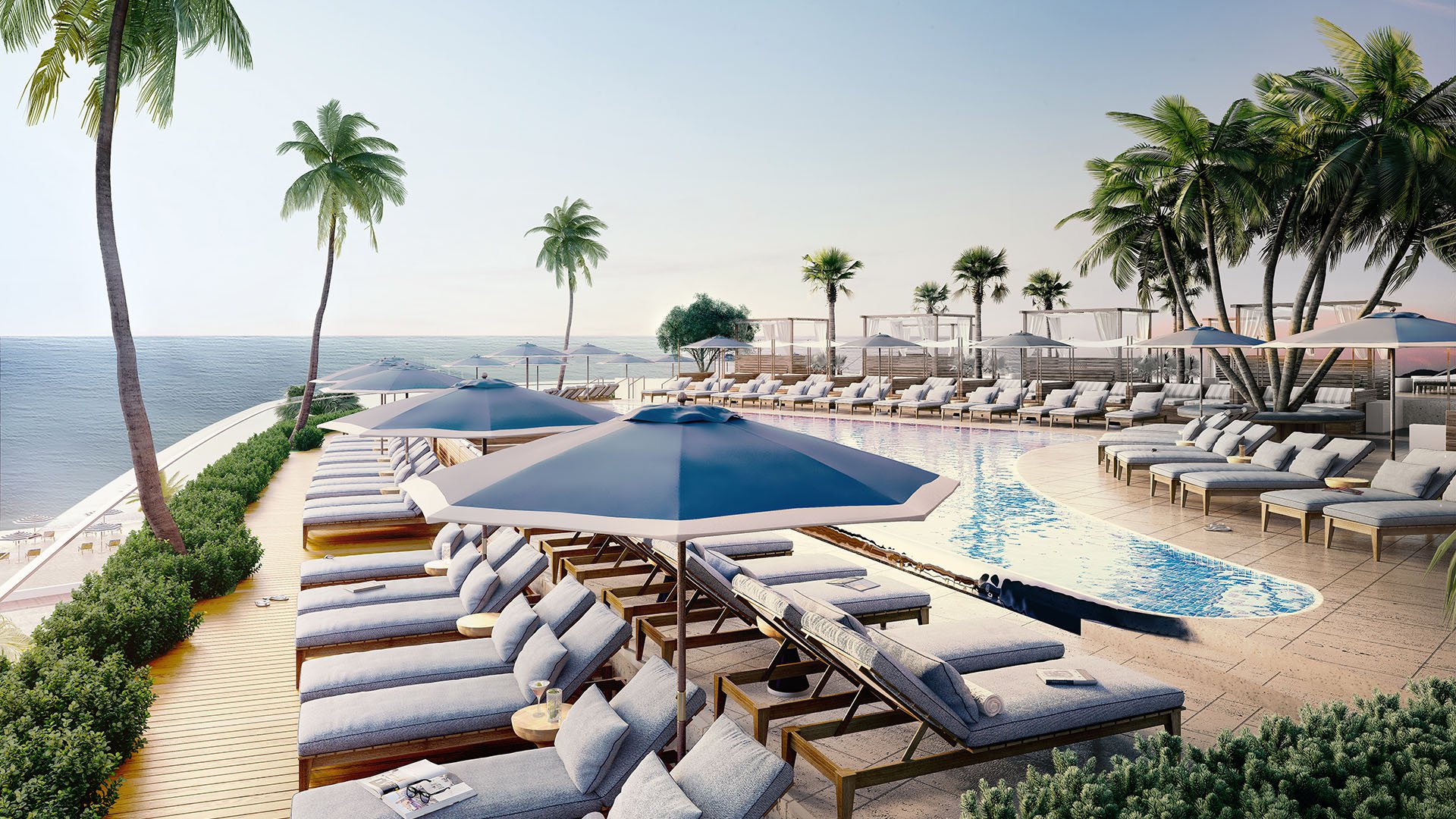
An amenity collection becomes meaningful through repeat use. At Pier Sixty-Six, the offering extends beyond the docks to resort pools, wellness spaces and exclusive lounges. It includes a 13,000-square-foot spa with a Snow Room and Vitality Pool. An adults-only pool is separate from family amenities, which include a family pool, waterslide, splash fountain and kids’ club.
For a buyer, the distinction is less about the length of that inventory than the routine it supports. Can a quiet swim coexist with visiting grandchildren? Does a spa appointment require advance planning? Which services carry separate charges, and what access is actually included for residents and guests?
If Auberge Beach Residences & Spa Fort Lauderdale is also on your shortlist, apply the same routine-based questions rather than assuming similarly named amenities deliver an identical experience. Check offerings for completion, operating schedules, reservation rules and resident eligibility before they influence a purchase decision.
A home can feel wonderfully self-contained when dining is genuinely convenient. At Pier Sixty-Six, the dining offering includes waterfront and marina restaurants, lobby and terrace lounges, poolside dining and resident priority at selected venues. These are useful possibilities for an evening when entertaining aboard is not an option.
But priority is not guaranteed availability, and proximity does not establish what ownership costs include. Ask how reservations work, whether guests share the same privileges and whether seasonal schedules affect the venues you expect to use. The rotating-tower lounge also warrants a direct check of its current operating status and access arrangements.
For buyers considering Four Seasons Hotel & Private Residences Fort Lauderdale, the same discipline applies: identify the services you would use regularly, then verify their terms. A familiar name should begin that conversation, not conclude it.
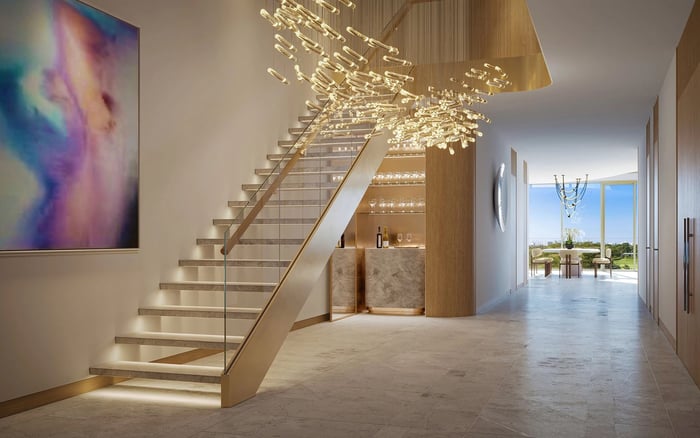
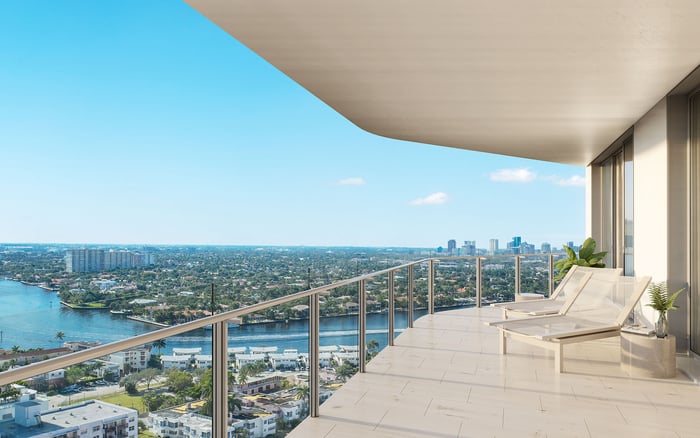
The residence itself needs to compete with its shared amenities. Consider whether the terrace would comfortably accommodate the way you dine, read or host. Ask about furniture restrictions, maintenance responsibilities and privacy from neighboring homes and common areas. These are practical questions, not details to postpone until after closing.
At 160 Marina Bay, the canal-facing pool deck offering includes lounge chairs, a cabana and a barbecue area for entertaining. That illustrates a useful distinction: shared outdoor space can supplement a residence, but it does not replace a private setting for every occasion.
When comparing Sixth & Rio Fort Lauderdale with other candidates, tour with a specific day in mind. Where would you take breakfast, receive friends and retreat when common spaces are busy? Find the answers in the actual residence and its documents rather than inferring them from an amenity rendering.
A seasonal departure should not leave the home’s care dependent on informal understandings. Ask who may enter the residence, how visits are recorded and whether management offers an owner-authorized inspection service. Clarify the distinction between building security and responsibility for conditions inside a private home.
Remote monitoring, secure arrivals, storage and post-storm checks belong on the due-diligence agenda. They should not be presumed features of any development. Ask who responds to a leak alert, who can authorize emergency work and how the owner receives confirmation that a problem has been resolved.
Request the relevant procedures and charges in writing. The useful comparison is not simply whether a concierge is present, but whether a clear chain of responsibility exists when the owner is elsewhere. Discretion matters; documented accountability matters just as much.
Fort Lauderdale’s flood exposure includes hurricanes, tropical storms, high tides and heavy rainfall. Review the property’s Flood Insurance Rate Map designation, elevation information and drainage conditions with appropriate advisers rather than treating a waterfront address as a complete risk assessment.
The lowest floor, including basements, of new and substantially improved buildings must be no lower than the applicable Base Flood Elevation. Work within a Special Flood Hazard Area can require permits for activities including improvements, paving, dredging and grading. These considerations matter when assessing future alterations as well as existing conditions.
Elevated appliances, flood-resistant materials and maintained drainage are recommended protective measures. Flood insurance is generally required for federally secured mortgages involving structures in a Special Flood Hazard Area; individual coverage and obligations still require review.
The final decision should unite pleasure with preparedness. Choose a home whose everyday spaces justify being there, whose access rights are clear and whose management arrangements make leaving less uncertain. The yacht’s return should enrich the residence, not supply its only reason to exist.
Explore Fort Lauderdale residences with MILLION to shape a shortlist around the life you want ashore.
If branded residences are on your mind — as a home or as an allocation — we would be glad to share what we are seeing, privately.
Begin a quiet conversationPrioritize comfortable private spaces, useful wellness and dining options, clear access rights and documented arrangements for caring for the home during absences.
Do not assume it does. Verify whether a slip is separately purchased, leased or reserved, along with availability, fees and access restrictions.
It advertises 164 deep-water slips accommodating vessels from 40 to 400 feet and 5,000 linear feet of dockage. These figures do not establish an individual residence’s slip rights.
The development advertises 14 private marina slips available for exclusive purchase, with electrical and water connections and deep-water access. Confirm current availability and contractual terms.
Its advertised offering includes a 13,000-square-foot spa with a Snow Room and Vitality Pool, plus adults-only and family pool amenities. Confirm operating schedules, eligibility and separate charges.
Priority should not be treated as guaranteed availability. Confirm reservation procedures, guest privileges, operating schedules and charges at each venue.
Ask about authorized entry, inspections, remote alerts, emergency work approvals and post-storm checks. Establish responsibilities and fees in writing rather than assuming they are included.
Relevant hazards include hurricanes, tropical storms, high tides and heavy rainfall. Review property-specific flood maps, elevation information and drainage conditions with appropriate advisers.
Recommended measures include elevating appliances, using flood-resistant materials and maintaining proper drainage. Their suitability should be assessed for the individual property.
It is generally required for federally secured mortgages involving structures in a Special Flood Hazard Area. Confirm the requirements and coverage applicable to the specific purchase.