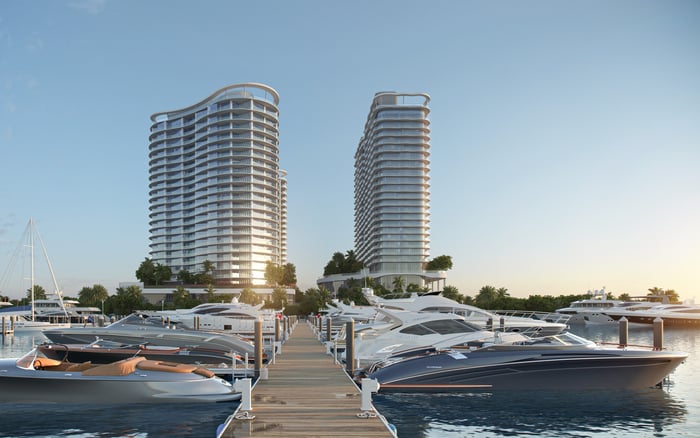
Separating the home search from the yacht’s berth can widen a Fort Lauderdale buyer’s options. The strategy depends on vessel-specific marina access, a complete ownership budget and address-level flood diligence, not an assumed waterfront discount.
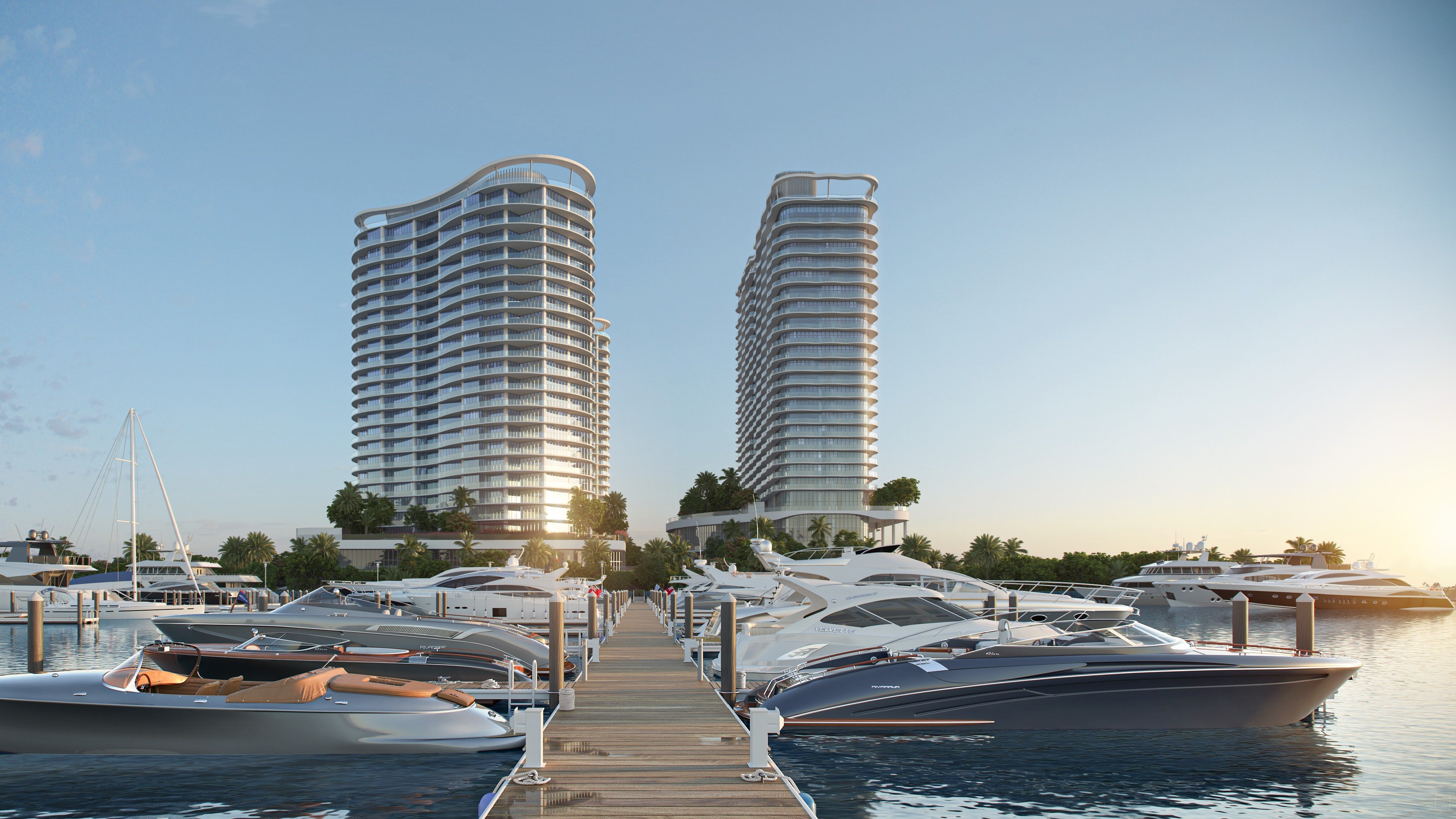
In Fort Lauderdale, a yacht can shape a home search before the buyer has considered the house itself. Canal width, dock dimensions and the route to open water become filters, sometimes ahead of architecture, privacy or how a residence feels on an ordinary evening. For buyers who need private dockage, that order makes sense. For others, it deserves a second look.
Living near the yacht rather than on its canal separates two distinct decisions: where you want to live and where your vessel needs to berth. It can widen the residential search without abandoning boating. It is not, however, a proven savings formula. The outcome depends on a workable slip arrangement, the journey between home and boat, and the full cost of both.
The essential question is not whether waterfront ownership is worth its premium in general. It is whether private dockage earns its place in your household.
Begin with the vessel, not a map radius. Ask each prospective marina to confirm its dock dimensions, water depth and access conditions for your yacht. Treat those details as starting points, not confirmation that a suitable slip is available.
Dock-depth specifications do not establish unrestricted passage. The entire route, including relevant bridge clearances and operating restrictions, requires vessel-specific review. A marina can appear ideal on a map yet fail a requirement that matters to your captain.
Before treating a nearby home as a viable alternative to canal frontage, obtain written confirmation of slip availability, permitted dimensions, draft limits, access restrictions, insurance requirements, storm procedures and renewal terms. Clarify the arrangement’s duration and conditions. A residence is a long-term commitment; an uncertain berth should not become its foundation.
Then test the land-side journey at the times you would actually use the boat. Proximity matters only if the trip works in practice.
Private canal frontage brings the residence and its boating arrangements into the same purchase decision. Review frontage, dock dimensions, any boat lift and the route to open water separately. Frontage alone does not establish whether the dock, lift or route fits the vessel.
When comparing that ownership model with a nearby-marina arrangement, identify the features you would genuinely use. A buyer who prizes immediate departures may value private dockage differently from someone who makes occasional, planned outings. Neither preference is inherently more sophisticated.
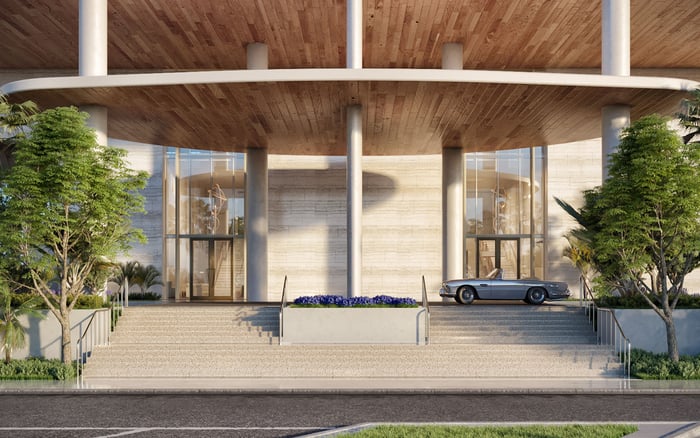
The same distinction applies to the residence. If a condominium is also under consideration, Andare Residences Fort Lauderdale can enter the residential comparison without assumptions about a berth. Evaluate the home on its own merits, then establish independently whether the boating arrangement works.
Do not assume that choosing a non-waterfront home creates a particular saving. Compare actual properties available to you, accounting for differences in condition, lot, scale and boating utility. Any purchase-price difference is only the beginning of the ownership comparison.
Keep measures separate when reviewing Las Olas Isles or other Fort Lauderdale waterfront neighborhoods. A median sale price, a luxury-segment average and an asking price describe different things. None substitutes for a comparison of the homes you would realistically buy.
For a broader residential search, Sixth & Rio Fort Lauderdale offers another project to evaluate alongside single-family options. Keep its residential assessment separate from assumptions about yacht access or slip rights.
The relevant comparison is complete ownership cost, not simply the difference between purchase prices. For the canal home, examine the residence alongside its private dockage infrastructure, insurance and maintenance obligations. For the alternative, combine the home’s costs with slip fees, marine insurance requirements, transportation and maintenance arrangements.
Request actual quotes and contractual terms rather than filling gaps with estimates presented as facts. Include the practical cost of getting people, provisions and equipment aboard. If the arrangement requires additional coordination, decide whether that is a tolerable inconvenience or a recurring obstacle to using the yacht.
Consider continuity as well as expense. Ask what happens if the berth cannot be renewed, the vessel changes or storm procedures require relocation. The alternative should remain workable beyond the first season.
Moving away from a canal does not establish lower flood risk or lower insurance premiums. Review flood-zone information for the specific property rather than relying on a neighborhood’s reputation.
Obtain property-specific insurance quotes and confirm applicable lending requirements before relying on an ownership budget. Ask what coverage is required and what the proposed policies exclude.
Treat the home and yacht as separate insurance reviews. A satisfactory residential quote does not resolve the marina’s requirements, and a suitable berth does not resolve the house’s flood exposure.
The strongest version of this strategy preserves the boating life while improving the residential choice. Buyers considering Four Seasons Hotel & Private Residences Fort Lauderdale should apply the same discipline: choose the residence for how they intend to live, and verify the yacht arrangement independently. A project name is not evidence of docking access.
Private canal ownership remains compelling when immediate access to the vessel is central to daily life. A nearby berth deserves consideration when dockage requirements would otherwise exclude the preferred home. The decision becomes clearer once the slip is confirmed, the costs are assembled and the journey has been tested.
Explore a Fort Lauderdale home search shaped around both your residence and your yacht with MILLION.
If branded residences are on your mind — as a home or as an allocation — we would be glad to share what we are seeing, privately.
Begin a quiet conversationIt means selecting the residence separately from the yacht’s berth, using a suitable nearby marina instead of requiring private dockage at home.
No. Any purchase-price difference must be evaluated alongside slip fees, insurance, transportation, maintenance and the costs of the residence itself.
Ask whether the depth suits the yacht’s draft and confirm conditions along the entire route. A dock-depth specification alone does not establish vessel suitability.
Test the journey at the times you expect to use the boat. Choose a distance that works for your household rather than relying on a map radius alone.
Obtain written confirmation of availability, dimensions, draft limits, access restrictions, storm procedures, insurance requirements and renewal terms.
No. Bridge clearances, route conditions and operating restrictions require separate vessel-specific review.
Review frontage, dock dimensions, any boat lift and the route to open water separately. No single feature establishes that the property suits the yacht.
No. Broad ranges do not control for differences in condition, scale, lot or boating infrastructure, and they are not matched-property valuations.
No. Review the individual address through flood-zone tools and obtain property-specific insurance quotes.
It may be preferable when immediate access to the vessel is central to daily life. A nearby marina deserves consideration when separating the berth from the residence improves the overall fit.