A discreet buyer’s guide to owning seasonally in Wynwood, with emphasis on turnkey management, access, rental flexibility, and how to compare nearby Miami residences.
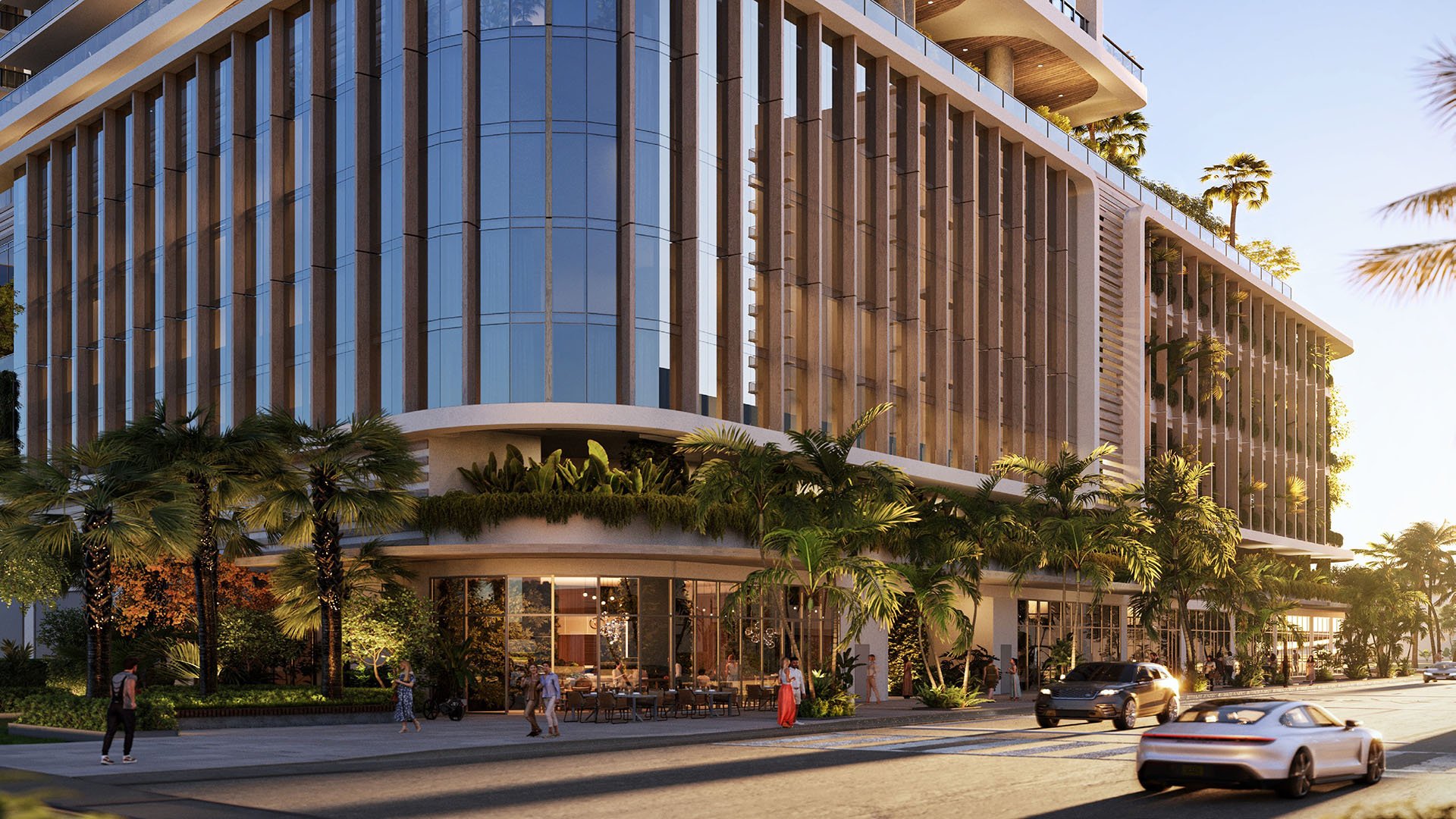
Wynwood rewards buyers who want Miami to feel immediate, creative, and urban. For seasonal owners, that energy is the draw, but it also sharpens the ownership brief. The ideal residence is not merely stylish; it must be simple to access, secure, service, and leave for weeks or months without concern.
That is why the strongest Wynwood search begins with management rather than finishes. A beautiful apartment can disappoint if every arrival requires coordination, every vendor visit becomes a favor, and every absence feels exposed. A more intelligent purchase is one where the building, the owner’s representative, and the residence itself operate as a quiet system.
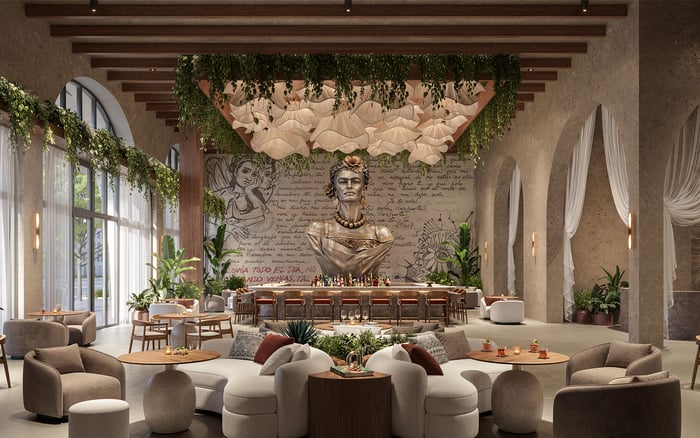
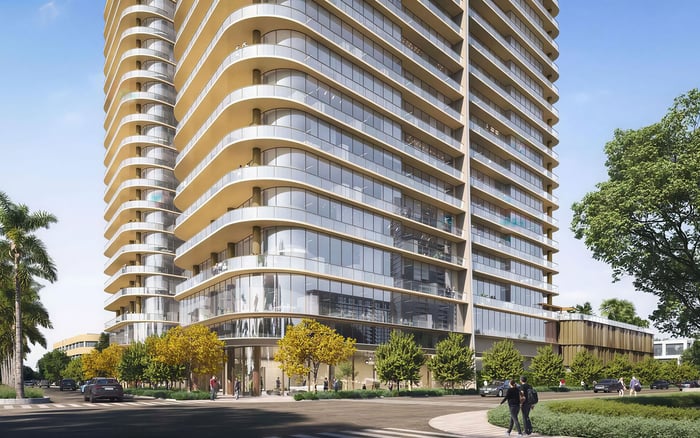
For a second-home buyer, Wynwood is less about recreating a resort lifestyle and more about owning a lock-and-leave Miami base with cultural proximity. A project such as Frida Kahlo Wynwood Residences belongs in the conversation for buyers who want the address to align with the district’s design identity while still evaluating the practical details that make seasonal use graceful.
Turnkey management should be defined before the search becomes emotional. At the premium end, it means more than housekeeping. It includes pre-arrival inspections, climate and lighting checks, refrigerator stocking, linen rotation, vendor access, package oversight, post-departure cleaning, and a clear escalation protocol if something fails while the owner is away.
The first question is who is actually responsible. Some services may sit with building staff, some with a property manager, and some with a private household team. Seasonal owners should avoid vague assurances and ask for a written scope. If the manager says arrivals are covered, the next question is whether that includes airport timing, key control, garage access, guest authorization, and pantry preferences.
There is also a privacy dimension. Wynwood buyers often entertain casually, but discreet ownership depends on disciplined access. The strongest arrangements limit who can enter, document vendor visits, and preserve a maintenance record without turning the owner into an operations coordinator.
A turnkey residence begins in the lobby, garage, elevator, and service corridors. A seasonal owner should study how the building handles guests, deliveries, rideshare arrivals, maintenance personnel, and after-hours issues. The more the building absorbs, the less the owner must manage remotely.
Security should feel calm rather than theatrical. A well-run property makes the owner’s absence uneventful. Ask how long packages can be held, how food deliveries are handled, whether there is a formal move-in and vendor procedure, and whether staff can coordinate with a private manager without confusion.
Parking and storage matter because seasonal living creates repetition. Owners may keep wardrobe, art materials, sports gear, or entertainment supplies on site. If the residence is meant to feel ready on arrival, the apartment needs enough storage to avoid looking temporary. The same logic applies to durable finishes, smart-home systems, and easily serviceable appliances.
For buyers who like Wynwood but want to compare nearby urban inventory, Miami Design Residences Midtown Miami may help frame the broader Midtown and design-district-adjacent lifestyle. The comparison is not only aesthetic. It is about which building best supports how often the owner arrives, how long they stay, and how little friction they will tolerate.
Investment discipline matters, but seasonal ownership should not be built on assumptions. Rental rules can vary sharply by building, association documents, local regulation, minimum lease terms, approval procedures, and platform restrictions. A buyer considering short-term rentals or Airbnb use should review the documents before contract confidence hardens.
The more flexible the rental profile, the more important the management profile becomes. Frequent guest turnover requires cleaning standards, damage checks, inventory control, guest communication, and reliable access procedures. Even when rental income is not the primary objective, an owner may want optionality for select periods. Optionality is valuable only if it is lawful, permitted by the building, and operationally clean.
There is a reputational consideration as well. Luxury buildings are sensitive ecosystems. A seasonal owner should consider whether the building culture is residential, hospitality-driven, investor-oriented, or somewhere in between. None is universally superior. The right answer depends on whether the buyer prizes quiet personal use, income flexibility, or a hybrid strategy.
Wynwood is compelling for buyers who want immediacy and character. Edgewater adds a different rhythm, often more residential in feel and closer to the water. Brickell introduces a polished financial-district cadence with a more vertical, service-rich lifestyle. The right choice is not about prestige alone. It is about the owner’s Miami routine.
If water views, wellness amenities, and a softer residential atmosphere are priorities, EDITION Edgewater offers a useful point of comparison for buyers who want to remain near the urban core while shifting the lifestyle emphasis. If the owner expects frequent business lunches, formal dining, and a more buttoned-up arrival experience, 2200 Brickell can help define the Brickell alternative.
Wynwood should win when the buyer wants a residence that feels connected to Miami’s creative surface. It should not win by default if the owner’s true needs are marina access, beach proximity, or a highly traditional service environment. A seasoned advisor will test the fantasy against the calendar: arrival days, dinner habits, visiting guests, pet care, work calls, and departure routines.
New construction can be attractive for seasonal owners because it may reduce immediate renovation complexity and offer contemporary systems. Still, the word new does not automatically mean effortless. Buyers should understand what is included, what remains owner responsibility, when warranties apply, and how the building will operate once fully occupied.
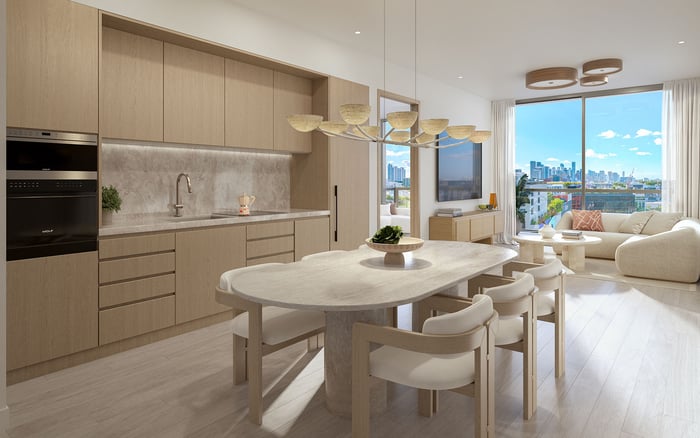
A furnished or designer-ready residence can be especially appealing if the owner wants a fast path to use. The key is to inspect beyond the visual package. Window treatments, closet build-outs, lighting scenes, audio, cookware, bedding, outdoor furniture, and maintenance supplies are the difference between a pretty handover and a truly turnkey home.
For international or out-of-state owners, the final step is assembling the team before closing. That may include legal review, insurance guidance, property management, housekeeping, technology support, art handling, and a trusted local contact. The best time to build this structure is before the first arrival, not after the first inconvenience.
Is Wynwood a good fit for seasonal owners? Yes, if the owner wants an urban Miami base and values strong management. The best fit is a buyer who wants culture, dining access, and lock-and-leave simplicity.
What should turnkey management include? It should include pre-arrival checks, cleaning, vendor access, package oversight, and post-departure care. A written scope is essential.
Should I prioritize amenities or management? Management should come first for seasonal use. Amenities add pleasure, but daily operating reliability protects the ownership experience.
Can I use a Wynwood residence for short-term rentals? Possibly, but only if building rules and local requirements allow it. Review documents before assuming flexibility.
Is Airbnb use the same as luxury rental strategy? No. A luxury rental strategy requires compliance, guest screening, cleaning standards, inventory control, and brand-sensitive presentation.
How much storage should a seasonal owner seek? More than a typical weekend user might expect. Storage keeps the home feeling permanent rather than packed and unpacked every visit.
Is new construction better for turnkey ownership? It can be, especially when systems and finishes are current. Buyers should still verify service procedures, warranties, and completion details.
How does Wynwood compare with Brickell? Wynwood feels more creative and informal, while Brickell tends to feel more corporate and polished. The stronger choice depends on routine.
What is the biggest mistake seasonal buyers make? They fall in love with design before testing operations. A residence must perform beautifully when the owner is not there.
What is the best way to shortlist comparable options for touring? Start with location fit, delivery status, and daily lifestyle priorities, then compare stacks and elevations to validate views and privacy.
For a discreet conversation and a curated building-by-building shortlist, connect with MILLION.
If branded residences are on your mind — as a home or as an allocation — we would be glad to share what we are seeing, privately.
Begin a quiet conversation