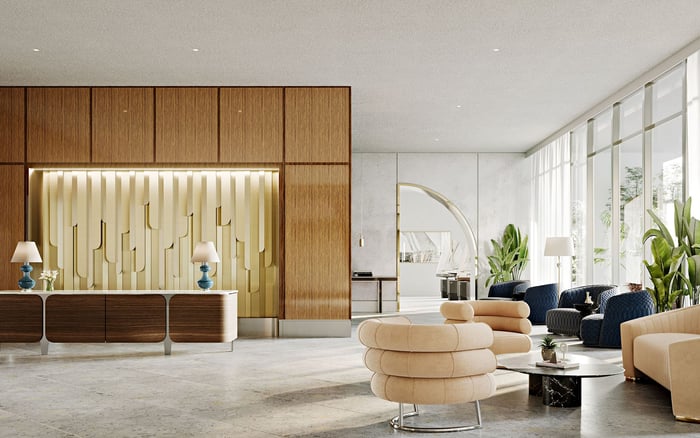
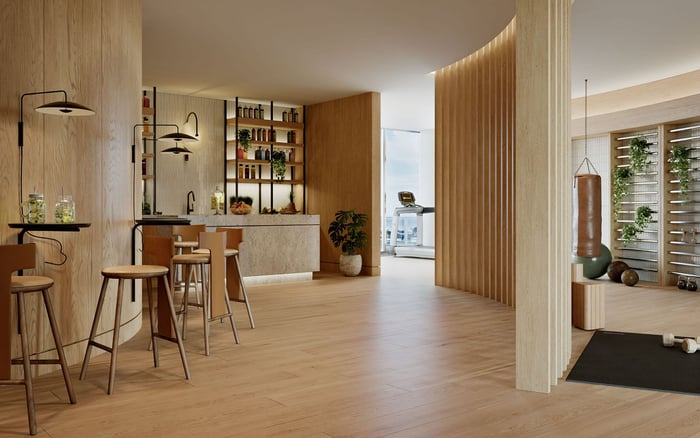
A 2026 comparison framework for privacy-minded buyers evaluating Mr. C Tigertail Coconut Grove and The Residences at Mandarin Oriental, Miami, with emphasis on access, service boundaries, shared spaces, documents, and firsthand due diligence.

For buyers comparing Mr. C Tigertail Coconut Grove and The Residences at Mandarin Oriental, Miami in 2026, privacy should be evaluated as an operating condition rather than a branding claim. The useful questions concern who can enter, how residents and guests move through the property, where service interactions occur, and which shared areas are optional in daily life.
This approach keeps the comparison focused on matters a buyer can verify. It also separates the appeal of hospitality-led living from the specific procedures that determine whether a residence feels discreet in practice.
A privacy review can start at the property entrance and continue to the residence door. Buyers can ask how resident, guest, staff, and delivery routes are managed; whether access permissions can be customized; and how identity or authorization is confirmed.
The same review should cover elevators, parking transitions, reception areas, and after-hours procedures. These details may reveal more about everyday discretion than presentation materials alone.
Residential hospitality can involve several types of assistance, but buyers should not assume that any particular service is included, continuously available, or handled within a private setting. Request a written explanation of the current service program, including operating hours, request methods, costs, scheduling requirements, and cancellation rules.
It is equally important to establish where each interaction takes place. A buyer seeking privacy may prefer services that minimize unnecessary movement through common areas, but that preference should be tested against the property's actual procedures.
Amenities can support convenience while also creating points of interaction. During a tour, note whether circulation concentrates users in one area or offers different routes and settings. Ask how reservations, guest access, capacity, and private events are administered.
Buyers should also consider whether the residence itself supports their preferred routine without depending on communal facilities. Layout, outdoor space, acoustic separation, elevator access, and proximity to active shared areas can all be examined firsthand, without assuming that one configuration works for every owner.
Mr. C Tigertail Coconut Grove and The Residences at Mandarin Oriental, Miami can be placed on the same due-diligence grid: arrival, access control, guest handling, staffing, deliveries, amenity use, service availability, and residence-level privacy.
The point is not to declare a universal winner. A buyer who travels frequently, hosts often, works from home, or values limited social contact may assign different weight to each category. Written answers and direct observation provide a more disciplined basis for comparison than brand recognition.
A privacy-focused tour can include other residences already relevant to the Coconut Grove search, such as Four Seasons Residences Coconut Grove, The Well Coconut Grove, and Vita at Grove Isle. These links provide additional internal navigation, while every property's current operations still require independent verification.
Use the same questions at each appointment so that differences are easier to identify. Visit at relevant times, walk the expected route from arrival to residence, and ask how exceptions are handled when guests, deliveries, or service requests fall outside routine conditions.
Before making a decision, obtain and review the current governing documents, disclosures, fee schedules, service descriptions, access rules, and guest policies applicable to the residence under consideration. Confirm verbal statements in writing and identify which procedures may be changed by management or governing bodies.
Privacy is personal, so the final assessment should reflect the buyer's own routines. The strongest comparison is one that connects documented procedures with a firsthand test of arrival, circulation, service, shared-space use, and time spent inside the residence.
What does privacy mean in a residential-hospitality comparison? It means examining access, circulation, service interactions, guest handling, and the amount of control an owner has over daily contact.
Should a hospitality brand be treated as proof of discretion? No. Buyers should verify the specific procedures and documents that govern the residence.
Why should arrival routes be tested in person? A firsthand visit helps a buyer observe transitions among entrances, reception points, elevators, parking, and the residence.
What service details should a buyer request in writing? Ask for current availability, hours, costs, request methods, scheduling requirements, and applicable limitations.
How should guest access be evaluated? Review authorization procedures, permitted routes, host responsibilities, and any rules affecting shared spaces.
Why do delivery procedures matter for privacy? Delivery routes and handoff rules can affect how often residents, staff, and visitors cross paths.
How should amenities be assessed? Examine access controls, reservations, guest policies, circulation, and whether using an amenity fits the buyer's preferred level of interaction.
Does residence-level privacy matter as much as building operations? Yes. Buyers should personally assess layout, outdoor space, acoustic conditions, access, and proximity to common areas.
Why compare several South Florida residences with the same checklist? A consistent checklist makes operational and design differences easier to identify without relying on assumptions.
What should happen before a 2026 purchase decision? Review current documents, confirm representations in writing, and test the property against the buyer's actual routine.
If you'd like a private walkthrough and a curated shortlist, connect with MILLION.
If branded residences are on your mind — as a home or as an allocation — we would be glad to share what we are seeing, privately.
Begin a quiet conversation