A discreet buyer’s guide for Los Angeles sellers considering how to reallocate estate proceeds into West Palm Beach real estate, reserves, lifestyle, and long-term flexibility.
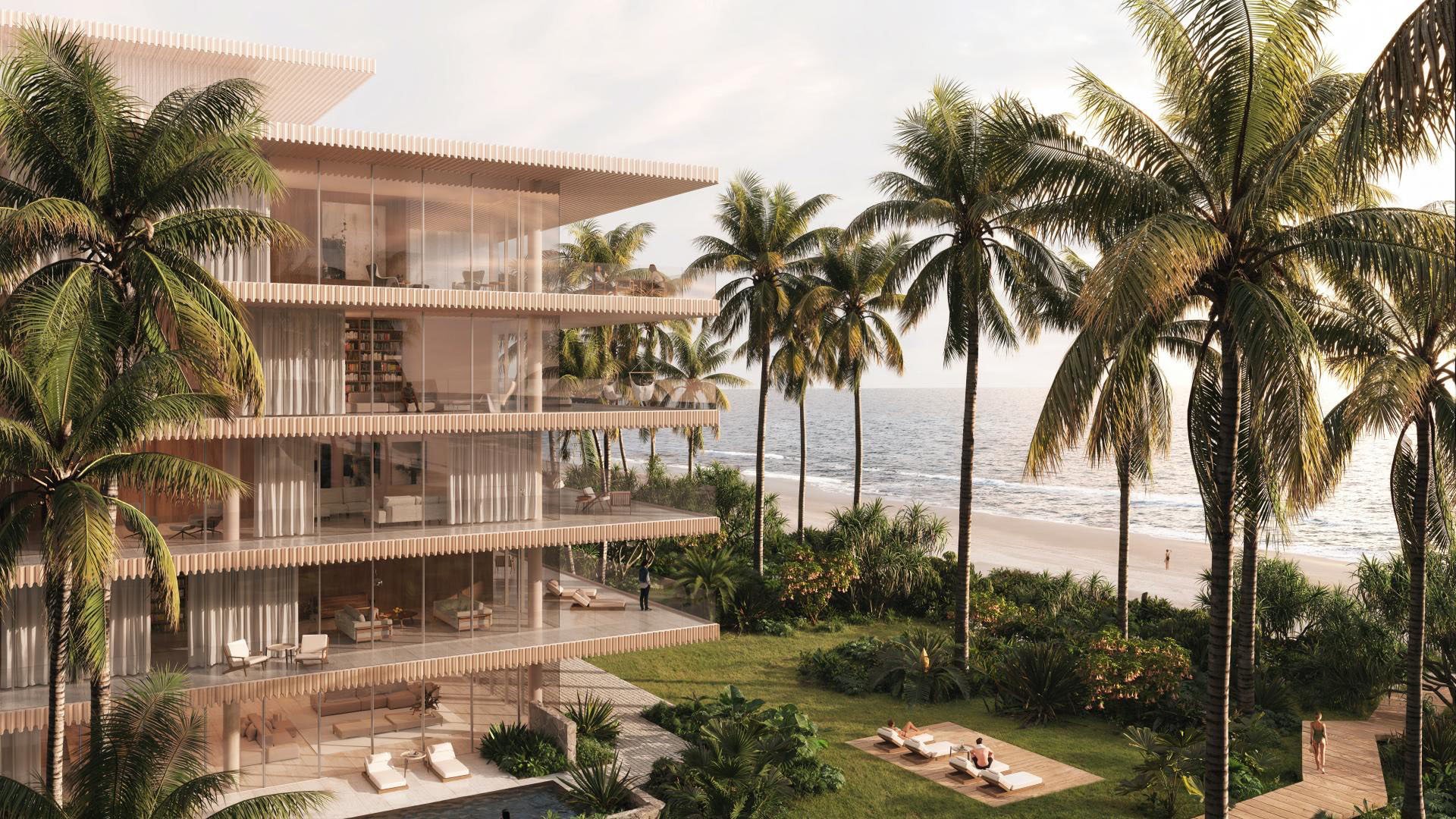
Selling a Los Angeles estate can create a rare moment of financial clarity. The wire arrives, former carrying costs fall away, and the next residence begins to feel less like a search than a capital decision. For buyers considering West Palm Beach after exiting a northern estate, the central question is not simply what to buy. It is how much cash should remain liquid, how much should be committed to lifestyle, and how much should stay available for tax, timing, and future opportunity.
The strongest buyers tend to resist the instinct to replicate what they just sold. A large estate may have rewarded land, privacy, staff areas, and bespoke maintenance. A South Florida residence may reward different priorities: lock-and-leave ease, managed amenities, proximity to dining and culture, waterfront orientation, or a more deliberate split between primary residence and second-home usage. That shift should be reflected in the allocation plan before the first negotiation begins.
Cash allocation should begin with personal use, not maximum purchasing power. A buyer who expects to spend full seasons in West Palm Beach may justify a different capital commitment than a buyer seeking a lighter winter base. Likewise, a household that entertains formally, hosts extended family, or travels with staff should preserve more flexibility for improvements, furnishings, storage, transportation, and service continuity.
The cleanest framework is to divide the proceeds into four pools: acquisition capital, liquidity reserves, transition costs, and optionality. Acquisition capital is the amount available for the residence itself. Liquidity reserves should remain outside the purchase, protecting the buyer from rushed decisions after closing. Transition costs cover moving, design work, insurance reviews, professional fees, and the inevitable friction of changing states and lifestyles. Optionality is the capital intentionally left uncommitted, allowing the buyer to act if a superior residence, adjacent property, or private opportunity appears.
This approach is especially important when moving from a single-estate mindset to a condominium or serviced-residence mindset. The purchase price may be only one element of the long-term experience. The better question is whether the overall allocation preserves comfort, control, and discretion after the keys are delivered.
West Palm Beach attracts buyers for different reasons. Some want proximity to Palm Beach without the burden of maintaining a traditional estate. Others want a more vertical, service-driven residence with walkable access to dining, culture, and the waterfront. Some are focused on new construction, while others prefer an immediate move-in timeline and are willing to evaluate resale opportunities.
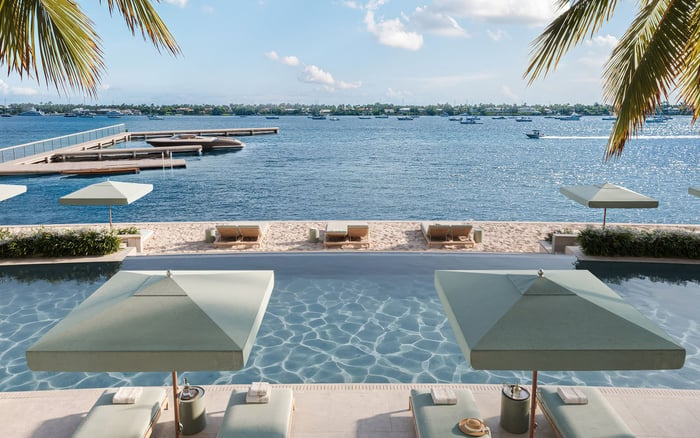
Because the market supports several lifestyles, buyers should avoid treating all residences as interchangeable. A residence at Alba West Palm Beach may speak to a buyer seeking a West Palm Beach address with a contemporary condominium format, while Forté on Flagler West Palm Beach may belong in a conversation about Flagler Drive living and a more waterfront-oriented daily rhythm. The point is not to chase every available option. It is to match the capital plan to how the residence will actually be used.
For some Los Angeles sellers, that means allocating less to the initial purchase and more to furnishings, art handling, travel, and family logistics. For others, it means concentrating capital in a residence that minimizes management demands. The right answer is personal, but the wrong answer is usually the same: exhausting liquidity to win a property, then treating post-closing needs as an afterthought.
A cash buyer often enters negotiations with a cleaner profile. Yet cash can also create overconfidence. The absence of financing does not remove the need for inspection, document review, insurance analysis, title diligence, association review, and a precise closing calendar. It simply changes the leverage and the timeline.
For a seller of a Los Angeles estate, the temptation may be to deploy proceeds quickly, especially after a long sales process. A more discreet strategy is to define the maximum property allocation in advance and let the search operate within that boundary. If the residence exceeds the planned allocation, the buyer should know what is being sacrificed: liquidity, reserves, design budget, estate planning flexibility, or future investment capacity.
A disciplined cash buyer may also choose to remain partially liquid even when able to purchase outright. That choice is not a sign of hesitation. It is a form of control. In South Florida, where lifestyle preferences can evolve after a season of living, retained liquidity can be as valuable as negotiating strength.
The closing is not the finish line. It is the beginning of a new operating environment. Buyers moving from Los Angeles to West Palm Beach should budget for the soft costs of becoming settled: furnishings suited to climate and architecture, secure storage, art and wine logistics, household staffing adjustments, professional advisors, and possible temporary accommodations during the transition.
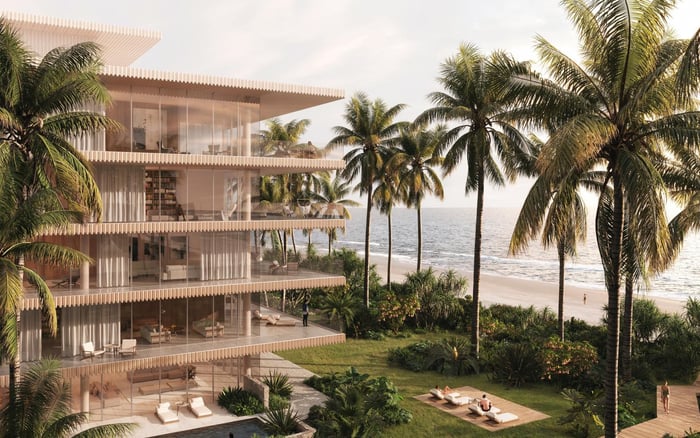
Residences such as Mr. C Residences West Palm Beach may appeal to buyers evaluating a service-oriented residential concept, while The Ritz-Carlton Residences® West Palm Beach may enter the conversation for households that prioritize a branded residential environment. A buyer coming from an estate should look closely at how services, privacy, arrival sequence, parking, guest access, and building culture fit daily life.
It is wise to keep a distinct post-closing reserve. This should not be the same pool used for taxes or long-term investments. It is the practical capital that allows the buyer to say yes to the right designer, upgrade a temporary living arrangement, solve an unexpected logistics issue, or move more slowly when the right answer requires patience.
A large property sale can intersect with capital gains planning, residency considerations, charitable planning, trusts, family governance, and future gifting. Buyers should not let the excitement of a South Florida purchase get ahead of counsel. The real estate strategy should be reviewed alongside the family’s broader balance sheet.
This is particularly true when the West Palm Beach residence is part of a broader transition rather than a simple move. If the buyer will maintain homes elsewhere, share usage with family, or treat the property as a legacy asset, the purchase structure matters. Title, ownership entity, insurance, and succession planning should be addressed before contract execution whenever possible.
The best allocation is the one that remains elegant under pressure. It allows for closing, living, planning, and adapting without forcing later decisions. For affluent buyers, liquidity is not idle capital. It is freedom.
Before writing an offer, a buyer should be able to answer several private questions. What is the maximum capital that can be committed to the residence without narrowing future choices? How much should remain immediately liquid after closing? What is the real cost of recreating comfort in a new setting? Which lifestyle features are essential, and which are simply familiar from the prior estate?
The answers often reveal whether the buyer is shopping for a property or designing a new chapter. West Palm Beach can support both discretion and energy, but it rewards buyers who arrive with a clear thesis. Palm Beach adjacency, condominium convenience, managed amenities, and a refined urban rhythm can all be compelling. They should still be weighed against the value of patience, reserves, and optionality.
For Los Angeles sellers, the most sophisticated move is rarely the most aggressive one. It is the one that converts a successful sale into a durable South Florida lifestyle without losing the financial flexibility that made the move possible.
How much of my estate sale proceeds should I allocate to the next residence? Start with lifestyle needs and required reserves, then define the purchase budget. The right allocation should preserve flexibility after closing.
Should I buy in cash after selling a Los Angeles estate? Cash can simplify negotiation, but it should not replace diligence. Keep enough liquidity for taxes, transition costs, and future options.
Is West Palm Beach better for a primary home or second home? It can serve either role depending on usage, family needs, and travel patterns. The allocation should reflect how often the residence will be occupied.
Should I focus only on new-construction residences? New construction can be compelling, but timing, customization, and delivery considerations matter. Resale may suit buyers who need immediate occupancy.
What costs are easy to underestimate after closing? Buyers often underestimate furnishings, insurance review, moving logistics, design work, and the cost of maintaining liquidity during transition.
How should I think about waterfront living? Waterfront preferences should be weighed with privacy, exposure, views, access, and ongoing ownership considerations. It is a lifestyle choice, not only a view choice.
Can I split proceeds between real estate and investment capital? Yes, many buyers separate residence capital from longer-term investment planning. That conversation should include legal, tax, and financial advisors.
When should advisors be involved? Advisors should be involved before contract execution whenever possible. Ownership structure, tax planning, and estate considerations can affect the purchase.
Is Palm Beach adjacency different from living directly on the island? The distinction can affect daily rhythm, privacy, access, and lifestyle. Buyers should test both environments before committing capital.
What is the biggest mistake sellers make after a major estate sale? The biggest mistake is overcommitting too quickly. A disciplined reserve can protect both lifestyle quality and future choice.
For a discreet conversation and a curated building-by-building shortlist, connect with MILLION.
If branded residences are on your mind — as a home or as an allocation — we would be glad to share what we are seeing, privately.
Begin a quiet conversation