A discreet due-diligence guide for family buyers evaluating how restaurant, bar, terrace, valet, and amenity sound may affect daily life at The Well Coconut Grove.
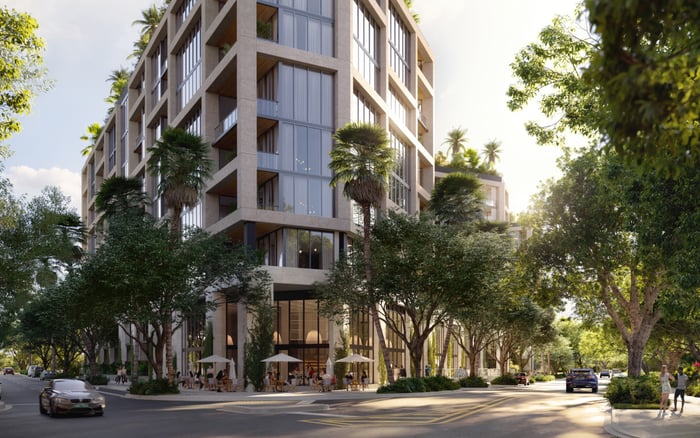
The Well Coconut Grove sits in one of South Florida’s most character-rich residential settings, where wellness language, neighborhood energy, and luxury living can overlap in sophisticated ways. For family buyers, that overlap deserves careful attention. Restaurant-related noise exposure is not just a lifestyle detail; it can shape sleep, privacy, homework, remote work, and the ease of maintaining a household routine.
This is especially true in Coconut Grove, where the village atmosphere is central to the appeal. The same lively setting that gives the neighborhood its charm can also create a shifting soundscape, from morning deliveries to evening guest circulation. A family should not evaluate only the residence plan, finishes, or amenities. The more precise question is whether the acoustic environment supports the way the household actually lives.
In a Coconut Grove new-construction purchase, the best inquiries are calm, specific, and made before contract decisions become emotional. The objective is not to assume a problem. It is to understand exposure, mitigation, operating rules, and recourse.
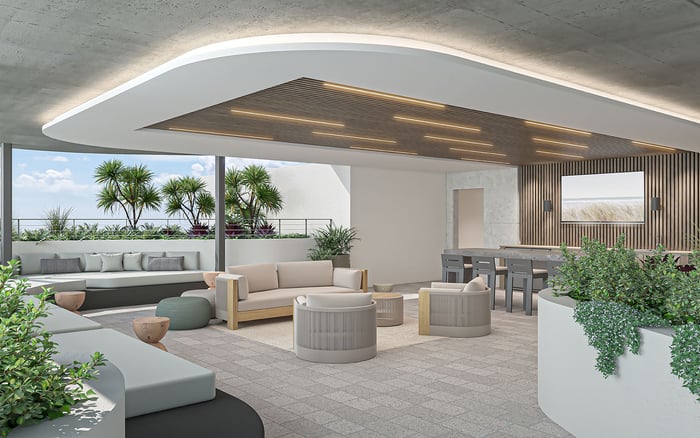
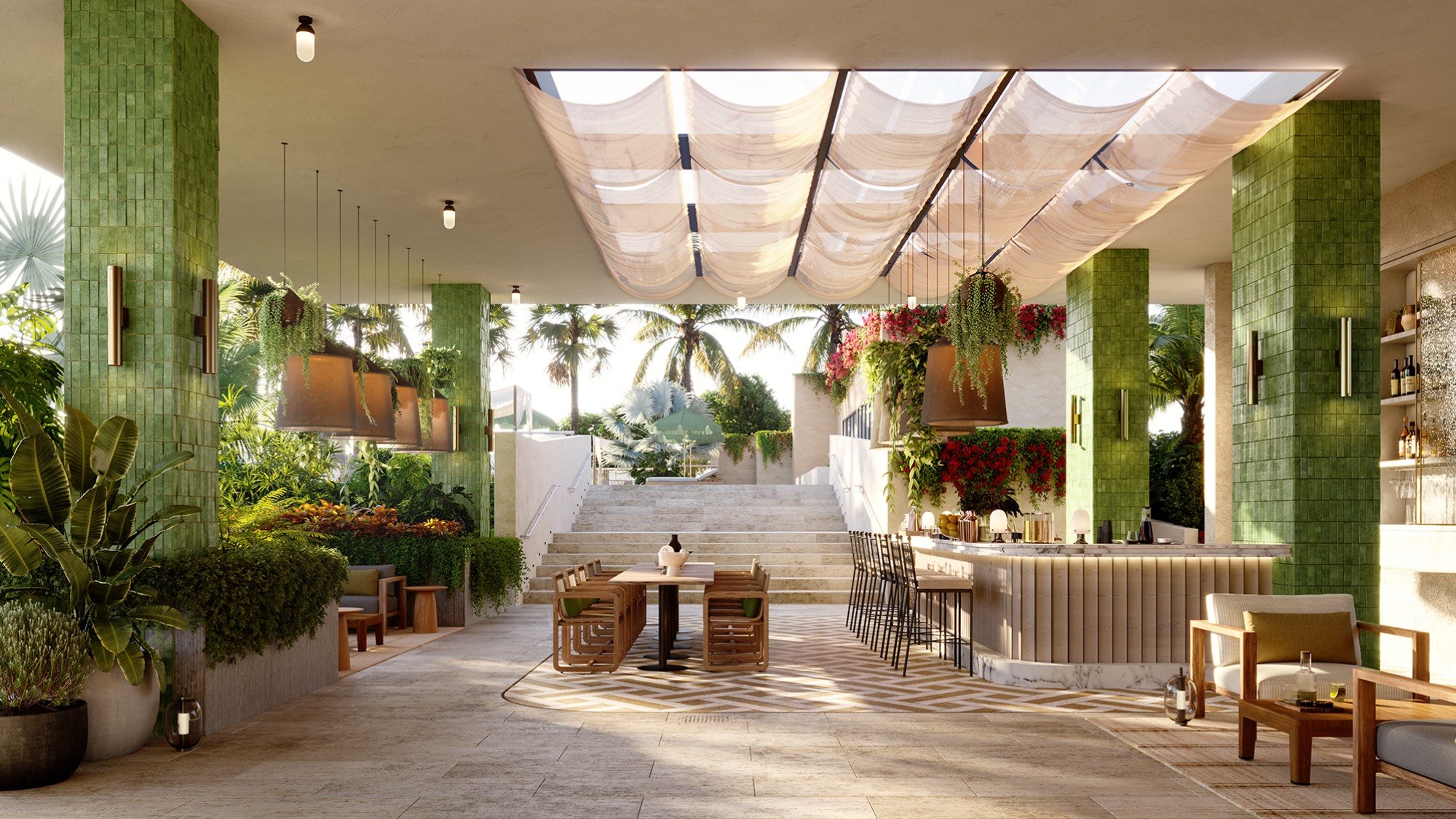
The first question is simple: where might hospitality activity occur in relation to the residential stacks? Families should ask whether any restaurant, bar, lounge, terrace, or amenity activation is planned on-site or immediately adjacent to residences. Even in a wellness-oriented building, day-to-night programming can change how sound travels through outdoor areas, arrival courts, elevator approaches, and shared spaces.
The next step is to locate the residence in relation to likely sound sources. Ask which homes sit closest to restaurant exhaust, loading, valet activity, outdoor seating, late-evening guest circulation, or any service zones. Bars and dining venues do not create only music or conversation noise. They can also bring footsteps, doors, rolling carts, vehicle movement, staff arrivals, and post-dinner departure patterns.
Balcony placement matters as well. A beautiful balcony can be an asset for morning air and family downtime, but its orientation may also determine whether outdoor seating, street life, or valet movements feel distant or immediate. For a family with young children, a residence that looks calm during a weekday tour should also be considered through the lens of potential evening activity.
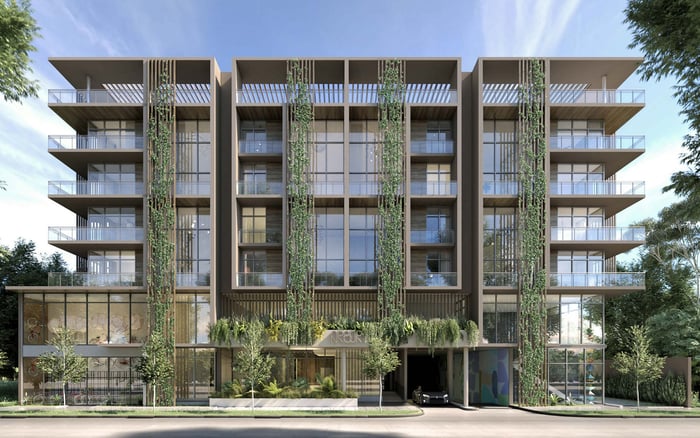
Restaurant sound is rarely uniform across a building. Two residences with similar interiors can perform very differently depending on orientation, floor height, façade exposure, and balcony geometry. A lower-floor home near guest circulation may have a different profile from a higher-floor residence facing away from hospitality areas. A corner unit may capture more street sound through multiple exposures, while an inward-facing home may carry its own amenity-related considerations.
Families should ask the sales team to walk through exposure stack by stack rather than speaking only in general terms. Which lines are closest to possible dining or lounge areas? Which bedrooms face the liveliest side of the property or surrounding streets? Are children’s rooms positioned toward quieter exposures, or do they face areas where evening movement may be concentrated?
This is also where touring discipline matters. A daytime presentation can highlight light, views, and finish quality, but families should mentally test the home at bedtime, during school mornings, and during remote work calls. A luxury residence is not only a weekend setting. It is a daily operating environment.
Once exposure is mapped, families should ask what mitigation is included in the residence specifications. Important questions include whether acoustic glazing, upgraded exterior doors, façade assemblies, or other noise-reduction features are part of the planned design. The answers should be specific enough to clarify what is included, what is optional, and what is not addressed by the standard specification.
Do not rely on broad assurances that a building is quiet or premium. Ask how exterior doors are specified, whether windows are designed with acoustic performance in mind, and how the façade responds to both street noise and on-property activity. If outdoor hospitality uses are part of the programming, the relationship between those uses and residential sound control should be addressed directly.
Families may also want to ask how mechanical systems, exhaust routes, and service areas are separated from residential spaces. Sound is not only airborne music or conversation. It can also be operational, repetitive, and tied to the rhythms of a restaurant day.
The most practical answers often sit in the operating details. Before signing, buyers should request information on restaurant operating hours, outdoor music policies, amplified sound rules, and event programming. If terraces, lounges, or amenity areas can host gatherings, ask how late they may operate and who enforces those rules.
For family households, this is not a minor legal review. It is a lifestyle review. Bedtimes, exam weeks, early sports practices, visiting grandparents, and remote work all depend on predictability. A family can accept a lively neighborhood more comfortably when expectations are clear.
Buyers should also ask how complaints about restaurant, bar, or amenity noise would be handled after closing. Is there an association process? Who receives complaints? What standards apply? How quickly would management respond? Luxury service is meaningful when it translates into clear procedures, not only elegant common spaces.
The central question at The Well Coconut Grove is not whether hospitality energy is desirable. Many buyers are drawn to buildings that blend residential privacy with curated wellness and social programming. The better question is whether the specific residence, stack, and exposure are compatible with a family’s daily rhythm.
A household with teenagers may evaluate evening activity differently from a household with toddlers. A frequent traveler may prioritize arrival convenience, while a parent working from home may focus on weekday quiet. The right diligence converts a broad lifestyle promise into a residence-by-residence decision.
For families, restaurant-noise exposure should be treated with the same seriousness as view corridors, floor plan efficiency, school commute patterns, and long-term resale positioning. In South Florida’s luxury market, discretion is part of value. So is the ability to close the door and let the home feel genuinely private.
Is restaurant noise automatically a problem at The Well Coconut Grove? No. It should be treated as a due-diligence topic, not as a presumed defect or a confirmed issue.
What should family buyers ask first? Ask where any restaurant, bar, lounge, terrace, valet, loading, or guest circulation areas sit in relation to the residence.
Why does floor height matter? Floor height can affect how sound from outdoor seating, streets, service areas, and amenity spaces reaches a home.
Should buyers compare different stacks? Yes. Orientation, bedroom exposure, balcony placement, and proximity to activity areas can vary meaningfully by stack.
What building features may help reduce noise? Ask about acoustic glazing, exterior door specifications, façade assemblies, and other noise-mitigation measures.
Are operating hours important? Yes. Restaurant hours, music policies, amplified sound rules, and event programming can shape the evening soundscape.
Can Coconut Grove street life matter too? Yes. Buyers should evaluate both on-property hospitality activity and the surrounding neighborhood sound environment.
Should families ask about complaint procedures? Yes. Buyers should understand how restaurant, bar, amenity, or terrace noise complaints would be handled after closing.
Is a wellness-oriented building always quiet? Not necessarily. Families should ask whether the acoustic environment supports sleep, homework, and remote work.
When should these questions be asked? Ask before signing, while there is still time to compare residences, request documents, and clarify operating expectations.
For a tailored shortlist and next-step guidance, connect with MILLION.
If branded residences are on your mind — as a home or as an allocation — we would be glad to share what we are seeing, privately.
Begin a quiet conversation