A buyer-focused guide to evaluating waterfront wake exposure at The Well Coconut Grove, with emphasis on privacy, service rhythm, wellness use, and resale positioning.
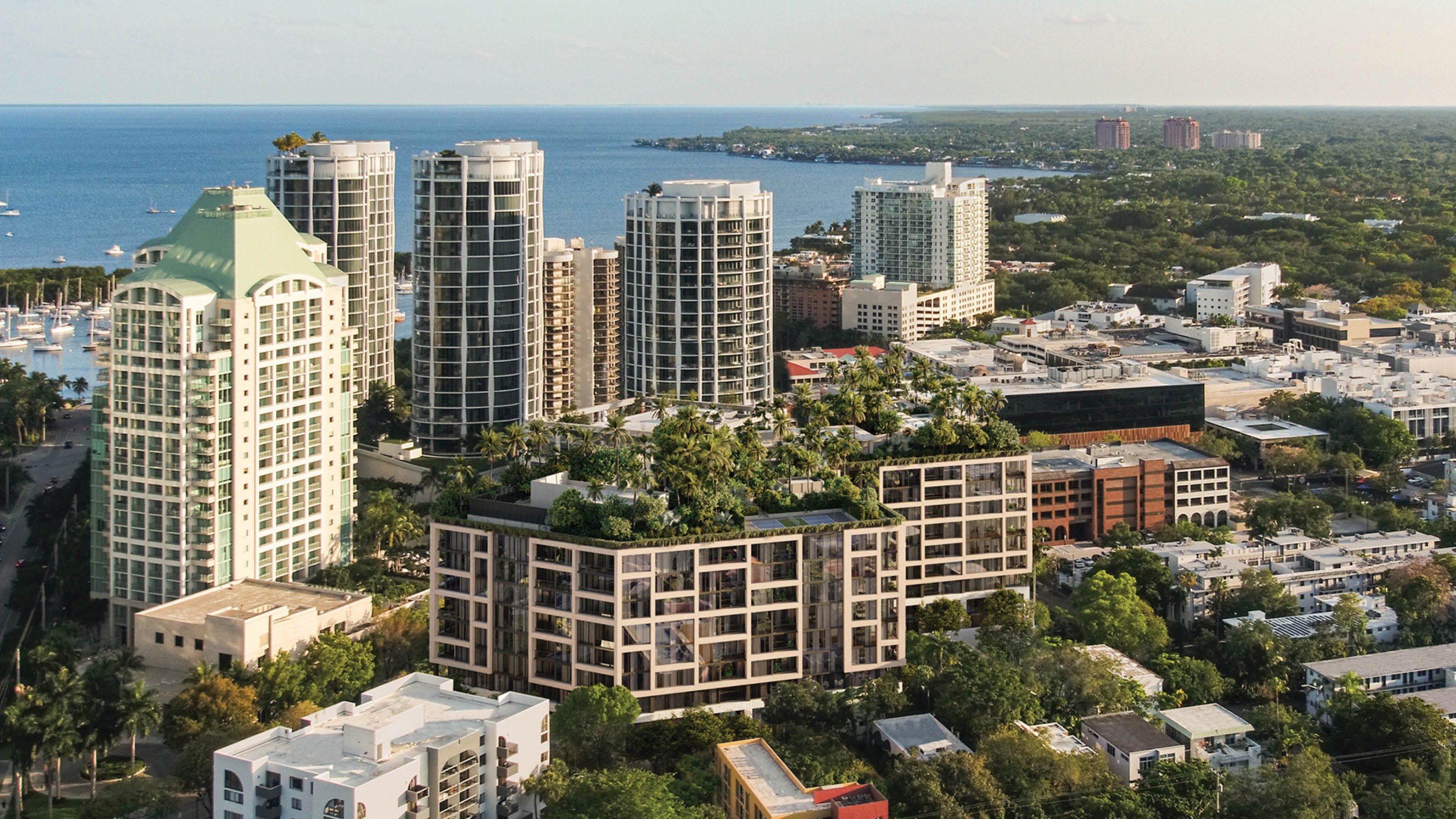
At The Well Coconut Grove, wake exposure belongs in buyer due diligence, not in the category of minor boating inconvenience. The issue is not simply whether vessels pass nearby. It is whether their movement affects privacy, service quality, outdoor wellness use, and how a future buyer may perceive the residence at resale.
The word Intracoastal often becomes shorthand for waterfront movement in South Florida. In Coconut Grove, the more precise lens is Biscayne Bay, nearby boating activity, marina conditions, mooring fields, vessel routes, and the relationship between open water and the property edge. For the Coconut Grove buyer, the task is to separate romance from rhythm: a waterview can feel alive and cinematic without necessarily creating physical disruption at the shoreline.
A luxury floor plan can read beautifully in isolation, but waterfront value is shaped outside the glass. Begin by identifying whether the residence is more exposed to open-bay movement, marina-adjacent activity, or a narrower channel condition. Each creates a different privacy and wake profile.
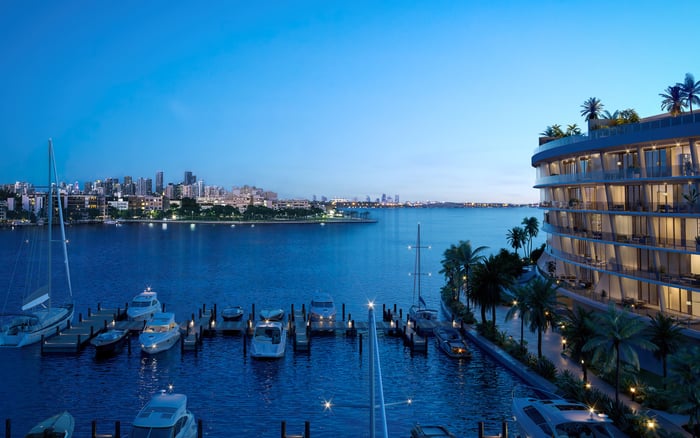
Open-bay exposure may offer breadth, distance, and visual drama. Marina-adjacent exposure may involve more frequent close-range activity and moments when boats, tenders, or guests are visually present. Narrow-channel exposure, where applicable in a broader search, can place moving vessels closer to terraces and amenity edges. The Well Coconut Grove should be evaluated through this bay-and-boating context rather than through the assumption of a classic narrow Intracoastal setting.
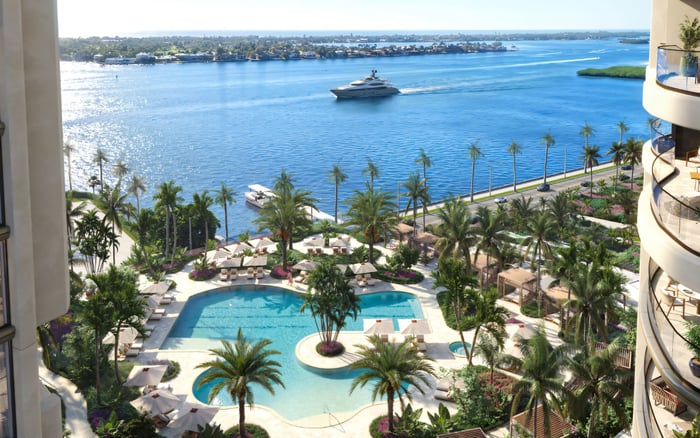
The privacy question is not simply, “Can I see boats?” It is, “Can people on boats see me?” Passing vessels may have sightlines into terraces, amenity decks, wellness spaces, pools, or waterfront-facing residences. A high-value residence can still feel exposed if its most-used outdoor areas sit within the visual path of slow-moving vessels.
Terrace-level observation is essential. Stand where daily life will actually happen: the seating area, the dining edge, the plunge or pool-adjacent zone if relevant, and the primary bedroom outlook. Notice whether the view feels layered and distant or immediate and reciprocal. A boat that appears picturesque from the living room may feel more intrusive from a lower outdoor position.
Service quality on the water is about rhythm. Wakes or vessel traffic may influence waterfront programming, tender pickups, paddleboards, kayaks, dock use, and calm outdoor wellness experiences. At a wellness-oriented address, repeated noise, motion, or visual intrusion can conflict with the expected sense of sanctuary.
That does not mean active water is inherently negative. Many buyers want life on the bay, not a static picture. The distinction is whether activity enhances the experience or interrupts it. A buyer should ask how waterfront services are expected to operate during busier boating periods and whether the property edge remains comfortable during late afternoons, weekends, holidays, or regatta periods.
Resale is where wake exposure becomes most strategic. Two residences may share a building, a view category, and a general waterfront identity, yet trade differently in buyer perception because one feels calmer, more private, or more usable outdoors. Wake, noise, and boating proximity can become micro-location variables that distinguish otherwise similar lines, views, and waterfront orientations.
Future buyers may discount a residence if the waterfront lifestyle feels compromised by movement, noise, or visual proximity. Conversely, a unit that captures bay energy while preserving privacy and calm may be easier to defend in a competitive resale conversation. Resale analysis should therefore include not only what the residence overlooks, but how the water behaves at the times buyers are most likely to use it.
The strongest evaluation combines multiple vantage points. Visit at dock level, amenity level, and residence or Terrace level when possible. Observe during ordinary weekdays, then return during late afternoons, weekends, holidays, or known boating periods if timing allows. The goal is to understand variation, not to judge the property from one quiet hour.
Separate visual boat activity from physical wake impact. A lively bay view does not always mean disruptive chop at the property edge. Watch the waterline, floating elements, dock behavior, and how sound carries. Then look up and assess whether vessel passengers have a direct view into private or semi-private areas.
Finally, compare orientations within the building as carefully as finishes. A slightly different angle may change the relationship to routes, marinas, mooring fields, and open-bay movement. For The Well Coconut Grove, that micro-reading can be as important as exposure, light, or height.
Ask practical questions in calm language. How is waterfront programming intended to function when boat traffic increases? Where are the most active vessel paths relative to the residence? Are tender pickups, paddleboards, kayaks, or dock use part of the lifestyle expectation? Which amenity areas face the most direct waterborne sightlines?
The best answers will clarify not only whether wake exposure exists, but whether it matters for the way you intend to live. A buyer seeking quiet sunrise wellness rituals may weigh the issue differently than one who values an animated bayfront scene.
Is wake exposure always a negative for The Well Coconut Grove? No. The question is whether boating activity enhances the waterfront setting or interrupts privacy, calm, and service use.
Should buyers evaluate The Well Coconut Grove like a narrow Intracoastal property? Not exactly. The more relevant lens is Biscayne Bay activity, nearby marinas, vessel routes, and open-water orientation.
What is the first thing to observe during a site visit? Start by watching the water from the places you would actually use, including outdoor seating, amenity areas, and waterfront edges.
Why does Terrace-level observation matter? Sightlines and sound can feel different outdoors than they do behind glass, especially when vessels pass at closer visual range.
Can a busy bay view still be desirable? Yes. Visual energy can be part of the appeal if it does not create disruptive wake, noise, or privacy concerns.
When should buyers visit to test boating patterns? Visit at varied times, especially late afternoons, weekends, holidays, and periods when recreational boating may increase.
How can wake exposure affect service quality? It may influence tender pickups, dock use, paddleboards, kayaks, waterfront programming, or the calm expected from wellness spaces.
Does pool privacy belong in the wake-exposure review? Yes. Pool decks and wellness areas should be checked for vessel sightlines, sound, and the comfort of outdoor use.
Why is wake exposure relevant to resale? Future buyers may compare similar residences by calm, privacy, orientation, and how usable the waterfront feels day to day.
What is the most balanced buyer approach? Separate visual boat activity from physical wake impact, then compare unit lines and orientations with repeated observation.
For a tailored shortlist and next-step guidance, connect with MILLION.
If branded residences are on your mind — as a home or as an allocation — we would be glad to share what we are seeing, privately.
Begin a quiet conversation