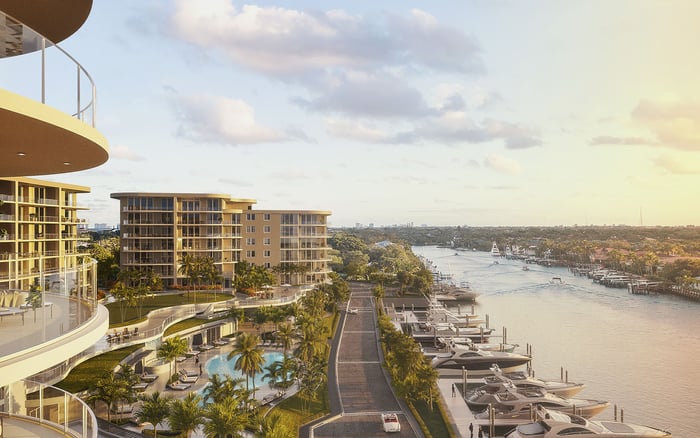
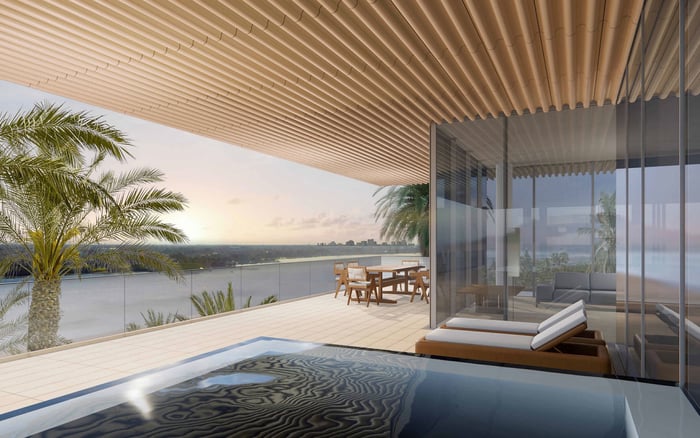
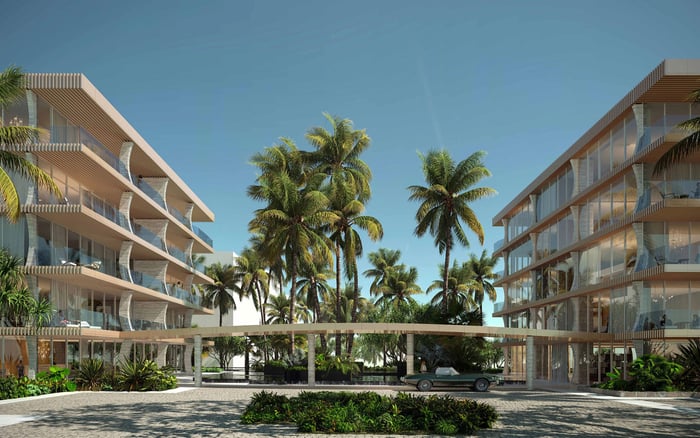
A discreet buyer’s guide to how boat-service coordination shapes the lock-and-leave appeal of Palm Beach residences, with attention to access, staffing, storage, communication, and resale logic.
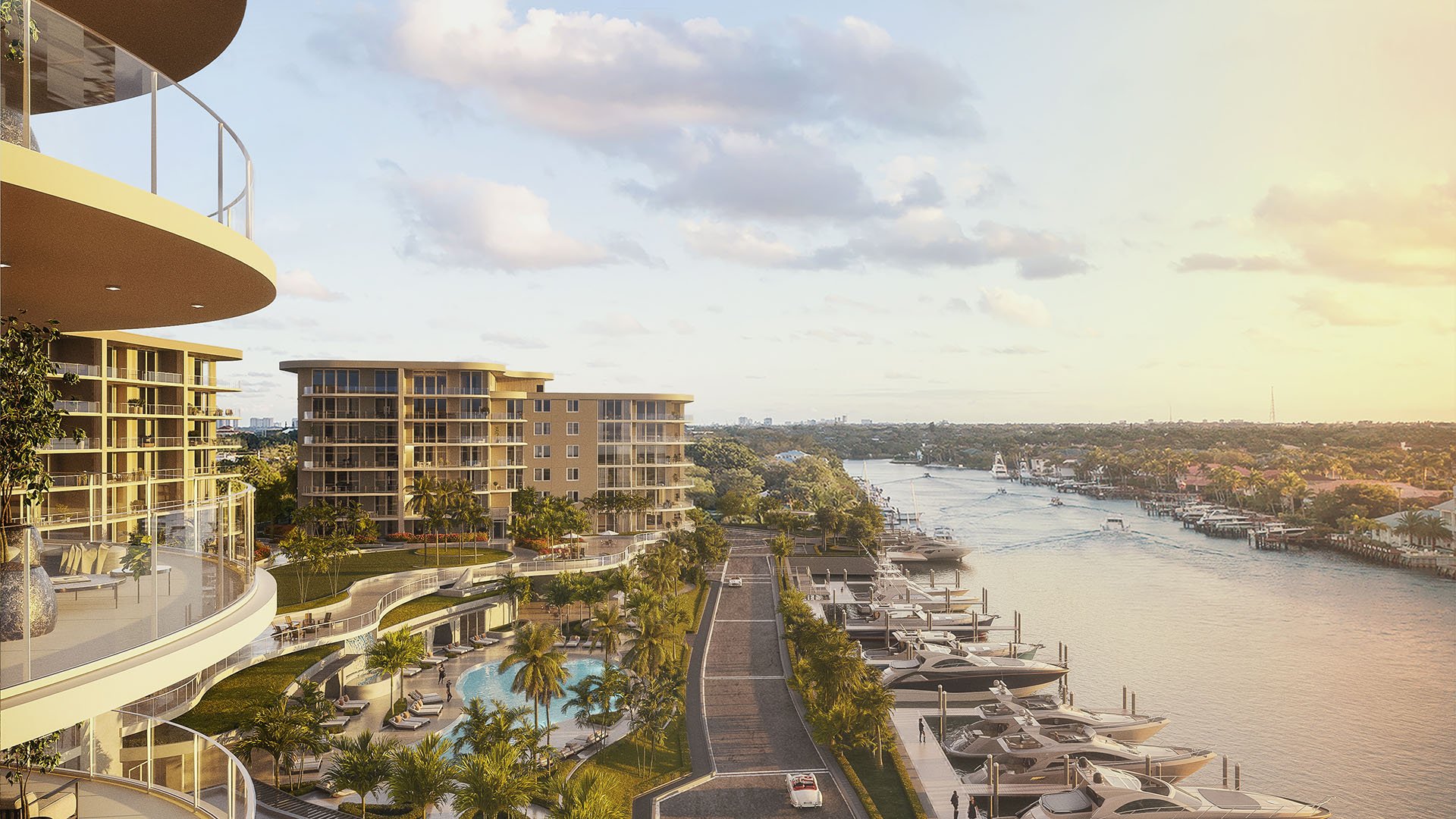
For the Palm Beach buyer, the lock-and-leave question is rarely whether a residence can be closed for a season. It is whether life resumes elegantly when the owner returns. The boat is clean, provisions are in place, the tender schedule is understood, the captain or service provider knows the plan, and the residence feels composed rather than reactivated.
That is the real standard behind boat-service coordination. It is not a decorative lifestyle promise. It is an operating system for owners moving between homes, aircraft, clubs, family schedules, and the water. In Palm Beach, where privacy is often valued as highly as view, coordination is the difference between holding a waterfront address and using it with genuine ease.
For buyers considering Palm Beach Residences, the conversation should begin with a simple question: what happens in the 48 hours before arrival? The answer reveals more than any brochure phrase. It shows whether the residence is designed for occasional presence or for a truly fluid second-home life.
Lock-and-leave is sometimes reduced to security, maintenance, and convenience. For boating owners, it is more layered. It includes the coordination of crew, cleaning, fueling, provisioning, guest timing, weather awareness, storage, service access, and communication between the residence and outside marine professionals.
A strong residence does not need to manage every marine detail directly. In many cases, it should not. The key is clarity. Owners should understand which services are handled by the property team, which require third-party providers, how those providers gain access, where items may be staged, and who confirms completion before the owner arrives.
This is especially important for families who use a Palm Beach residence intermittently. The experience should not depend on the owner making a chain of calls from another city. A lock-and-leave home should reduce friction before arrival and after departure, not merely appear serene while the owner manages complexity from afar.
For many families, the working brief reads like this: Palm Beach privacy, marina adjacency, boat-slip optionality, second-home simplicity, new-construction expectations, and waterview calm. The exact formula will vary, but the operational theme is consistent. The residence must support movement, not just occupancy.
The most revealing questions are practical. Where does a marine vendor wait? How are deliveries approved? Can the building accommodate early-morning or weekend service windows? Is there a protocol for guests arriving by car while the boat is being prepared elsewhere? Who receives updates when weather changes the plan?
Buyers should also ask about storage. Boating creates objects that do not belong in a formal foyer: towels, coolers, tackle, safety equipment, lines, shoes, and provisions. The best lock-and-leave arrangements anticipate these transitions. A beautiful residence can still be inconvenient if every boating day requires improvisation.
Communication is another test. A luxury residence should have a clear path for instructions, confirmations, and exceptions. If the owner’s assistant, captain, property manager, and concierge all participate, responsibility should not become blurred. The buyer should understand who says yes, who follows up, and who has authority when the owner is not present.
None of this requires spectacle. In fact, the best systems are often almost invisible. The owner returns, steps into the residence, and the day unfolds. That quietness is the point.
In the ultra-premium market, value is not only architectural. It is behavioral. Residences that simplify a demanding lifestyle are more persuasive because they protect time. For a buyer with multiple homes, the question is not merely where to sleep. It is which property makes arrival feel easiest, family use most natural, and ownership least interruptive.
Boat-service coordination can also shape future liquidity. A residence that supports marine life with discretion and order will speak to a narrower but highly committed buyer profile. That buyer may not be seeking a generic vacation home. They may want a base that connects household staff, water access, privacy, and seasonal rhythm without turning the owner into a project manager.
This is why details matter during due diligence. Written protocols, access policies, service relationships, storage solutions, and staff responsiveness should be evaluated with the same care as finishes and views. The marble may photograph beautifully, but operational design is what the owner feels on a Friday afternoon arrival.
A residence that handles absence well can feel larger than its floor plan. It gives back mental space. It makes the boat more usable, the weekend smoother, and the return home less ceremonial. That is the practical side of luxury.
Palm Beach buyers often prefer competence without theater. They do not necessarily want a residence that announces every service. They want one that performs quietly. The best experience is not a parade of amenities, but a sequence of well-judged decisions: the right person notified, the right area prepared, the right vendor cleared, the right privacy maintained.
This is where lock-and-leave living becomes a design philosophy. Elevators, parking, storage, lobbies, service entries, staff communication, and guest handling all affect the boating day. Even if the residence is not directly on a marina, the choreography between land and water still matters.
For buyers, the opportunity is to look beyond the phrase waterfront lifestyle and ask how that lifestyle is administered. A residence may offer beauty, but the stronger proposition is beauty that works while the owner is away. In Palm Beach, that is often the highest form of ease.
What does lock-and-leave mean in a Palm Beach residence? It means the home can be left and re-entered with minimal owner involvement, supported by clear maintenance, access, and communication protocols.
Why does boating make lock-and-leave ownership more complex? Boating adds service timing, vendor access, storage, provisioning, weather changes, and coordination between the residence and marine professionals.
Should a residence directly manage boat service? Not necessarily. What matters is whether the property has clear procedures for approved providers, access, staging, and owner communication.
What should buyers ask before purchasing? Ask how vendors enter, who approves service, where boating equipment is stored, and how arrival-day requests are confirmed.
Is a boat slip always required for a boating lifestyle? No. Some owners prioritize nearby marine access and service coordination over an on-site slip, depending on how they use the water.
How does a marina-adjacent setting affect daily use? It can reduce friction when service, boarding, and provisioning are close, but the operational protocols still need to be carefully understood.
Why is storage so important? Boating requires gear that should be accessible without disrupting the formality or calm of the residence.
Can new-construction residences offer an advantage? They may be planned with contemporary expectations for service access and owner convenience, but each property should be evaluated individually.
How should second-home buyers think about staffing? They should clarify whether their own staff, building staff, or outside vendors handle each task before and after arrival.
Does a waterview alone define the boating experience? No. The view is emotional, while coordination determines how easily the owner can actually live around the water.
To compare the best-fit options with clarity, connect with MILLION.
If branded residences are on your mind — as a home or as an allocation — we would be glad to share what we are seeing, privately.
Begin a quiet conversation