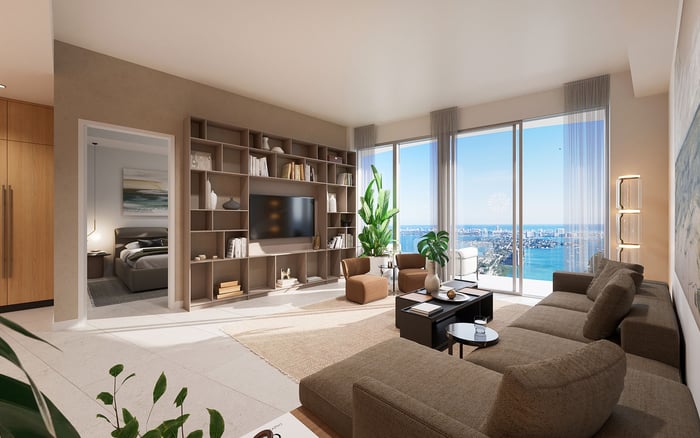
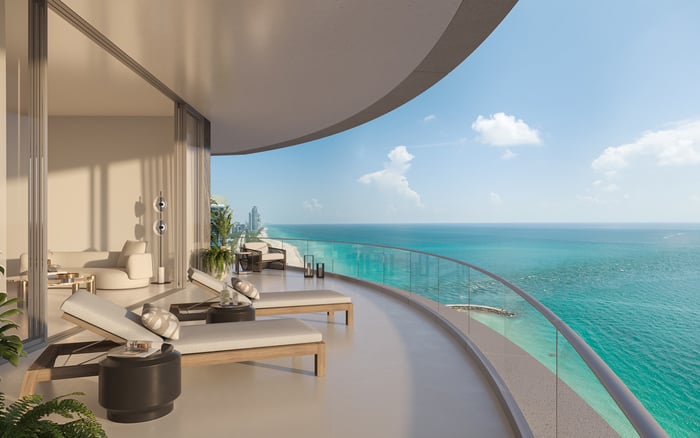
A discreet buyer’s guide to evaluating staff-room practicality at The Well Bay Harbor Islands, with emphasis on privacy, household operations, wellness routines, and long-term resale flexibility.
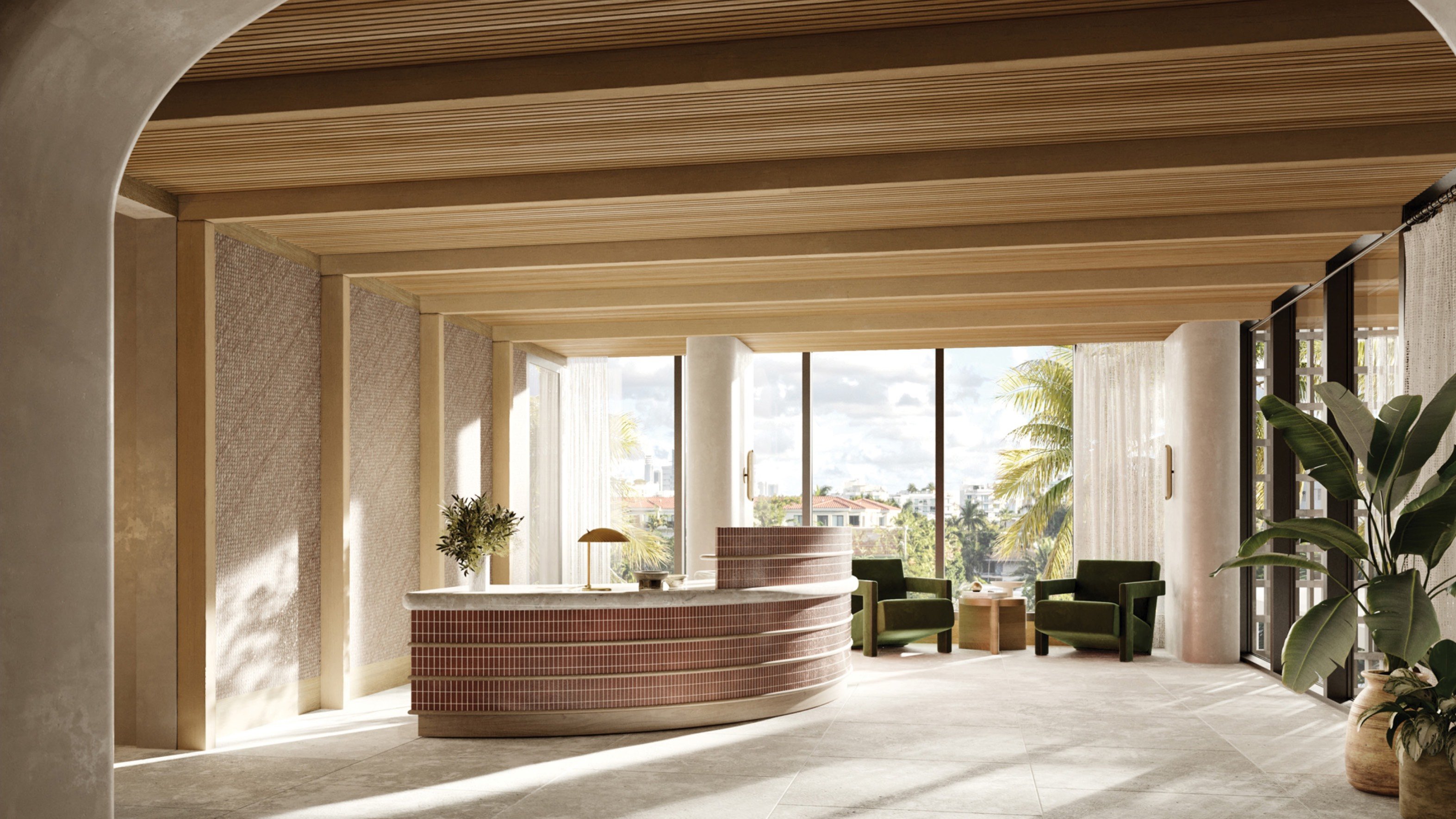
At The Well Bay Harbor Islands, the staff-room question should not begin with square footage. It should begin with how the household actually lives. In a wellness-branded luxury condominium, service planning is not merely a back-of-house detail. It is a lifestyle decision, an operational decision, and a resale decision at the same time.
For some buyers, a staff room is essential because daily life depends on a nanny, caregiver, personal assistant, or full-time household manager. For others, the better answer may be a flexible den, a guest room that can absorb occasional overnight support, or no dedicated staff accommodation at all. The distinction is not status. The distinction is use.
The Well Bay Harbor Islands sits in a market where buyers often arrive with expectations shaped by single-family estates, large urban apartments, or waterfront homes with more generous service quarters. A condominium residence requires a more disciplined lens. Every room must justify itself, not only on move-in day, but across seasons, family stages, and future resale conversations.
The phrase “staff room” can obscure more than it clarifies. A live-in nanny has different needs than a daytime housekeeper. A caregiver assisting an older parent creates a different circulation pattern than a personal trainer visiting twice a week. A wellness practitioner arriving for occasional appointments does not usually justify the same spatial commitment as someone who sleeps in the home.
The first exercise is to divide support into three categories: live-in staff, daytime staff, and occasional service providers. Live-in support requires privacy, rest, storage, bathroom access where possible, and a room that can function with dignity over time. Daytime staff may need a secure place for belongings, access to laundry or kitchen areas, and a practical route through the residence. Occasional providers often require scheduling discipline and service access more than dedicated sleeping space.
This distinction matters because premium rooms in a luxury condominium are never neutral. A secondary bedroom might serve as a staff room, guest suite, nursery, study, or resale advantage. A den may create operational ease, but it may also reduce the home-office or guest capacity another buyer will value later.
The Well Bay Harbor Islands is positioned around wellness, and that identity should shape how buyers evaluate staff accommodations. In this context, a staff room is not only about whether a bed fits. It is about whether the arrangement supports quiet, privacy, air quality, natural light, acoustic separation, and low-stress household routines.
A room used by staff should not feel like an afterthought. Adequate ventilation, usable storage, good lighting, and reasonable bathroom access matter. So does acoustic comfort. If a household depends on childcare, proximity to children’s rooms may be useful, but that proximity should not compromise the calm of the primary suite. If the role is household operations, access to the kitchen, laundry, or service circulation may be more valuable than adjacency to sleeping areas.
Wellness also argues against overstaffing the private residence when building-level amenities and services can absorb certain functions. Shared fitness, spa, wellness, and concierge support can reduce the need for some in-home service routines. That does not eliminate the need for private staff in many households, but it can change the space calculation.
A practical staff-room plan should protect the resident’s sense of sanctuary. In high-end condominium living, privacy is often more valuable than raw room count. The strongest configurations limit unnecessary movement through bedrooms, primary living spaces, and private wellness-oriented areas.
For families, this is especially important. A nanny or caregiver may need efficient access to a child’s room without passing through the primary suite. A personal assistant may need to manage deliveries, scheduling, and household coordination without becoming part of the family’s most intimate spaces. A housekeeper may need practical access to laundry or storage without disrupting the morning routine.
The location of a flexible room can matter more than its label on a floor plan. A den near the entry may support daytime operations. A secondary bedroom in a quieter wing may be better for overnight support. A room near children’s bedrooms may solve childcare coverage, but only if it preserves adult privacy. The right answer is rarely universal. It is specific to household rhythm.
When a residence does not include a purpose-built staff suite, flexible dens, secondary bedrooms, and convertible rooms become the most realistic candidates. Each comes with tradeoffs.
A den can be an elegant solution for daytime staff, occasional overnight help, or a hybrid office and service room. It may also be the first space a buyer misses when remote work, tutoring, guests, or hobbies enter the picture. In a new-construction or pre-construction purchase, the temptation is to assign a den a single use too early. A more prudent approach is to test multiple scenarios before committing to built-ins, storage walls, or millwork that narrows future flexibility.
A secondary bedroom typically offers more dignity for live-in staff, especially if bathroom access is straightforward. But using a true bedroom for staff changes the residence’s guest capacity and may affect resale positioning. Resale buyers often want optionality, and a room that can read as staff accommodation, guest suite, or office will usually be easier to explain than one over-customized for a single role.
For a second-home owner, the calculus may be different. Seasonal residents may value secure storage, service-provider access, and flexible sleeping arrangements more than a full-time staff room. If the household is only in residence part of the year, a dedicated room that sits unused for long stretches may be less valuable than a multi-purpose space.
Before assigning any room to staff use, map a normal week. Who enters the residence? At what time? What do they carry? Where do they wait, work, change, rest, or store belongings? Which family members are home during those hours? Which spaces should remain private at all times?
This exercise often reveals whether the household needs a room, a storage strategy, or a circulation strategy. It may show that a nanny requires a dedicated in-unit room, while a wellness practitioner only needs scheduled access. It may show that a caregiver requires proximity to a family member, while a personal assistant requires separation from family bedrooms. It may also show that a den is better left as an office, with occasional staff needs handled through a guest-room protocol.
Association rules should also be reviewed before final decisions are made. Live-in staff, recurring staff access, overnight stays, service-provider logistics, and building procedures can all affect the practical use of a room. Buyers should clarify these details during due diligence rather than assume that a condominium residence will operate like a private estate.
For a Bay Harbor buyer comparing The Well Bay Harbor Islands with other residences in the surrounding luxury corridor, the most sophisticated question is not whether a staff room exists. It is whether the home can support private life gracefully while allowing the necessary people to do their work.
Staff-room practicality also belongs in the resale conversation. A room that solves today’s staffing needs but narrows tomorrow’s buyer pool should be planned carefully. The safest strategy is often to preserve convertibility. Use furniture rather than permanent partitions where appropriate. Favor storage that can serve multiple uses. Avoid designing a room so specifically for one staff role that it cannot later read as a study, guest room, nursery, or wellness room.
This is where luxury discipline matters. The most valuable residences are not always the ones with the most specialized spaces. They are the ones where specialization can be reversed without compromising elegance. At The Well Bay Harbor Islands, where wellness, calm, and efficient private life are central to the value proposition, staff accommodations should enhance the household rather than announce themselves.
The goal is not to maximize back-of-house square footage. The goal is to make daily life quieter, more private, and more humane for everyone who participates in the household.
Does every buyer at The Well Bay Harbor Islands need a staff room? No. The need depends on whether the household relies on live-in, daytime, or occasional support.
Who is most likely to justify a dedicated in-unit staff room? Nannies, caregivers, and personal assistants are more likely to need dedicated space than occasional housekeepers or wellness practitioners.
Can a den function as a staff room? Yes, but converting a den can reduce home-office, guest-room, and resale flexibility.
What makes a staff room practical in a wellness residence? Privacy, ventilation, lighting, storage, acoustic separation, and bathroom access where possible are key considerations.
Should staff space be near the kitchen or bedrooms? It depends on the role. Household operations may favor kitchen or laundry proximity, while childcare may favor children’s rooms.
How should families with young children think about staff-room placement? The ideal arrangement supports childcare coverage without compromising the privacy of the primary suite.
Do building amenities reduce the need for in-home staff space? They can. Wellness, fitness, spa, and concierge support may absorb some functions that would otherwise occur inside the residence.
What should seasonal owners prioritize? Secure storage, service access, and flexible sleeping arrangements may matter more than a full-time staff room.
Are association rules important for staff planning? Yes. Buyers should review rules for recurring access, overnight stays, live-in staff, and service-provider logistics.
What is the best first step before deciding on a staff room? Map a normal week of household activity, then decide whether a staff room, guest room, office, or hybrid space creates the most value.
If you'd like a private walkthrough and a curated shortlist, connect with MILLION.
If branded residences are on your mind — as a home or as an allocation — we would be glad to share what we are seeing, privately.
Begin a quiet conversation