A restored 1930 clubhouse, Atlantic frontage, and Four Seasons service define The Surf Club’s residential appeal. For buyers, the essential distinctions lie in residence-specific privacy, access rights, and the services actually included in ownership.
The appeal of The Surf Club Four Seasons Surfside begins with something an amenity program cannot manufacture: an established identity. Occupying approximately nine acres of Atlantic oceanfront in Surfside, north of Miami Beach, the property brings together a restored social landmark and modern hotel and residential buildings. Its distinction is not simply that hospitality accompanies ownership, but that both occupy a place with a history of seaside recreation and social life.
For a buyer, that combination warrants more than a checklist of pools, dining, and concierge services. The central proposition is the relationship between a preserved 1930 clubhouse, a residential retreat, and the practical support of Four Seasons. Privacy belongs in that assessment, but as a residence-specific question-not a promise automatically attached to the address.
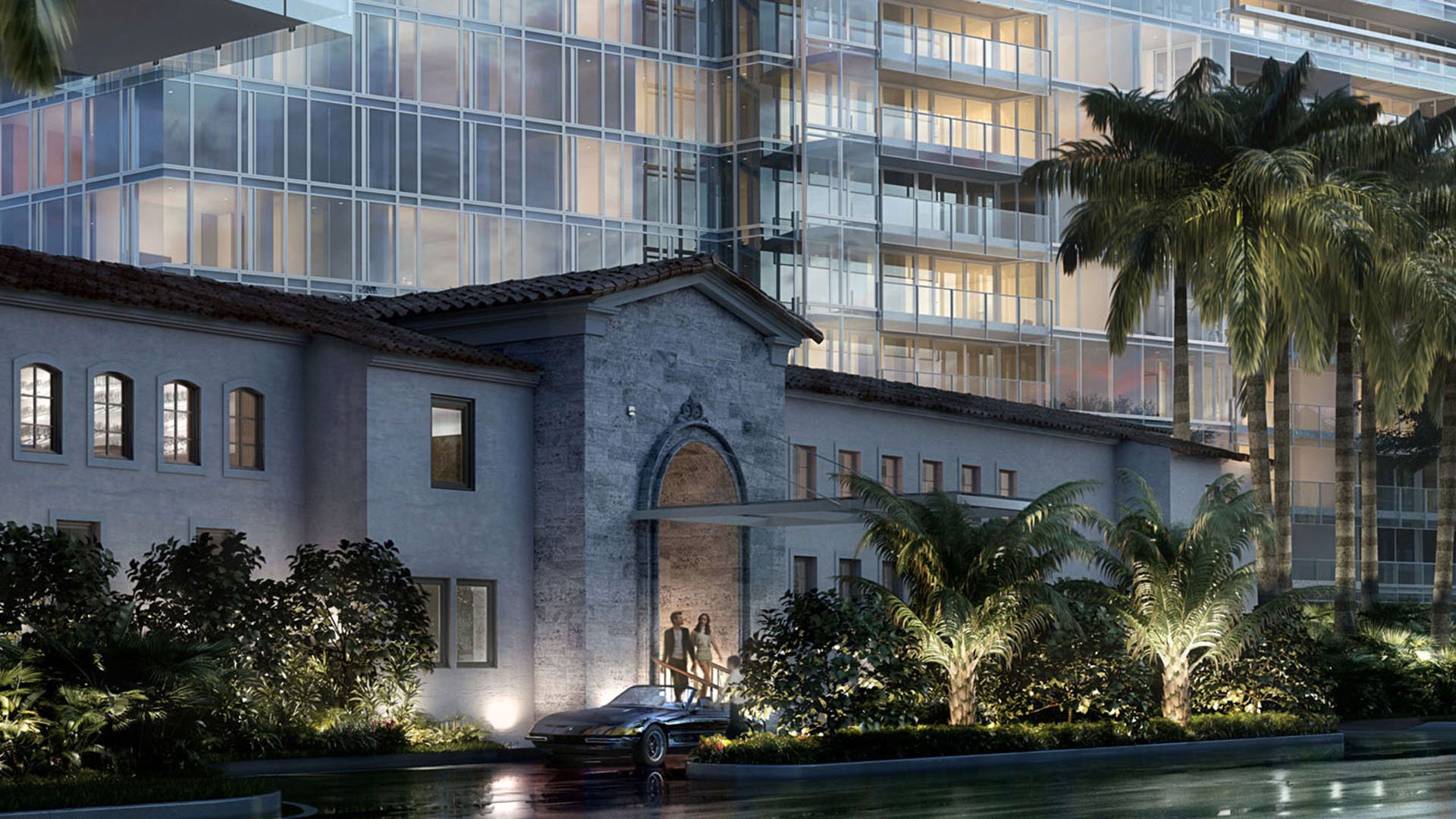
The original private club opened on New Year’s Eve 1930. Architect Russell T. Pancoast designed its Mediterranean Revival clubhouse and beachside cabanas, establishing an architectural identity that remains central to the property. Visits by world leaders, artists, and Hollywood figures place the club within South Florida’s cultural memory, not merely its development history.
The club closed in 2013 before restoration and redevelopment. Today, the historic clubhouse houses the hotel lobby, Lido Restaurant, Champagne Bar, and ballroom. Its main corridor, Peacock Alley, retains a named connection to the original club within a working contemporary property.
For an owner, the historic building is more than a backdrop. It houses spaces that can become part of daily life. An arrival, a meal, or an evening drink takes place within the property’s architectural history, giving the residential experience a character that extends beyond the private apartment.
The residential towers rise 12 stories alongside the historic club, while Four Seasons operates a 77-room hotel within the complex. Understanding the relationship among these components is essential: hotel activity, residential life, and historic gathering spaces coexist, but their access arrangements should not be assumed to be identical.
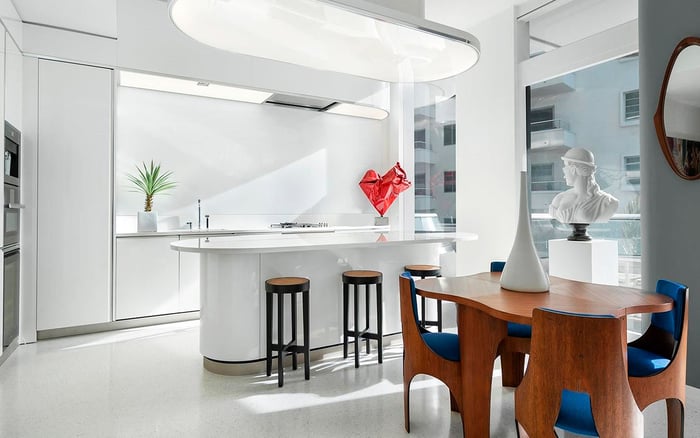
Residential layouts extend to six bedrooms and roughly 7,800 square feet. Those upper limits indicate the potential scale of a home here, not the dimensions of every offering. Kitchens were specified with double ovens and side-by-side double dishwashers-practical details worth examining for buyers who entertain or accommodate extended family.
Residential totals vary, with figures including approximately 119 private residences and a separate classification of 30 hotel residences and 121 private residential apartments. Rather than treating either historical count as definitive, buyers should establish the legal classification and ownership terms of the particular home under consideration. Its actual layout, condition, and documentation matter more than a headline inventory figure.
Four Seasons service is a substantial part of the appeal, but availability and inclusion are different propositions. Hotel offerings include 24-hour concierge and in-room dining, twice-daily housekeeping, valet parking, laundry, dry-cleaning, pressing, and babysitting. These describe the hospitality operation; they do not establish that every service is included in residential ownership or covered by recurring owner charges.
Residential owners have access to hotel-style amenities and services, including pools, gardens, spa facilities, and dining, subject to applicable ownership terms. The useful questions are specific: Which services are available to this residence? Which require separate payment? What access extends to family members or guests?
These distinctions should also inform comparisons with Fendi Château Residences Surfside. Brand recognition can frame a search, but the ownership agreement determines the experience. At The Surf Club, buyers should evaluate the historic setting and service relationship together, without allowing either to substitute for a careful review of the other.
The hotel fronts Surfside’s Atlantic beach, where loungers, umbrellas, beach service, dining, and refreshments are available. That serviced beachfront experience is a meaningful convenience. It is not evidence of a legally private beach, nor does it establish the same degree of seclusion for every residence.
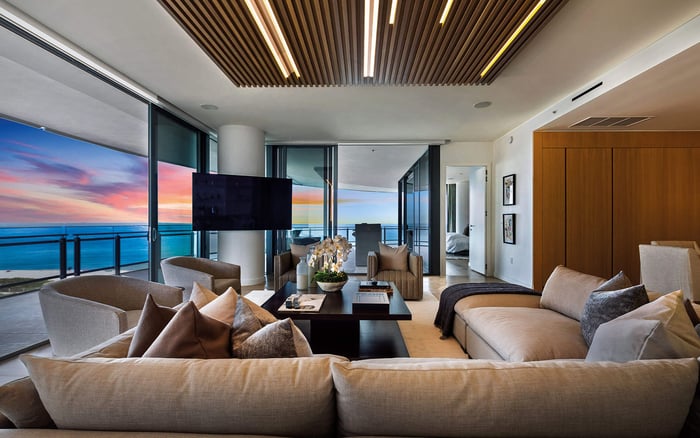
Privacy should be evaluated through tower placement, sightlines, and movement between the home and shared spaces. During a viewing, examine the outlook from principal rooms, the relationship to neighboring residences, and the routes connecting residential arrivals with hotel and amenity areas. Confirm elevator and lobby access controls rather than inferring them from the property’s positioning.
A buyer also considering Arte Surfside can apply the same discipline: assess the individual home rather than treating the neighborhood or building name as a guarantee of discretion. At The Surf Club, the question is how comfortably a particular residence balances access to a social hospitality setting with the ability to withdraw from it.
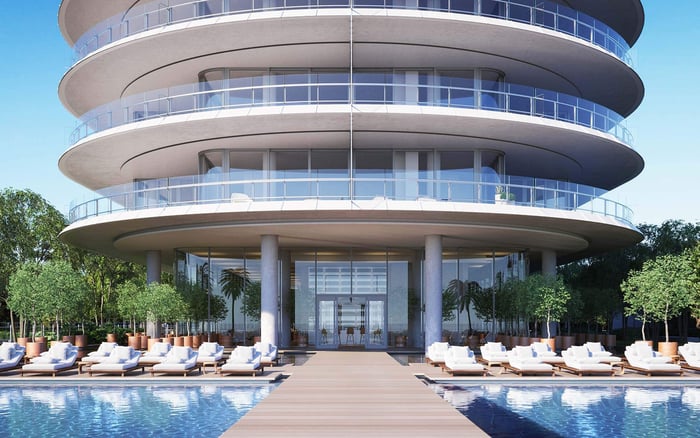
The pool offering includes a heated pool and private cabanas equipped with air conditioning, tropical-rattan furniture, terrazzo floors, and full bathrooms. These details suggest how an afternoon can unfold without repeated trips indoors, although residential eligibility, reservation arrangements, and charges should be confirmed.
The spa, designed by Parisian interior architect Joseph Dirand, includes six indoor treatment rooms, two spa cabanas, and a Turkish hammam. Alongside the beach, gardens, and dining, it adds another dimension to life on the property. The buyer’s task is to distinguish facilities that will see regular use from those that simply enrich the presentation.
For some households, beach service will be the defining convenience. For others, dining close to home or access to spa facilities will matter more. A visit should test those priorities against actual routines, including guest use and applicable access rules.
For a second-home buyer, the prospect of returning to an established hospitality setting is compelling. Yet ease of use requires practical confirmation: service eligibility, housekeeping arrangements, arrival procedures, and applicable fees all deserve attention before purchase. A beautiful setting does not eliminate the need to understand how a home will be operated between visits.
The final decision should align three elements: the residence itself, the contractual service relationship, and the desired level of privacy. The Surf Club’s preserved history and Atlantic setting establish its identity. Whether a particular home delivers the right balance depends on details that deserve the same attention as its views and interiors.
For a considered approach to ownership at The Surf Club and across South Florida, connect with MILLION.
If branded residences are on your mind — as a home or as an allocation — we would be glad to share what we are seeing, privately.
Begin a quiet conversationThe property occupies approximately nine acres of Atlantic oceanfront in Surfside, north of Miami Beach.
The original private club opened on New Year’s Eve 1930, centered on seaside recreation and social life.
Architect Russell T. Pancoast designed the original Mediterranean Revival clubhouse and beachside cabanas.
The clubhouse houses the hotel lobby, Lido Restaurant, Champagne Bar, and ballroom. Its historic main corridor is known as Peacock Alley.
Four Seasons operates a 77-room hotel within the complex, and the residential towers rise 12 stories alongside the historic club.
Residential layouts reach six bedrooms and roughly 7,800 square feet. Buyers should verify the dimensions and configuration of the particular home they are considering.
Published totals differ, including approximately 119 private residences and a separate classification of 30 hotel residences and 121 private residential apartments. Confirm current classifications and inventory directly.
No automatic inclusion should be assumed. Residential service eligibility, separate charges, and what owner fees cover depend on the applicable ownership terms.
Beachfront service does not establish a legally private beach. Residential privacy also depends on placement, sightlines, and access controls.
The spa includes six indoor treatment rooms, two spa cabanas, and a Turkish hammam, while pool amenities include a heated pool and private cabanas. Buyers should confirm residential access arrangements and charges.