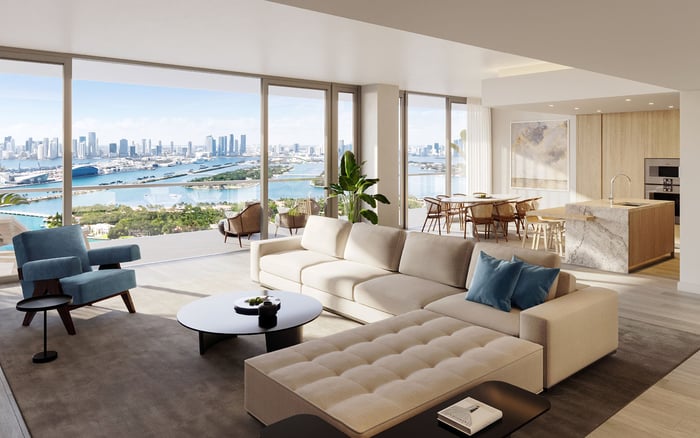
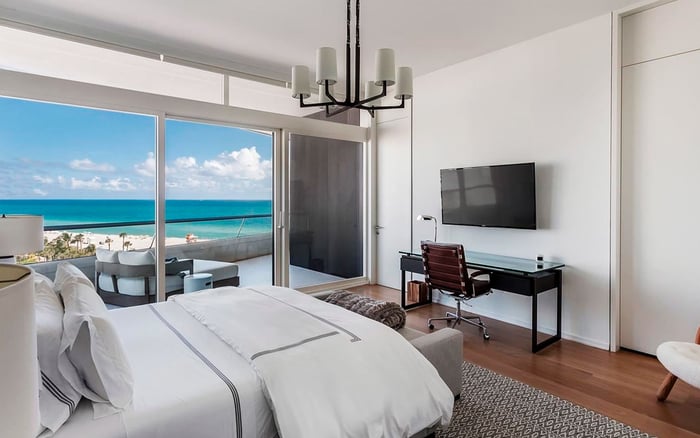
For seasonal buyers, the right South Florida condo should support the full social calendar, not merely offer an impressive address. This guide frames club proximity as a practical measure of access, privacy, flexibility, and repeatable enjoyment during Design Miami season.
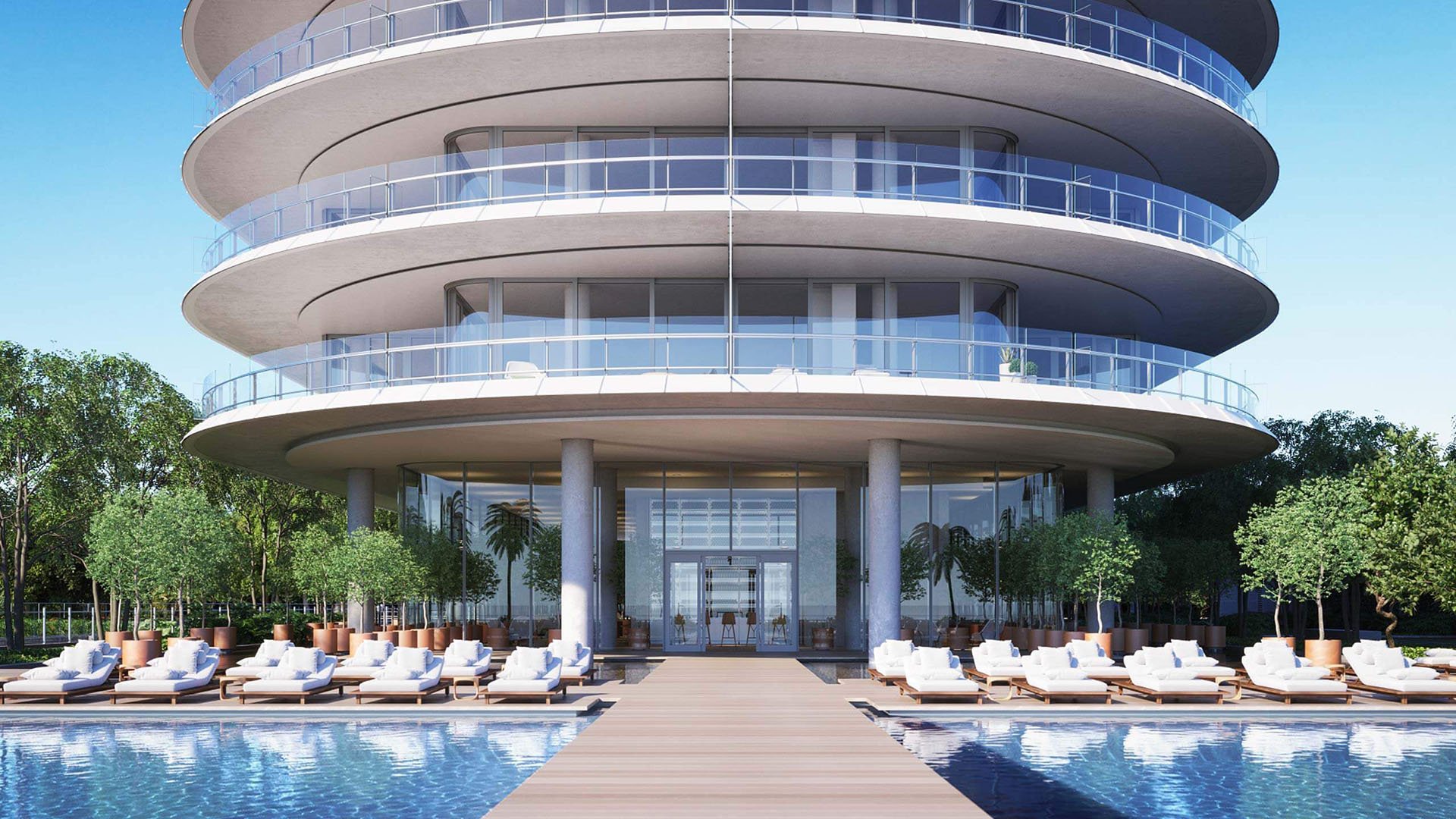
Design Miami can sharpen a buyer’s understanding of how a South Florida residence will function in practice. The ownership decision extends to dinners, private gatherings, wellness appointments, beach time, and the return home after a full evening. A beautiful condominium outside the buyer’s habitual circuit can feel less compelling with every stay.
Club proximity should therefore be evaluated as a pattern of access, not a simple measure of distance. The relevant question is not whether a favored club appears close on a map, but whether the journey feels predictable, discreet, and effortless at the times when the owner and guests will actually make it.
The priority is clear: define the seasonal routine before comparing towers, views, or finish palettes.
The word can describe several distinct anchors. One buyer may prioritize a private social setting for dinners and introductions. Another may value beach service, wellness programming, racquet facilities, or a dependable place to meet visiting friends. Some households need one principal club; others circulate among several venues.
Begin with three categories: essential, frequent, and occasional. An essential destination should be convenient enough for repeated use without advance planning. A frequent destination can justify a longer journey. An occasional destination should not dictate the condo purchase.
Examine access beyond the owner’s membership. Guest procedures, family use, arrival protocols, parking, driver staging, and seasonal operating patterns can all shape daily convenience. These details belong in the same conversation as residence layout and building service.
A buyer whose calendar centers on the Design District may prefer to begin the search nearby. Kempinski Residences Miami Design District is one project to include in that viewing set. The objective is not to assume the nearest option is automatically best, but to determine how directly an address supports the buyer’s preferred routine.
Miami Beach presents a different lifestyle base for comparison. Shore Club Private Collections Miami Beach provides a relevant reference for a beach-based search.
The choice between these bases should not be reduced to prestige. Ask where mornings begin, where evenings usually end, and whether the household prefers to host at home or meet elsewhere. A second home that complements those habits will generally feel more intuitive than one selected around a single marquee week.
Once the preferred corridor is clear, assess the residence as an operating base. Arrival should feel composed even when several plans overlap. Consider how residents, guests, staff, deliveries, and drivers move through the property. Review storage for seasonal wardrobes, secure space for valuables, package handling, housekeeping access, and the ease of closing the home between visits.
For a Miami Beach shortlist, consider The Perigon Miami Beach and The Ritz-Carlton Residences® South Beach while evaluating how each location would shape the rhythm of the week.
Do not let the volume of amenities obscure practical fit. A long list of shared spaces matters less when the building’s service model, privacy profile, or residence plan conflicts with how the owner entertains and travels.
Test the journeys under realistic conditions. Begin at a prospective building, travel to the places that matter, stay through the period you would normally spend there, and return as you would after dinner or an event. Repeat the exercise at different hours rather than relying on a single favorable trip.
Consider the entire experience: ease of departure, alternative routes, arrival sequence, valet or driver coordination, and the transition back into the residence. If the home will accommodate family or guests, test how the circuit works for them as well; their schedules may differ from the owner’s.
This is a lifestyle decision with an investment dimension. Convenience can strengthen personal use, but the acquisition should still be assessed through price, carrying costs, ownership rules, and the buyer’s intended holding period. Club access should refine the decision, not replace financial and legal diligence.
Score each candidate across five considerations: access to essential clubs, access to cultural and dining plans, privacy, lock-and-leave operation, and residence quality. Weight each category according to actual use. A collector who hosts may emphasize entertaining space; a buyer who spends most evenings out may favor effortless arrivals and a calm retreat.
The best selection is rarely the property that wins every category. It is the one whose trade-offs remain acceptable after the glamour of the season recedes. Design and architecture may inspire the search, but repeatable convenience turns a seasonal purchase into a residence used with pleasure.
What does club proximity mean for a condo buyer? It means dependable access to the private, beach, wellness, or social venues that shape the owner’s routine-not merely a short mapped distance.
Should I choose the closest condo to my principal club? Not automatically. Compare route reliability, building privacy, residence quality, and the ease of returning home at the hours you expect to travel.
Is the Design District or Miami Beach the better base? The answer depends on where your days begin and evenings end. Choose the base that minimizes friction across the full seasonal calendar.
How should I test travel time before buying? Make the journey from each finalist at several realistic hours, including the return trip. Test the experience using the transportation you will normally choose.
Do guest policies matter when evaluating a club? Yes. Confirm how family, houseguests, and visiting colleagues may enter and use the venue before treating it as part of the household routine.
What building features matter most for seasonal ownership? Prioritize privacy, secure storage, package handling, housekeeping access, guest arrival, and straightforward procedures for extended absences.
Should a club membership influence resale expectations? Treat membership as a personal-use advantage unless its relationship to the property is formally documented. Keep lifestyle value separate from resale assumptions.
How many projects should make the final shortlist? Retain enough candidates to compare meaningful trade-offs without diluting attention. Each finalist should satisfy the essential location and operating criteria.
When should legal and financial diligence begin? Begin before emotional preference hardens into a decision. Review ownership rules, costs, contracts, and relevant membership terms with qualified advisers.
What is the final question to ask before purchasing? Ask whether the residence will still feel convenient and restorative after the major events conclude. The strongest choice supports ordinary seasonal days as well as celebrated nights.
If you'd like a private walkthrough and a curated shortlist, connect with MILLION.
If branded residences are on your mind — as a home or as an allocation — we would be glad to share what we are seeing, privately.
Begin a quiet conversation