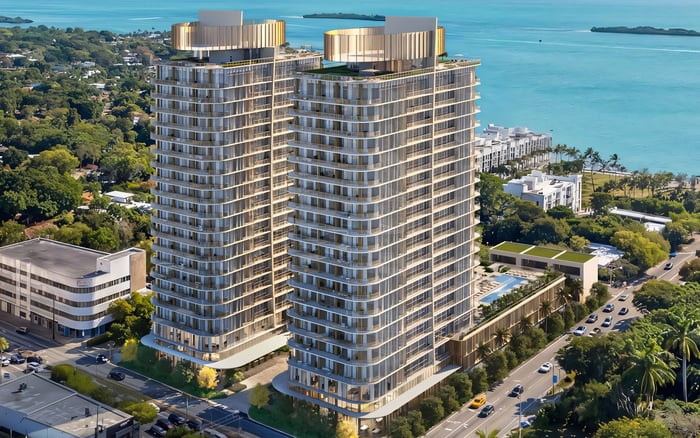
For seasonal buyers considering Setai and Kempinski, discretion starts with understanding the offering. Separate resale status, negotiated showing safeguards, financial qualification, and residence-specific occupancy rules before committing to a private purchase.
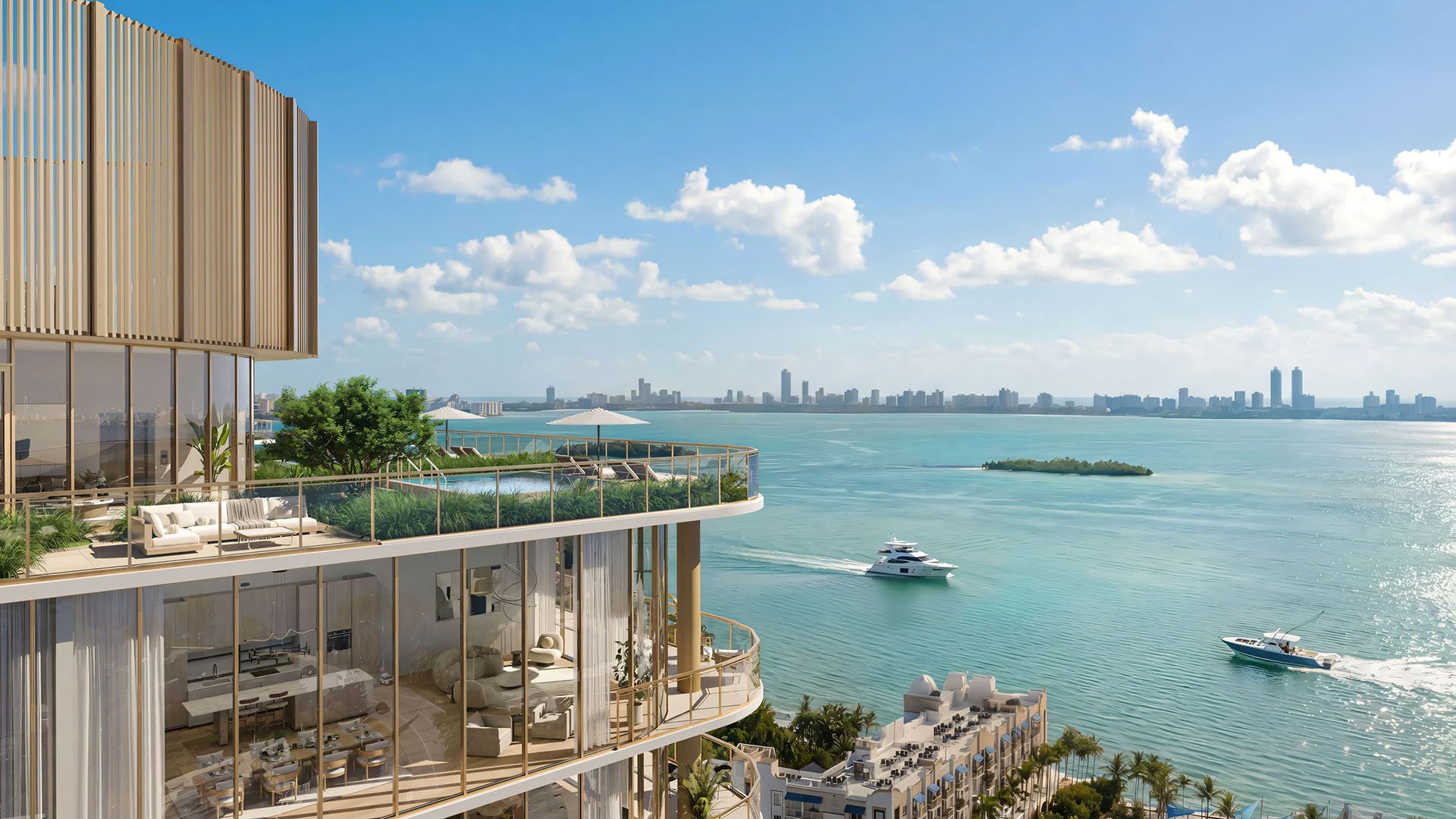
For a seasonal buyer, the most valuable luxury is certainty: knowing when a residence can be used, who may enter it, and what information must be shared to secure it. At Setai Residences Miami Beach and Kempinski Residences Miami Design District, those questions deserve attention before a private viewing becomes a negotiation.
Distinguish the residence itself from its operating rules and the seller’s preferred transaction process. A discreet introduction does not establish a formal off-market program. Financial qualification does not establish purchase approval. Nor does a hospitality identity, by itself, determine whether an owner can rent, accommodate guests, or arrange showings while away.
The buyer’s brief should therefore go beyond budget and bedroom count. It should specify intended months of occupancy, possible rental participation, family access, and expectations for confidentiality.
Located at 101 20th Street in South Beach, Miami Beach, Setai Residences Miami Beach includes hotel-oriented suites and privately held Ocean Suites. For a seasonal purchaser, the specific unit’s ownership and operating structure are threshold questions, not details to resolve after agreeing on price.
Before comparing offerings, request confirmation of unit classification, rental-program participation, and service costs. Ask which arrangements apply today, which would continue after a sale, and which would require a separate agreement. Two listings under the same property name should not be assumed to carry identical rental permissions or operating commitments.
Then test the seasonal calendar against current management and association rules. Can the owner reserve the intended dates? Are there conditions on guest occupancy? If rental participation is contemplated, what terms govern owner use and availability? These questions require answers from the representative and management; the address alone confers no such permissions.
Setai also has publicly marketed resale opportunities. An individual seller may favor quiet exposure, but that does not make the building exclusively off-market or establish a uniform private-sale procedure.
At Kempinski Residences Miami Design District, the offering comprises two towers containing 132 private residences and six townhomes, with 17 guest suites reserved exclusively for residents. Those guest suites are separate from the residence and townhome inventory. Their presence should not be read as permission to rent an owner’s home or accommodate visitors without conditions.
The first transaction question is whether the opportunity is a developer offering or an owner resale. Private-residence marketing does not establish completed resale availability. A private inquiry channel is likewise no evidence of a formal off-market resale program or guaranteed confidentiality.
The project’s contact address is 455 NE 38th Street, Miami, FL 33137. Confirm the specific residence’s legal address in the purchase documents rather than treating the contact address as definitive. Current availability and access requirements can be requested directly at 305-614-3134.
Ask the representative to identify the seller, the nature of the offering, and the documents governing the proposed purchase. That foundation matters more than the exclusivity implied by an introduction.
For either property, buyer and seller can explore a staged disclosure process. A redacted offering summary might precede disclosure of the unit number. A confidentiality agreement might define permitted recipients. A seller might authorize the release of identifying details only after the buyer’s representative has established serious interest. These are potential negotiated safeguards, not established building requirements.
Before providing financial records, ask who will receive them, what they must contain, and how they will be retained. Discuss whether a narrowly tailored financial confirmation or redacted documentation would be acceptable. The aim is to provide sufficient evidence for the transaction without unnecessary circulation of personal information.
Showing arrangements deserve equal precision. Propose agreed attendees, a defined appointment window, photography restrictions, and clear terms for forwarding floor plans or interior images. Ask who must authorize access if the residence is occupied or participating in a rental arrangement.
For an owner selling while away, put access instructions in writing. Identify who coordinates entry, how much notice is requested, and what happens when a showing conflicts with owner or guest use. None of these preferences should be presented as binding until the appropriate parties accept them.
Separate qualification into three questions. First, what evidence does the seller request before sharing sensitive information or allowing access? Second, what contractual and administrative steps must the purchaser complete? Third, what rules govern use once ownership begins?
A proof-of-funds request may be negotiated as part of screening, but there is no basis here for assigning either property a universal pre-showing financial threshold. For Kempinski, do not presume a minimum liquid-asset requirement, mandatory board interview, or guaranteed buyer-acceptance standard.
Request current requirements in writing, including who makes each decision and when supporting documents are due. Have counsel distinguish seller preferences from obligations in the purchase agreement or governing documents. Neither a successful viewing nor a well-supported offer confirms that every approval or seasonal-use question has been resolved.
Translate lifestyle expectations into a practical ownership schedule. Specify when the residence should be available to the owner, whether relatives may visit independently, and whether rental income is part of the plan. Then request residence-specific answers rather than a general description of services.
At Setai, this means reviewing rental-program terms, association rules, and service costs together. At Kempinski, ask how access to the resident-only guest suites would be arranged and what conditions would apply. The existence of those suites does not establish availability, pricing, booking priority, or occupancy terms.
Include the eventual sale in that calendar. If privacy matters during ownership, decide what access you would be comfortable granting a future buyer while you are away. Evaluate seasonal convenience and resale flexibility together, without assuming either is assured.
If the search also includes The Ritz-Carlton Residences® Miami Beach, apply the same questions independently. Do not carry rental rules, showing arrangements, or qualification expectations from one address to another.
Before committing, assemble a residence-specific decision file: offering type, legal identity, operating arrangements, answers on intended use, requested financial evidence, and agreed privacy protections. Record unresolved points as conditions to clarify, not benefits to assume. The strongest seasonal purchase is one whose documented terms support the life the buyer intends to lead.
For a discreet conversation about your seasonal ownership priorities, connect with MILLION.
If branded residences are on your mind — as a home or as an allocation — we would be glad to share what we are seeing, privately.
Begin a quiet conversationSetai Residences Miami Beach is located at 101 20th Street in South Beach, Miami Beach.
Setai includes hotel-oriented suites and privately held Ocean Suites. Buyers should establish the specific unit’s ownership structure, rental-program participation, and service costs before comparing offerings.
No. Setai has publicly marketed resale opportunities, even though an individual seller may choose a discreet offering process.
No. A private inquiry channel does not establish a formal off-market resale program, completed resale availability, or guaranteed confidentiality.
The offering describes two towers containing 132 private residences and six townhomes. It also includes 17 guest suites reserved exclusively for residents, separate from that inventory.
The project lists 455 NE 38th Street, Miami, FL 33137 as its contact address. Confirm the specific residence’s legal address in the purchase documents.
A universal pre-showing threshold is not established for either property. Ask what evidence the particular seller requests and how it will be handled.
Buyers and sellers can explore confidentiality agreements, staged disclosure, agreed attendees, and photography restrictions. These are possible negotiated safeguards, not established building requirements.
Confirm owner-use conditions, guest occupancy, rental participation, and showing access for the specific residence. At Setai, current rental-program terms and association rules should be checked with management.
Contact the project directly at 305-614-3134. Clarify whether the opportunity is a developer offering or an owner resale before proceeding.