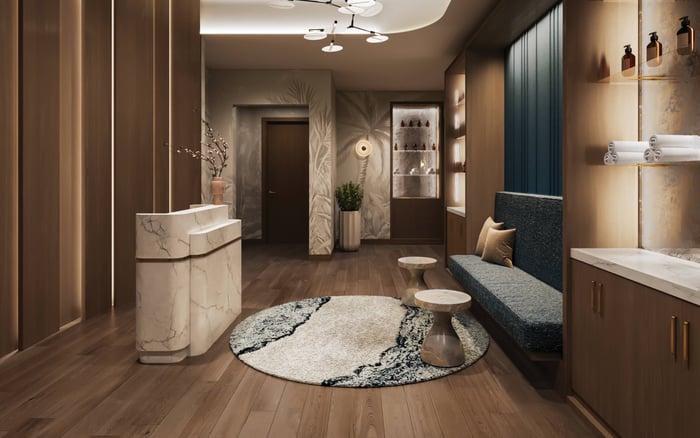
A discreet buyer guide to evaluating The Ritz-Carlton Residences® West Palm Beach through the lens of staffed household operations, privacy, circulation and daily lifestyle design.
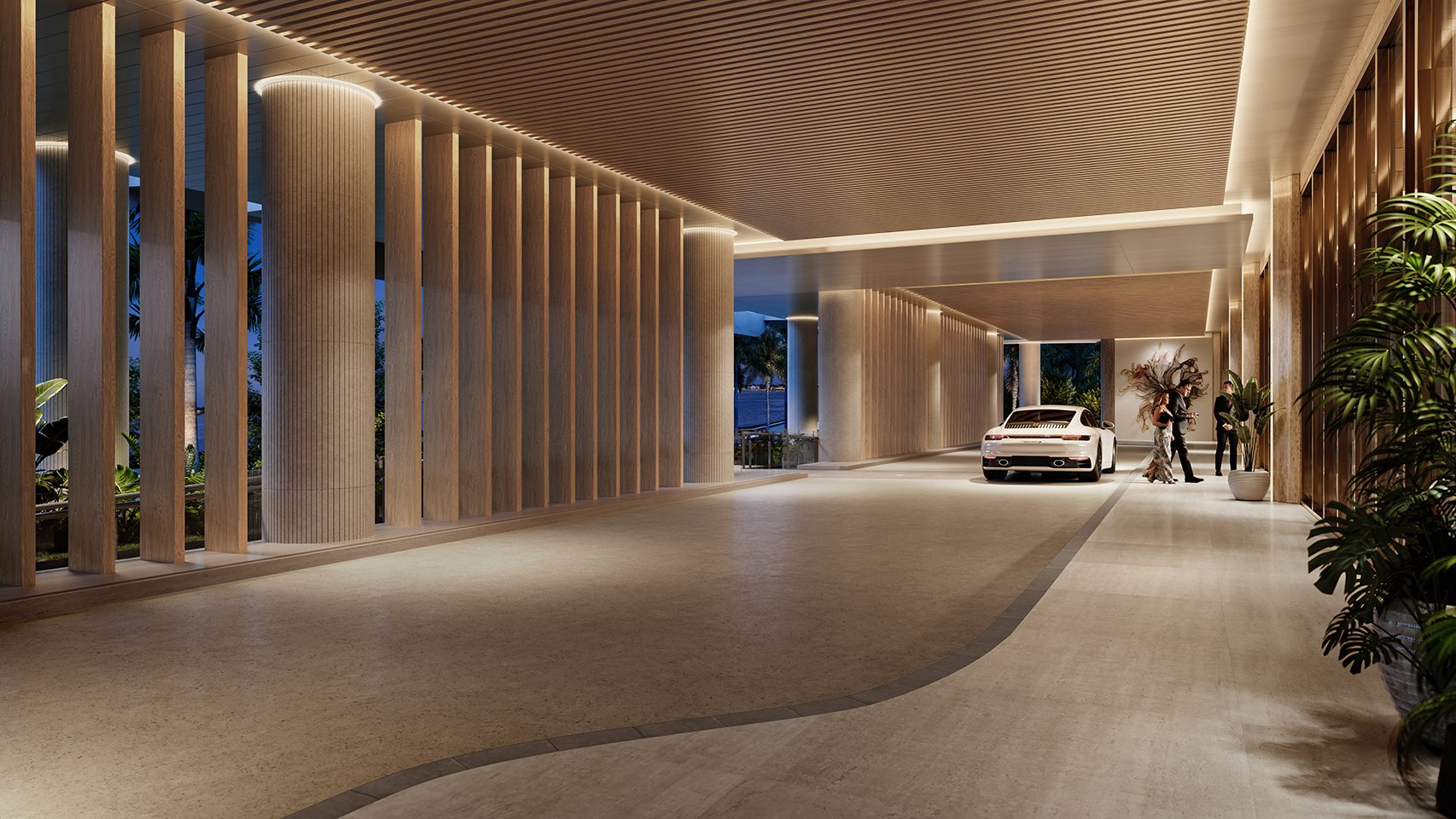
For many ultra-premium buyers, the question is no longer simply whether a residence is beautiful. It is whether the home can perform gracefully under the demands of real life. At The Ritz-Carlton Residences® West Palm Beach, that distinction matters because the buyer may be evaluating not just a residence, but a daily operating system for principals, children, guests, nannies, chefs, drivers, assistants, housekeepers and security personnel.
The Ritz-Carlton Residences® West Palm Beach belongs in a category where private residential life and building-level service must work together. For households accustomed to estate living, the comparison is especially useful. A traditional estate may provide more direct control over service areas and private routines. A vertical branded residence requires the same level of intention, expressed through residence layout, building protocols and coordinated daily use.
That is why the most sophisticated buyers should begin due diligence with function, not marble. The real luxury is the ability for the day to unfold without unnecessary friction.
A Ritz-Carlton-branded residence brings expectations around hospitality, polish and building-level service. Yet hotel-style service and private household staffing are distinct layers. One is the residence’s service culture. The other is the owner’s private operating structure. For staffed households, the purchase decision should focus on whether those two layers can work together without confusion, overlap or exposure.
A family with a private chef needs more than an attractive kitchen. The household needs clarity on delivery handling, vendor clearance, service access, waste movement, storage patterns and whether meal preparation can continue while owners entertain or children move through the home. A family with a nanny needs to evaluate school routines, child privacy, elevator movement and how caregivers enter and exit the residence. A principal with a driver or security detail should understand parking, waiting protocols and the building’s approach to approved staff.
This is where discretion becomes practical rather than poetic. Privacy is not only about views or distance from neighbors. It is about who sees whom, when, and under what circumstances.
For buyers with live-in or daily staff, the floor plan should be read like a choreography diagram. The strongest residences separate family life, entertaining, kitchens, laundry zones and private bedrooms in a way that allows staff to support the household without becoming visible at every moment.
Look closely at the relationship between the entry sequence and the kitchen. Can a chef or housekeeper reach the work zone without crossing the primary entertaining area? Is there a natural way to receive florals, groceries, wine, wardrobe deliveries or event rentals? Are laundry and utility functions positioned for real daily use, or are they visually convenient but operationally awkward?
The same analysis applies to bedroom placement. Staff-friendly separation does not mean coldness. It means the household can maintain warmth and privacy at the same time. Children can be cared for without every movement passing through formal rooms. Guests can arrive without encountering the mechanics of the home. Owners can retreat while the residence continues to function.
In a condominium, a staffed household depends as much on building operations as on interior square footage and finishes. The most important questions are often the least glamorous: How does staff enter? How are vendors cleared? Where do staff wait if they are not inside the residence? How are deliveries staged? What happens during private events? How does the building handle housekeeping, chef activity and security coordination without disrupting owners?
These questions should be asked early, before emotional attachment to a view or finish package takes over. A residence may be architecturally compelling, but if service circulation is unclear, daily life can become inefficient. Conversely, a well-run building can make a residence feel calmer because operational details have a place.
Buyers comparing The Ritz-Carlton Residences® West Palm Beach with other West Palm Beach offerings such as Alba West Palm Beach, Forté on Flagler West Palm Beach and Mr. C Residences West Palm Beach should not only compare design language. They should compare the lived mechanics of ownership.
The Palm Beach estate model is familiar to staffed households because it may have a visible service logic: separate arrival patterns, dedicated work areas, staff rooms or a private office for household management. In a branded residence, those elements are translated into protocols, circulation, elevator strategy, reception procedures and management culture.
That translation can be highly appealing for owners who want a more lock-and-leave rhythm. But it also requires clarity. A private estate gives owners broad control. A condominium introduces shared systems, rules and building standards. For the right buyer, that structure can be liberating. For the wrong one, it can feel constrained.
The key is to understand which parts of the household’s lifestyle require control, and which parts are better supported by a brand-managed environment. A discreet buyer will map both before making a commitment.
The West Palm Beach decision should be evaluated as a lifestyle design choice. Staffed households often operate across multiple daily routes: school, medical appointments, fitness, social calendars, restaurants, cultural commitments, marina or airport logistics and access to Palm Beach Island. The residence should support those movements without turning every day into a coordination exercise.
Rather than relying on general impressions of convenience, buyers should test their actual week. Where does the driver wait? How does a nanny handle afternoon transitions? Can an assistant receive vendors while the principal is away? Is there a clear system for guests, visiting family and temporary staff? Does the building’s privacy culture match the family’s exposure profile?
In internal buyer shorthand, this is where West Palm Beach convenience meets Palm Beach tradition. For some, the appeal is a more urban, full-service base that still supports a private life. For others, the estate model remains the better fit. The point is not to choose the more glamorous option. It is to choose the more coherent one.
Before advancing from interest to serious negotiation, staffed-household buyers should review the residence through operational categories. Start with arrival: owner arrival, guest arrival, staff arrival and vendor arrival. Each should feel considered. Then move to circulation: front-of-house, back-of-house, elevators, parking, loading and delivery paths. Finally, review privacy: children, staff visibility, event flow, security touchpoints and household communication.
Ask how the building distinguishes residents, guests, approved staff and vendors. Ask whether private staff can be registered in advance. Ask how recurring service providers are handled. Ask what happens when multiple vendors arrive at once. Ask whether private housekeeping or chef services can operate while owners are in residence without disturbing the experience.
Buyers should also evaluate the residence over time. A second home used seasonally may require different staffing rhythms than a primary home. A new-construction or pre-construction purchase may provide the opportunity to think through customization early, but it also makes written clarity more important. Operational assumptions should be converted into documented answers wherever possible.
For this buyer, luxury is not only branded service, location or interior refinement. It is the absence of awkwardness. It is a driver who knows where to wait. A chef who can work without interrupting the family. A nanny who can move with children discreetly. A housekeeper who can receive supplies without crossing a dinner party. A security professional who can coordinate with building staff without creating theater.
The Ritz-Carlton Residences® West Palm Beach belongs in that conversation because brand-managed residential living can be compelling for households seeking polish, consistency and urban ease. But the right purchase depends on the details. The buyer who asks operational questions early is not being difficult. They are protecting the quality of life the residence is meant to provide.
Is The Ritz-Carlton Residences® West Palm Beach suitable for buyers with staff? It can be a strong candidate, provided buyers verify staff access, delivery handling, circulation and building protocols before committing.
What should staffed households review first? Start with how staff, vendors, owners and guests enter the building and move through it discreetly.
Why is service circulation so important? It determines whether household support can happen without disrupting family life, entertaining or privacy.
How does branded service differ from private staffing? Branded service is building-level hospitality, while private staffing is the owner’s own household operation.
Should buyers compare this with Palm Beach estate living? Yes. Estate living often offers physical service separation, while condominium living relies heavily on building systems and protocols.
What floor plan features matter most for staff? Separation between kitchens, laundry zones, entertaining areas, family rooms and private bedrooms is especially important.
Are parking and waiting areas relevant for staff? Yes. Drivers, security personnel and rotating staff may need clear procedures for arrival, waiting and departure.
Can a second-home owner manage staff in this setting? A seasonal owner can benefit from full-service living, but should confirm how recurring staff and vendors are approved.
What privacy questions should families ask? Ask how children, guests, staff and principals interact with elevators, lobbies, service areas and access-control systems.
What is the best way to evaluate the lifestyle fit? Map a real week of household movements and test whether the residence and building operations support it smoothly.
If you'd like a private walkthrough and a curated shortlist, connect with MILLION.
If branded residences are on your mind — as a home or as an allocation — we would be glad to share what we are seeing, privately.
Begin a quiet conversation