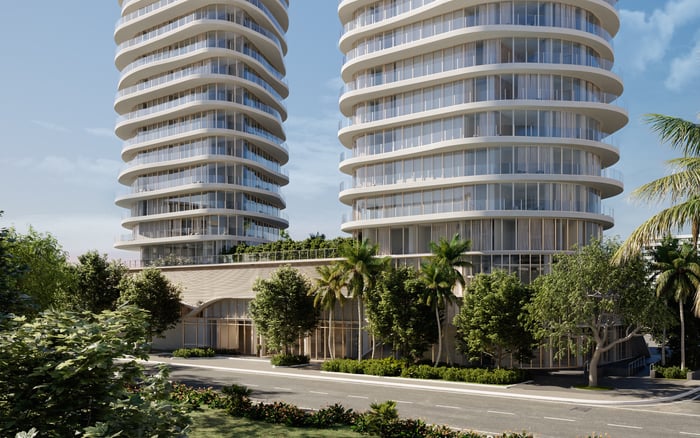
The South Beach project remains in preconstruction, making moisture protocols a matter for contract review, inspection planning and post-delivery governance rather than evidence of an existing mold problem.
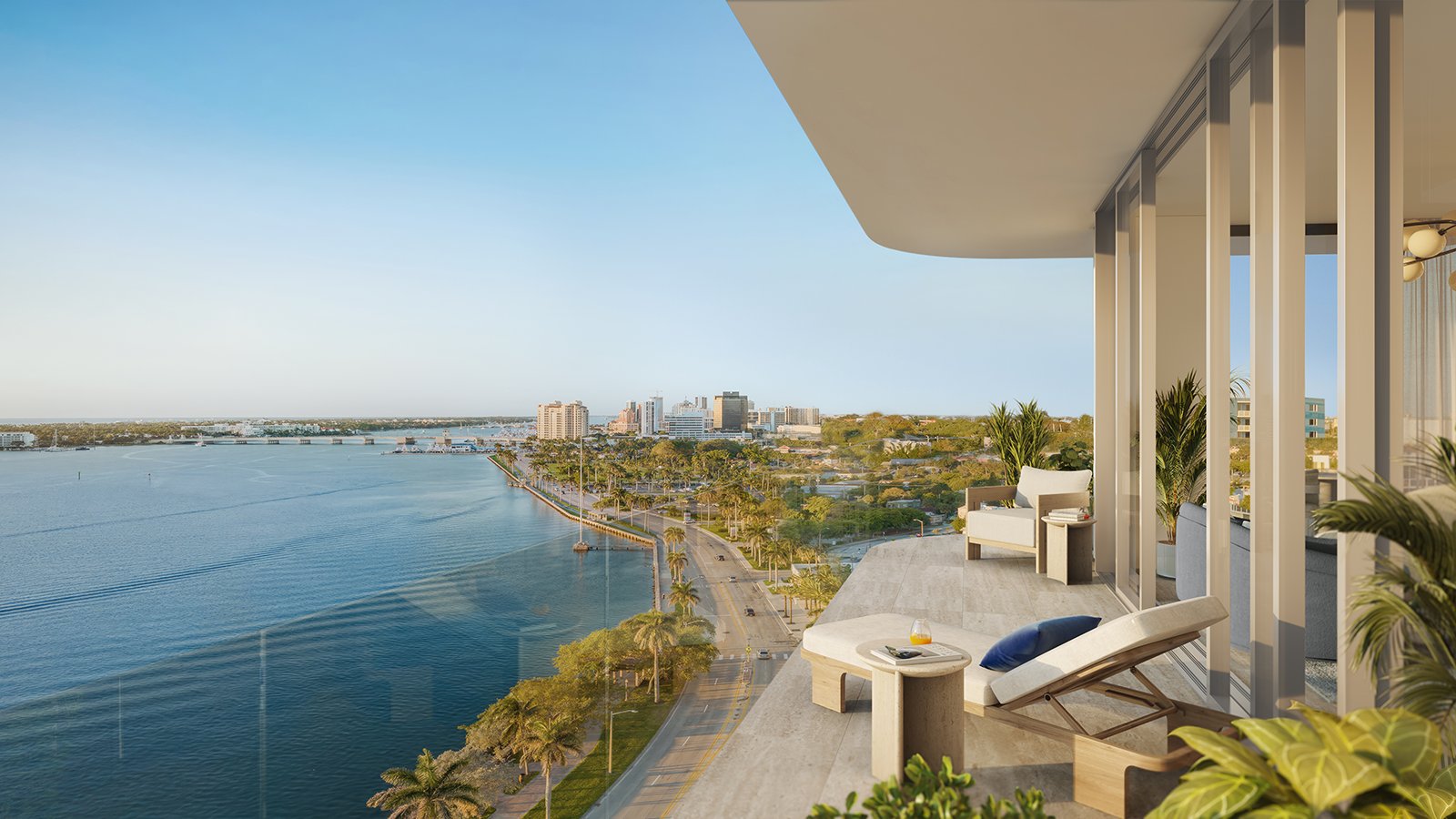
Despite the language that often surrounds new coastal residences, The Ritz-Carlton Residences® South Beach is not a newly delivered condominium. It is an ultra-luxury preconstruction development planned for 1671 Collins Avenue, at the intersection of Collins Avenue and Lincoln Road in Miami Beach. Marketing progressed from reservations to formal contracts in 2024. Completion has generally been estimated for 2027, including a spring 2027 projection, although preconstruction schedules can change.
That distinction matters. There is no substantiated basis for characterizing the property as having a building-wide mold outbreak or an existing moisture defect. The appropriate conversation is preventive: what buyers can establish before closing, what should be examined at turnover and how the condominium's eventual procedures may respond if water intrusion occurs after delivery.
In a coastal residence, prevention begins with documents, access and accountability.
This is therefore a buyer's guide issue rather than a diagnosis. For purchasers considering a primary home, seasonal residence or long-term asset, the quality of the moisture-management framework may be as consequential as the visible finishes.
Current plans call for a 15-story tower with 30 custom-designed residences and approximately 100 linear feet of oceanfront. The building has also been described as 19 stories, so buyers should rely on the final approved plans and condominium documents rather than treating an early configuration as settled. The low-density concept includes two duplex penthouses, while residences have been marketed from approximately $4.25 million. The two penthouses have also been offered together for as much as $125 million.
The physical context is equally relevant. The residences are part of a broader redevelopment involving the existing Ritz-Carlton South Beach and the historic Sagamore Hotel properties. Plans include reducing the 101-room Sagamore to a 55-room Ritz-branded hotel alongside the condominium tower. The tower has been marketed as a cantilevered structure rising above the existing hotel complex, creating interfaces between new and existing construction.
Those interfaces sharpen the due-diligence focus. Envelope performance, drainage, HVAC operation and the allocation of responsibility among residential, hotel and shared components all merit precise documentary review. Oceanfront exposure adds another reason to understand how the completed property is intended to manage moisture, even though exposure alone does not establish a defect.
Buyers comparing Miami Beach options may also examine how established properties such as Setai Residences Miami Beach present operations and ownership responsibilities. The objective is not to assume that different buildings share the same conditions, but to recognize that branded service and technical governance are separate subjects.
A credible protocol begins with reporting. Purchasers should ask where a resident reports a suspected leak, who receives notice outside ordinary hours and how the event is documented. The documents should also clarify emergency access when an owner is absent, particularly when a residence may be occupied only seasonally.
Drying procedures deserve equal attention. Buyers can ask who is authorized to initiate drying, how affected areas are assessed and when specialized remediation may be required. The key is not a promise that water intrusion can never occur, but a defined sequence of decisions, records and responsible parties if it does.
HVAC operation should be considered both before and after closing. A purchaser can request clarity on how systems are expected to operate during construction completion, turnover and periods when a home is unoccupied. The same review should address whether residential systems interact with hotel or common-area infrastructure and which entity is responsible for each component.
Envelope testing and drainage review also belong in the pre-closing conversation. Buyers should ask what testing is contemplated, which turnover materials will be available and how unresolved items will be recorded. At The Perigon Miami Beach or any other new coastal offering, the principle is consistent: branded positioning does not replace project-specific technical review.
The purchase agreement, proposed declaration, association exhibits, warranties and rules should be read together with qualified legal and technical advisers. The objective is to locate responsibility, not merely broad assurances. A sophisticated review asks whether the developer, association, hotel operator, unit owner or another party controls access, investigation, drying, repair and remediation in each relevant area.
Cost allocation is especially important. A leak may implicate a residence, common element, hotel space or interface between structures. Buyers should understand how the governing documents propose to assign expenses and whether insurance provisions, warranties or owner obligations affect that allocation. No generalized description of branded residences can substitute for the final project documents.
The project remains in preconstruction. Sobe Sky Development, a partnership involving Flag Luxury Group, Ben-Josef Group and Lionstone Development, secured a $61.2 million predevelopment loan in 2025 to advance it. That financing milestone does not settle final construction details, delivery timing or condominium governance. Buyers should continue to verify the approved configuration and operative documents as they become available.
A comparison with another completed luxury property, such as Apogee South Beach, can help purchasers formulate operational questions. It cannot establish how the new Ritz-Carlton project will perform or how its final documents will allocate responsibility.
Before signing, or while contractual review rights remain available, buyers can assemble a focused request addressing envelope testing, drainage design, HVAC operation, leak reporting, emergency entry, drying authority, remediation responsibility and cost allocation. Any answer that depends on a future document should be tracked until that document is delivered and reviewed.
Before closing, appropriately qualified advisers should examine the residence and relevant turnover materials. Outstanding conditions should be recorded through the contractual process rather than left to informal conversations. Buyers should also confirm contact procedures for the association, management and any hotel-related operations that may affect the residential component.
After delivery, owners should retain the operative documents and current emergency contacts in an accessible place. Seasonal occupants may wish to establish who can provide authorized entry during an absence. If water intrusion is suspected, the governing reporting and access procedures should be followed promptly, with records preserved for the parties responsible for evaluation and response.
This measured approach protects the integrity of the purchase without implying a problem that has not been established. At The Ritz-Carlton Residences® South Beach, the central issue is readiness: whether a highly valuable, low-density oceanfront property has transparent systems for preventing, identifying and addressing moisture events across a complex mixed-use setting.
For discreet guidance on South Florida's most considered coastal residences, connect with MILLION.
If branded residences are on your mind — as a home or as an allocation — we would be glad to share what we are seeing, privately.
Begin a quiet conversationNo. It remains an ultra-luxury preconstruction development, with published schedules generally identifying 2027 as the estimated completion year.
The available project information does not establish a mold outbreak or building-wide moisture defect. The appropriate focus is preventive planning.
It is planned for 1671 Collins Avenue at Collins Avenue and Lincoln Road on an oceanfront Miami Beach site.
Current plans call for 30 custom-designed residences, including two duplex penthouses.
The project has been described as both 15 and 19 stories. Buyers should verify the final approved plans and condominium documents.
The planned tower is integrated with an existing hotel complex, making envelope, drainage, HVAC and responsibility allocation important review areas.
Buyers should clarify reporting channels, after-hours contacts, emergency access, drying authority, documentation and remediation responsibility.
Buyers should understand intended HVAC operation during turnover and absences, plus responsibility for residential, shared and hotel-related components.
The purchase agreement, declaration, association exhibits, warranties and rules may define access, repair, remediation and cost allocation.
Owners should retain current emergency contacts, understand access procedures and follow the property's reporting protocol if water intrusion is suspected.