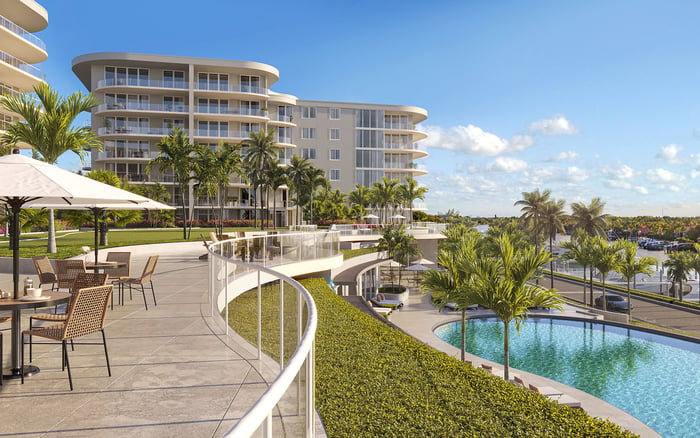
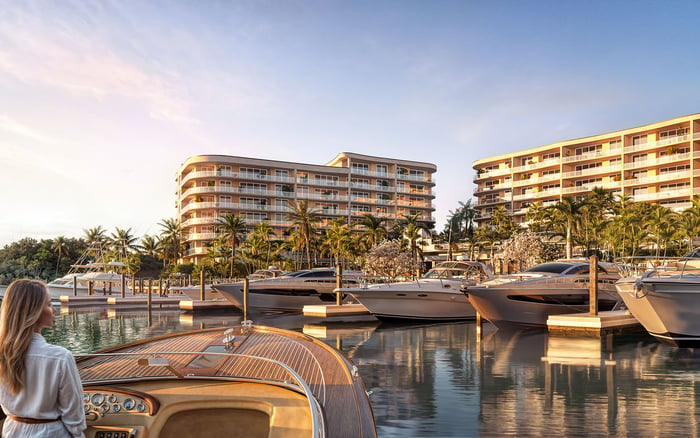
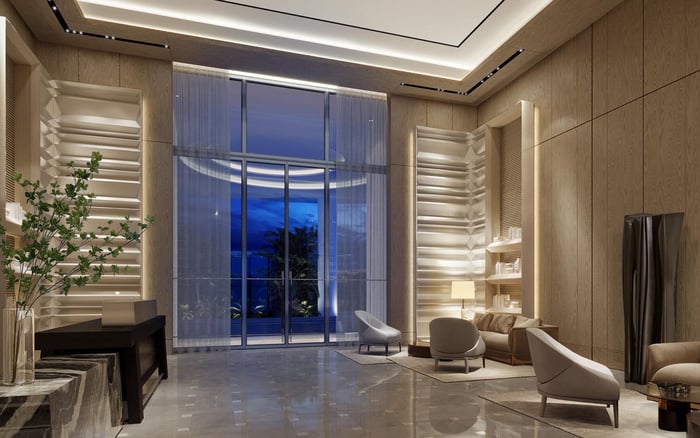
A buyer-focused look at The Ritz-Carlton Residences® Palm Beach Gardens through the practical lenses of storm readiness, waterfront ownership, and peak-season usability.
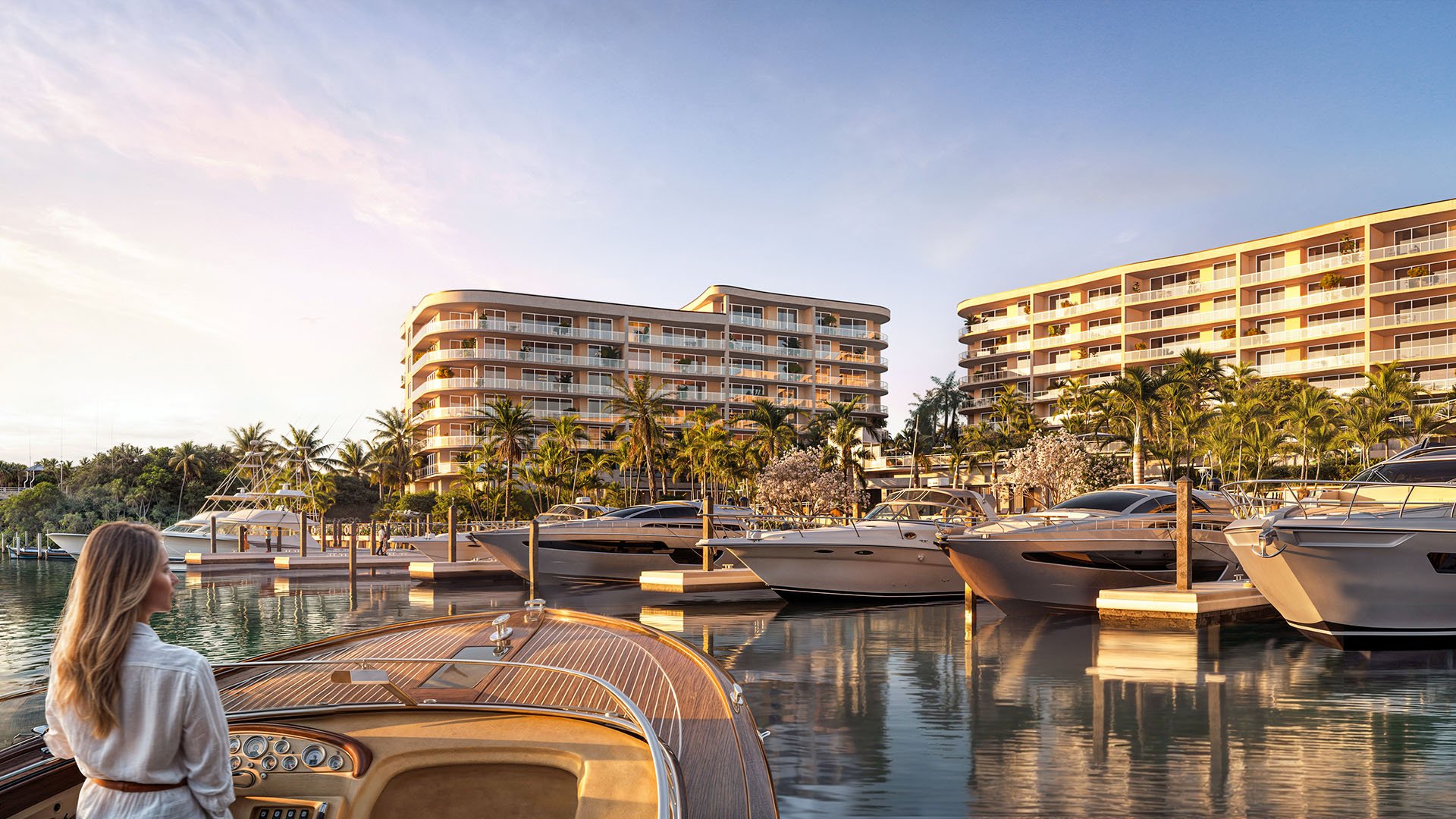
For a certain South Florida buyer, luxury is no longer measured only by stone, ceiling height, view corridor, or brand cachet. It is measured by how calmly a residence performs when the market is crowded, the weather is difficult, and ownership needs to feel effortless from a distance. The Ritz-Carlton Residences® Palm Beach Gardens sits squarely within that more demanding conversation: a luxury branded residential project in Palm Beach Gardens, Florida, shaped by the appeal of new-construction residences, waterfront living, and Ritz-Carlton association.
That combination matters because many seasonal and second-home buyers are not simply purchasing a place to enjoy in perfect conditions. They are purchasing a private base in a desirable coastal market that also carries recurring hurricane-season risk and intense winter demand. The residence must feel refined on arrival, but it must also be simple to secure, access, maintain, and reoccupy when conditions are less ideal.
Storm performance should be treated as a due-diligence framework, not as a blanket assurance. Buyers considering The Ritz-Carlton Residences® Palm Beach Gardens should evaluate the property as a South Florida coastal residence where wind, water, access, and recovery planning all matter. The key questions are not abstract. They involve the building envelope, glazing, wind-rated systems, flood mitigation, drainage, emergency access, and power continuity.
New construction can be attractive to buyers who want modern building systems and a more structured management environment than some older coastal condominium stock may provide. Still, new construction is not a substitute for document review. The serious buyer will want to see final condominium documents, insurance disclosures, engineering specifications, flood-zone information, and emergency-management protocols before treating any resilience claim as settled.
In practice, that means asking precise questions. How are openings protected? Which systems are intended to remain functional after an outage? How is building access controlled if power, communications, or staff schedules are disrupted? How are elevators, HVAC, water systems, life-safety systems, and communications supported during recovery? The more valuable the residence, the more important these operational details become.
The waterfront orientation is central to the appeal, but waterfront ownership always deserves its own layer of review. A water-view residence may offer the daily grace of open outlooks and a strong emotional connection to place, yet water also introduces practical considerations around shoreline design, marina facilities, dockage, drainage, and flood-related construction details.
For a buyer who plans to be away for part of the year, this is especially important. The question is not only how the residence looks when the sun is out, but how the property is monitored, secured, and restored when weather events pass through the region. Marina operations, private arrival points, and waterside circulation should be evaluated for both convenience and storm protocol.
Marina traffic is also a high-season consideration. During the busiest months, boating, guests, valet flow, and amenity use can converge. Buyers should understand how the property intends to manage these patterns so waterfront living remains composed rather than congested.
Palm Beach Gardens offers access to a desirable South Florida luxury market, and that desirability is most visible in peak winter season. For residents, the test is whether the building operates with the same polish when demand is highest. High-season performance should be assessed through service capacity, parking and valet operations, guest access, marina circulation, amenity crowding, and privacy controls.
The Ritz-Carlton brand association is meaningful here. Buyers drawn to The Ritz-Carlton Residences® Palm Beach Gardens are often seeking hospitality-style management, service consistency, and a more formal operating structure. That does not remove the need for buyer scrutiny, but it helps define the expectation: a residence should not feel improvised when owners, guests, service providers, and seasonal traffic arrive at the same time.
Pool areas, fitness spaces, arrival courts, elevators, and private corridors all become part of the ownership experience in season. A building can be beautiful and still feel strained if guest access is loose, valet operations are undersized, or amenity rules are unclear. The most discerning buyers will ask how privacy is preserved and how service standards are maintained when the property is fully animated.
Second-home ownership in South Florida is often about control. Owners want the pleasure of arrival without the friction of constant oversight. That makes management structure, security, maintenance coordination, and post-storm communication as important as interior design.
At The Ritz-Carlton Residences® Palm Beach Gardens, the practical appeal is tied to the possibility of combining waterfront living with a branded residential operating model. For buyers who split time between homes, the underlying question is simple: can the residence remain easy to own when the owner is not there, and easy to use when the owner returns during the busiest part of the year?
This is where Palm Beach area buyers should be particularly disciplined. A luxury residence can offer serenity, but the purchase decision should still include conversations about emergency notifications, building staffing, contractor access, insurance structure, and the sequence for restoring normal operations after a storm.
A serious review should begin with the physical building and move outward to operations. Start with the envelope, glazing, wind-rated systems, drainage, and flood mitigation. Then examine the systems that make the residence usable: elevators, access control, HVAC, communications, water, life safety, and backup power strategy. Finally, study high-season operations, including parking, valet, guest registration, amenity access, marina coordination, and privacy enforcement.
The best questions are specific. What is the protocol before a named storm? Who communicates with owners who are out of state? Which systems receive priority after an outage? How are common areas inspected after severe weather? What information will owners receive before re-entry? How are service levels maintained during peak occupancy?
The Ritz-Carlton Residences® Palm Beach Gardens may appeal strongly to buyers who want a refined, branded, waterfront residence in Palm Beach Gardens. The most confident purchase, however, will be made by the buyer who treats beauty and resilience as complementary, not interchangeable.
Is The Ritz-Carlton Residences® Palm Beach Gardens a fit for storm-conscious buyers? It can be relevant for buyers who want new construction, waterfront living, and a branded operating environment, but project-specific resilience details should be verified directly.
What storm-related items should buyers review first? Focus on the building envelope, glazing, wind-rated systems, flood mitigation, drainage, emergency access, and power continuity.
Does waterfront living change the due-diligence process? Yes. Buyers should separately examine shoreline design, marina and dockage details, drainage, and flood-related planning.
Can buyers assume all new-construction buildings perform the same way? No. New construction may offer modern systems, but buyers should confirm specifications, protocols, and insurance details before relying on assumptions.
Why does high season matter for ownership quality? Peak winter demand can affect valet, parking, guest access, amenity use, privacy, service capacity, and marina circulation.
What should seasonal residents ask about post-storm usability? They should ask how elevators, access control, HVAC, communications, water systems, and life-safety systems are supported after an outage.
How important is the Ritz-Carlton brand association? It is important for buyers who value hospitality-style management, service consistency, and a more formal residential operating structure.
Should buyers review emergency-management protocols? Yes. Protocols for communication, access, inspections, staffing, and recovery can be central to ownership confidence.
Is the residence only about storm preparation? No. The broader question is whether the home remains easy to own, secure, private, and comfortable during both storms and peak season.
What documents should buyers verify before purchase? Buyers should review final condominium documents, insurance disclosures, engineering specifications, flood-zone information, and emergency-management protocols.
To compare the best-fit options with clarity, connect with MILLION.
If branded residences are on your mind — as a home or as an allocation — we would be glad to share what we are seeing, privately.
Begin a quiet conversation