Palm Beach Gardens can suit seasonal owners when the property is managed like a private residence with disciplined building operations, clear communication, and lock-and-leave readiness.
Palm Beach Gardens has a distinct appeal for seasonal owners: a quieter, more residential rhythm than the densest coastal corridors, while still remaining connected to the broader Palm Beach lifestyle. For the buyer arriving for high season, long weekends, golf trips, family holidays, or extended winter stays, the question is not only whether the residence is beautiful. The more important question is whether the building functions gracefully when the owner is away.
That is where operations become the real luxury. A seasonal residence should not require its owner to act as a remote property manager. It should be prepared before arrival, monitored during absence, and responsive when something needs attention. The ideal experience is almost invisible: climate systems working properly, deliveries handled discreetly, maintenance coordinated without drama, and staff who understand the cadence of part-time ownership.
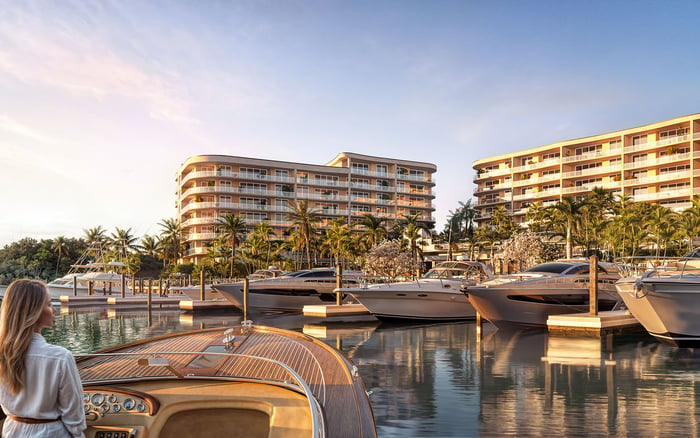
In Palm Beach Gardens, this can be especially compelling because the lifestyle often centers on privacy, wellness, dining, club culture, boating, and calm. The residence needs to support that rhythm. A building such as The Ritz-Carlton Residences® Palm Beach Gardens naturally enters the conversation for buyers who want a service-forward frame around a seasonal home, but the broader principle applies across the market: operations should be evaluated as carefully as architecture.
For a second-home buyer, the baseline is not simply a front desk and a polished lobby. The baseline is continuity. The building should have a clear process for access, vendor coordination, package handling, incident communication, preventive maintenance, and owner instructions. When the owner is away, small issues should not become large ones because nobody knew who to call or what permission had been granted.
The best seasonal buildings think in checklists. Before an owner arrives, the residence may need to be cooled, cleaned, stocked, or inspected. After departure, it may need to be secured, adjusted, and monitored. If the owner permits access for housekeeping, design work, repairs, or family members, the building should have a disciplined procedure rather than an informal favor system.
This is where new-construction buyers should be particularly attentive. A new residence may offer contemporary design and fresh systems, but operational maturity is built through staffing, policies, training, and repetition. Ask how the building communicates with absent owners, how urgent matters are escalated, and how management distinguishes between owner convenience and association responsibility. The answers reveal whether the building is prepared for seasonal life or merely marketed to it.
Palm Beach Gardens works for many seasonal owners because it offers a composed version of South Florida luxury. It is not defined solely by spectacle. It rewards buyers who value space, greenery, club adjacency, water access, dining, and the ability to retreat. For many households, that is precisely the point of a winter residence.
The operational requirement is different from a full-time urban home. A seasonal owner may arrive after months away and expect the residence to feel immediately ready. Guests may be arriving within hours. Tee times, dinner reservations, family schedules, or a boat day may already be planned. The owner is not looking to troubleshoot air-conditioning settings, vendor access, or a missing delivery.
A Palm Beach-oriented owner may also compare Palm Beach Gardens with West Palm Beach, Boca Raton, Fort Lauderdale, and the barrier island markets. In that comparison, the right building operations can make Palm Beach Gardens feel highly practical. The location can provide a calmer base, while a strong residential team supplies the certainty that the home remains cared for in the owner’s absence.
The phrase lock-and-leave is often used casually, but for luxury buyers it should be treated as an operating standard. A true lock-and-leave residence is not merely easy to close. It is easy to reopen. The difference is significant.
A strong building should have a plan for recurring access permissions, guest arrivals, emergency contacts, maintenance coordination, hurricane-season procedures, and routine communication. It should also be clear about what happens inside the private residence and what remains outside the building’s scope. Seasonal owners benefit from understanding those boundaries before they buy.
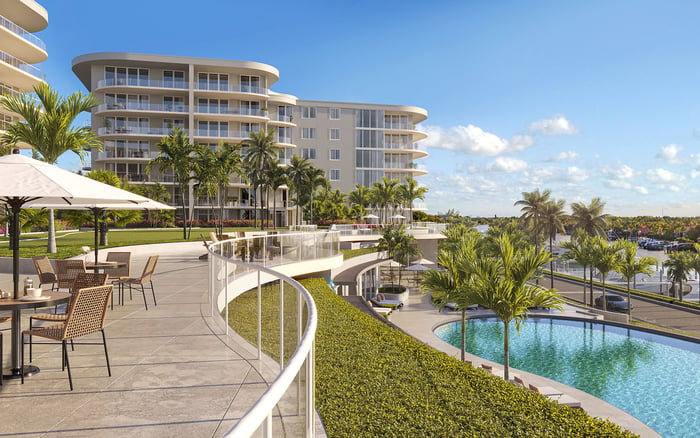
This is also where amenity design must be separated from operational delivery. A pool, fitness room, club space, marina access, or valet setting may be attractive, but the real question is how well each is maintained, staffed, reserved, and governed. The quality of the experience depends less on the brochure and more on the day-to-day discipline behind it.
Buyers considering nearby alternatives may look to residences such as The Ritz-Carlton Residences® West Palm Beach or Alba West Palm Beach when they want a different balance of city access and residential services. The useful exercise is not to chase the longest amenity list. It is to compare how each building supports absence, arrival, and everyday ease.
The most effective diligence is practical. Ask who receives a call after hours. Ask how staff document an issue. Ask how owners approve vendor entry. Ask whether the building maintains preferred vendor relationships or requires every owner to coordinate independently. Ask what happens when a residence has been closed for weeks and the owner is arriving that evening.
Insurance, maintenance, and association rules should also be reviewed with care. Seasonal owners often have different patterns of use, guests, deliveries, and service providers than full-time residents. A building that handles those patterns elegantly can preserve the calm of ownership. A building that treats every request as an exception can make even a beautiful residence feel complicated.
For buyers weighing Boca Raton as part of the same lifestyle map, Alina Residences Boca Raton can serve as another point of comparison for a polished residential environment. Each market has its own tempo. The through-line is operational reliability.
Seasonal ownership is often emotional. It is about where a family gathers, where winter feels lighter, and where routines become rituals. Yet the value of the residence is also protected by pragmatic systems. Predictable management can reduce friction, support maintenance discipline, and make the property easier to enjoy year after year.
Palm Beach Gardens can work beautifully for seasonal owners when the building understands that absence is part of the ownership pattern. The best buildings do not wait for the owner to discover a problem. They create a framework in which the residence can be cared for, accessed, and enjoyed with minimal interruption.
For the ultra-premium buyer, that is the point. Luxury is not only marble, water views, or private terraces. It is the confidence of knowing that the residence is ready when life returns to it.
Why do building operations matter so much for seasonal owners? Seasonal owners are often away for long stretches, so communication, access control, maintenance coordination, and response time become central to the ownership experience.
Is Palm Beach Gardens a good fit for a second home? It can be, especially for buyers who want a quieter residential setting with access to South Florida lifestyle amenities and a building team that supports absence.
What should buyers ask management before purchasing? Ask how the building handles vendor access, emergencies, owner arrivals, package delivery, maintenance issues, and communication while residents are away.
Is new construction automatically better for seasonal ownership? Not automatically. New design and systems help, but the quality of staffing, policies, and management discipline is what makes seasonal ownership seamless.
How important is concierge service? Concierge service can be valuable, but buyers should focus on actual procedures, staffing depth, and whether requests are handled consistently.
What is the lock-and-leave standard? It means the residence can be secured, monitored, and reopened with minimal friction, not simply closed when the owner departs.
Should buyers prioritize amenities or operations? Amenities matter, but operations determine whether those amenities and the private residence are enjoyable, reliable, and easy to use.
Can seasonal owners rely on outside vendors? Yes, but the building should have clear access rules, approval protocols, and communication channels so vendor visits do not become a burden.
How does Palm Beach Gardens compare with West Palm Beach? Palm Beach Gardens generally appeals to buyers seeking a more residential rhythm, while West Palm Beach may suit those who want a more urban setting.
What is the best sign of a seasonal-friendly building? The best sign is clarity: documented procedures, responsive communication, and staff who understand how part-time owners actually live.
For a tailored shortlist and next-step guidance, connect with MILLION.
If branded residences are on your mind — as a home or as an allocation — we would be glad to share what we are seeing, privately.
Begin a quiet conversation