A discreet 2026 buyer’s guide to The Ritz-Carlton Residences® Miami Beach, with a focus on service, privacy, operating discipline, governance, and long-term lifestyle fit.
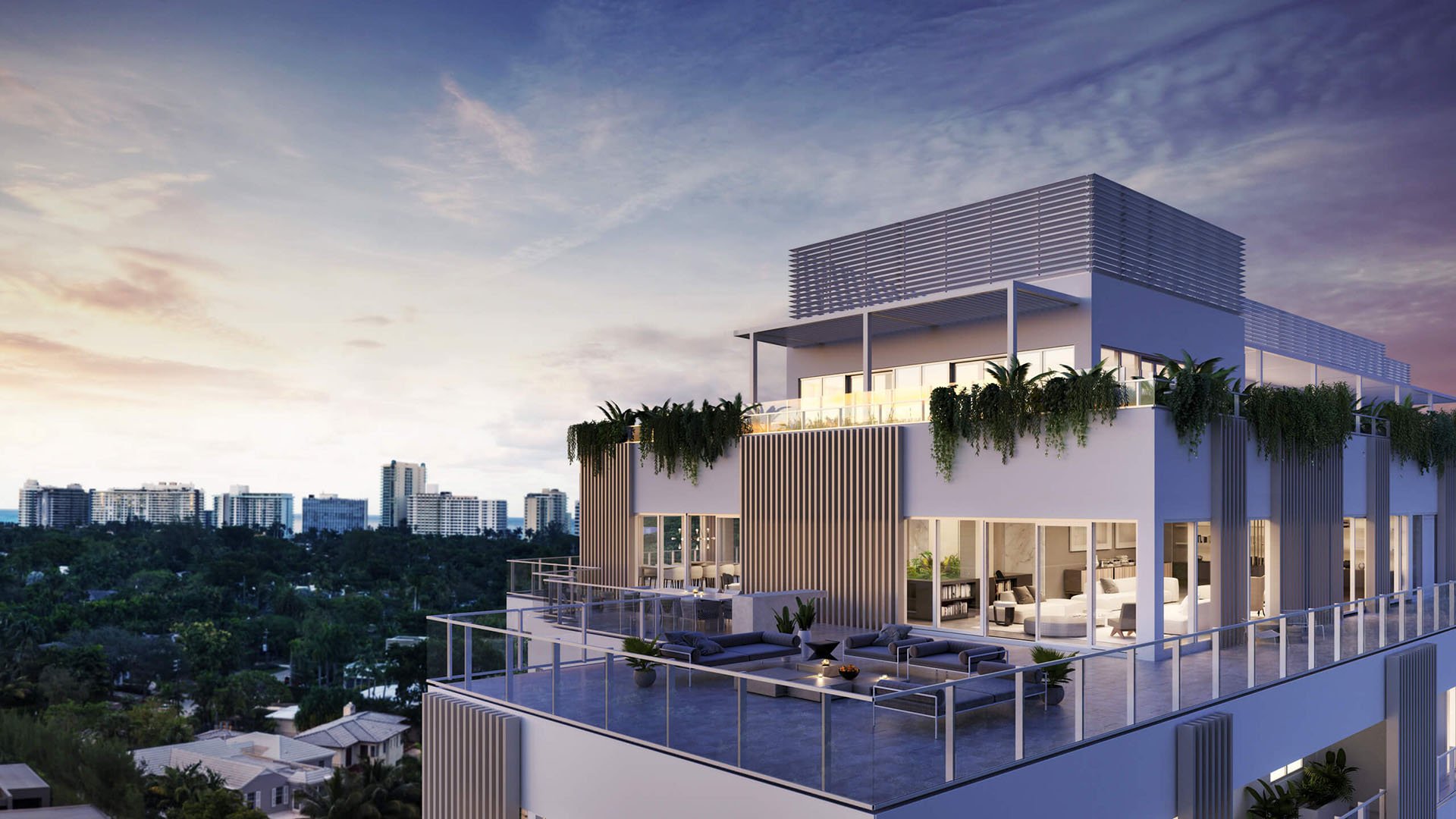
The Ritz-Carlton Residences® Miami Beach holds a distinct position in the South Florida luxury conversation. It is not simply a conventional condominium with a recognizable name attached. Its appeal rests on the promise of branded residential living: a fully serviced, Ritz-Carlton-managed environment for buyers who want the discipline of hospitality without the texture of a hotel.
For 2026 buyers, that distinction matters. Miami Beach offers many forms of luxury, from oceanfront towers and boutique buildings to private island addresses and resort-style communities. The Ritz-Carlton Residences® Miami Beach Miami Beach is best understood through a narrower lens: service, privacy, operating structure, and whether the physical setting supports the way an owner actually intends to live.
This is a residence for the buyer who values discretion over spectacle. Its no-hotel structure, quieter Miami Beach setting, and low-rise, resort-scale configuration create a different rhythm from a high-rise tower or mixed hotel-residential property. The result is a more residential proposition, one best measured not by first impressions alone, but by day-to-day fit.
The defining question is not whether the name is recognizable. It is whether the service model is durable, useful, and aligned with the buyer’s expectations. The Ritz-Carlton Residences® Miami Beach is described as a fully serviced Ritz-Carlton-managed residence, which places operations at the center of the ownership experience.
That can be a meaningful advantage for high-net-worth buyers who value consistency, staffing standards, and a polished residential environment. In practical terms, the service layer can shape how the property feels on an ordinary Tuesday, not only during a seasonal visit or formal showing. Reception, building management, resident experience, maintenance responsiveness, and the general tone of operations all become part of the purchase decision.
A sophisticated buyer should therefore treat service as a due-diligence category, not a marketing adjective. The right questions are operational: how residential management is structured, how service expectations are maintained over time, how staffing is funded, and how decisions are made when resident preferences differ. In branded residential living, the brand is only as valuable as the daily execution behind it.
One of the property’s most important distinctions is the absence of a hotel component. In many branded developments, residential ownership is paired with a hotel environment, which can create energy, convenience, and amenities, but also a higher level of transient traffic. At The Ritz-Carlton Residences® Miami Beach, the no-hotel format supports a more private residential profile.
For certain buyers, that is the point. Privacy is not simply about gates, elevators, or amenities. It is about how many unfamiliar people move through the property, how predictable the arrival experience feels, and whether common spaces retain a residential character. A buyer seeking a calm primary residence or a refined second home may find this distinction more important than a longer amenity list.
This is where the property’s appeal becomes more specific. A hotel-branded residence can be ideal for some lifestyles, particularly those that welcome a resort atmosphere. A no-hotel branded residence is different. It may feel more personal, more consistent, and more insulated from seasonal public activity. For the right owner, that quieter profile is a long-term asset.
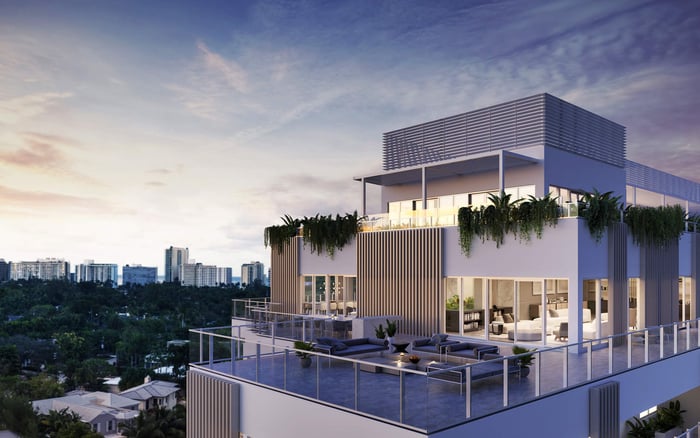
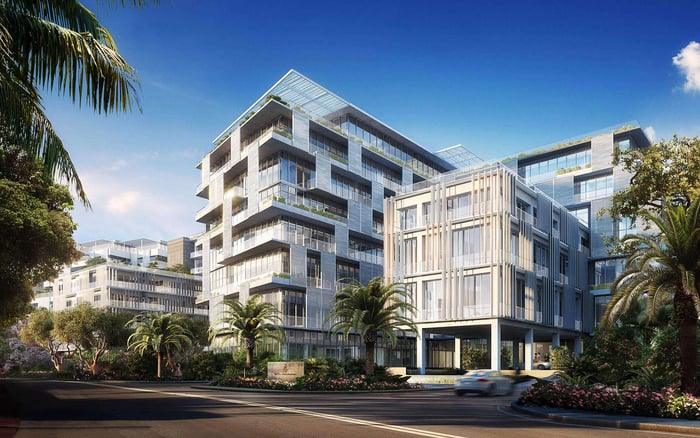
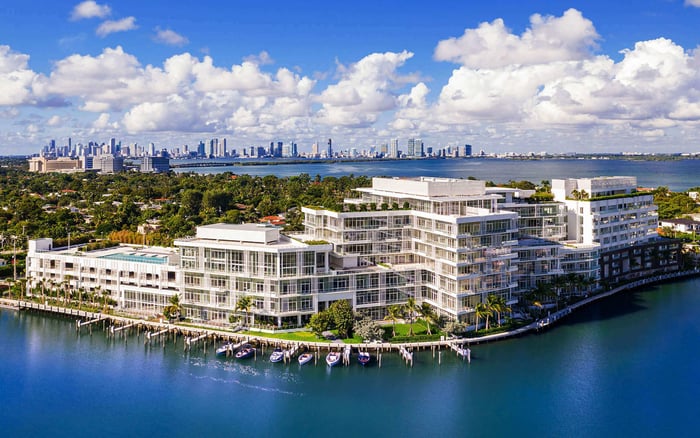
The residences are set within a low-rise, resort-scale site rather than a high-rise tower format. That physical configuration affects the ownership experience. It may influence circulation, views, privacy, access, scale, and the way residents move through the property.
Many South Florida buyers are accustomed to tower living, where height, skyline presence, and vertical drama define the purchase. This property calls for a different evaluation. The value is not primarily about being on a high floor. It is about a calmer residential composition, a more grounded resort-like atmosphere, and the feeling of being in a quieter side of Miami Beach.
That does not make it universally better. It makes it more specific. A buyer who wants sweeping elevation, intense urban energy, and a tower identity may prefer another format. A buyer who wants a serviced residence with a more private cadence may find the low-rise arrangement more compelling. The decision should be based on lifestyle use rather than assumptions about prestige.
Full-service branded residential living typically carries elevated ongoing expenses. That is not a flaw by itself. It is part of the structure. The important question is whether the owner values the service enough to justify the continuing obligations.
A 2026 buyer should review HOA obligations carefully, including how services are funded, how reserves are approached, and how operating decisions are governed. In a property where the value proposition depends heavily on management quality, underfunding can be just as concerning as overpaying. The goal is not merely to minimize carrying cost. The goal is to understand what is being purchased every month after closing.
This is especially important for long-horizon owners. A buyer holding for many years should care about governance, maintenance culture, budget transparency, and the ability of the association and management platform to preserve the residential standard. Resale outcomes may be influenced not only by market conditions, but by how well the building sustains its promise.
The strongest buyers for The Ritz-Carlton Residences® Miami Beach are clear about how they plan to use the property. A primary resident may focus on daily convenience, quiet, staffing, and the feel of common areas. A seasonal owner may prioritize lock-and-leave confidence, arrival experience, and continuity of care. A long-term hold buyer may be more concerned with governance, operating consistency, and brand durability.
Investment logic should be handled with nuance. This property is most relevant for high-net-worth buyers seeking a serviced, private Miami Beach residence with a branded hospitality management platform. That does not mean it should be viewed as a purely financial instrument. Its strongest case is lifestyle-led, with ownership value tied to service, privacy, and long-term residential appeal.
For a Miami Beach buyer comparing luxury options, the key is to avoid treating all branded residences as interchangeable. The no-hotel structure, quieter profile, and low-rise resort-scale setting give this residence its own category. The correct lens is exclusive-area living, not spectacle-driven resort traffic.
Before moving forward, buyers should assess the building on four levels. First, evaluate the service culture: what is promised, what is delivered, and how consistent the experience feels. Second, assess the privacy profile: resident flow, visitor patterns, and the implications of having no hotel component. Third, study the operating model: HOA obligations, management structure, budget discipline, and long-term maintenance philosophy. Fourth, test the physical fit: whether the low-rise, resort-scale environment aligns with the buyer’s actual use.
This is the kind of property where the best decision is made slowly. The aesthetic impression may be immediate, but the deeper value lies in operational details that reveal themselves through careful questioning. Buyers should think beyond closing day and ask whether the property will still match their lifestyle five, seven, or ten years into ownership.
The Ritz-Carlton Residences® Miami Beach is compelling because it resists the loudest version of Miami Beach luxury. Its proposition is quieter, more serviced, and more residential. For some buyers, that will feel understated. For others, it will feel exactly right.
In 2026, the most sophisticated South Florida buyers are not simply purchasing finishes, views, or brand recognition. They are purchasing an operating environment. They want to know who manages the experience, who shares the building, how private it feels, and whether the ongoing cost structure is rational for the life they intend to lead.
Seen through that lens, this residence is not for every luxury buyer. It is for the buyer who wants the hospitality standard of a global brand, the privacy advantages of a no-hotel format, and the calmer rhythm of a low-rise resort-scale setting. That combination is the essence of its long-term fit.
What makes The Ritz-Carlton Residences® Miami Beach different from a conventional condo? It is positioned as a fully serviced branded residence, with the management experience central to its value proposition.
Does the property include a hotel component? No. Its no-hotel structure distinguishes it from mixed hotel-residential branded developments.
Why is the no-hotel format important for privacy? It may reduce transient guest traffic compared with hotel-branded residences, supporting a more residential atmosphere.
Is this a high-rise tower? No. The property is described as a low-rise, resort-scale residential setting rather than a tower format.
Who is the best fit for this residence? It is most relevant for high-net-worth buyers seeking serviced, private Miami Beach living with branded management.
Should buyers focus only on design and amenities? No. Service quality, privacy, governance, operating costs, and lifestyle fit are equally important.
Are HOA obligations an important consideration? Yes. Full-service branded residences typically require careful review of ongoing operating expenses and obligations.
Can it work as a primary residence? Yes, if the buyer values a quieter Miami Beach profile, residential privacy, and consistent service.
Can it work as a seasonal home? Yes. Seasonal buyers may appreciate the managed environment and the more private no-hotel structure.
What should long-term owners study most carefully? Governance, building operations, service consistency, and the physical fit of the property should be reviewed closely.
If you'd like a private walkthrough and a curated shortlist, connect with MILLION.
If branded residences are on your mind — as a home or as an allocation — we would be glad to share what we are seeing, privately.
Begin a quiet conversation