A disciplined Shoma Bay walkthrough should examine the building envelope, critical systems, resilience planning, operating model, and condominium governance before design details influence the decision.
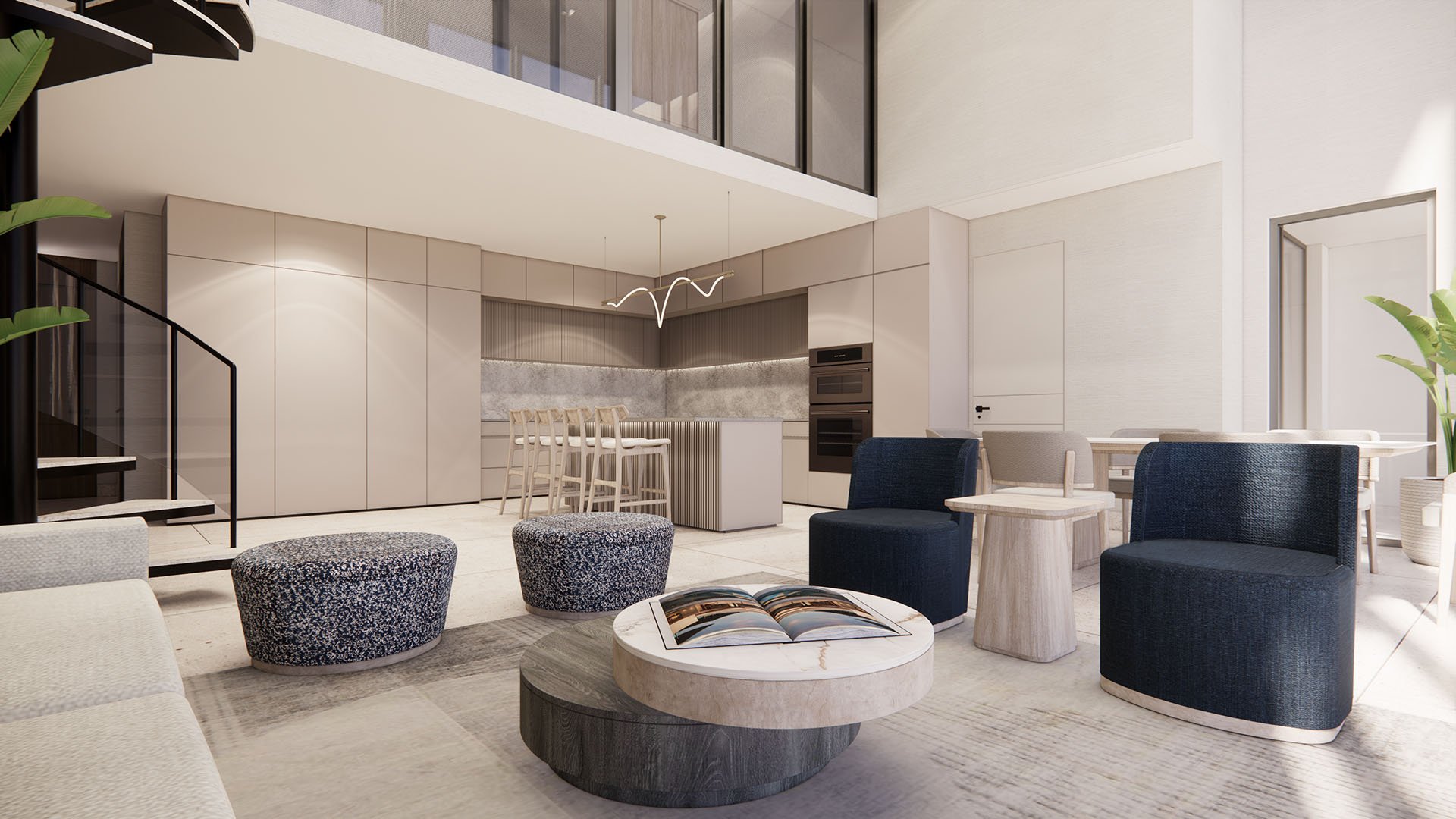
At Shoma Bay North Bay Village, a persuasive walkthrough may naturally focus on finishes, fixtures, and views. For a sophisticated buyer, however, these details are not substitutes for technical due diligence.
The more consequential questions involve structural condition, the exterior envelope, building systems, resilience, governance, and daily operations. A rigorous inspection plan follows the path of water, power, sound, service, and financial responsibility through the property.
Begin with the windows and exterior doors. Ask how these assemblies-and the façade and balcony connections-are designed to address hurricane winds and salt exposure. Look closely for staining, bubbling paint, failed sealant, corrosion, moisture marks, or repairs inconsistent with surrounding surfaces. None proves a defect in isolation, but each may warrant closer professional review.
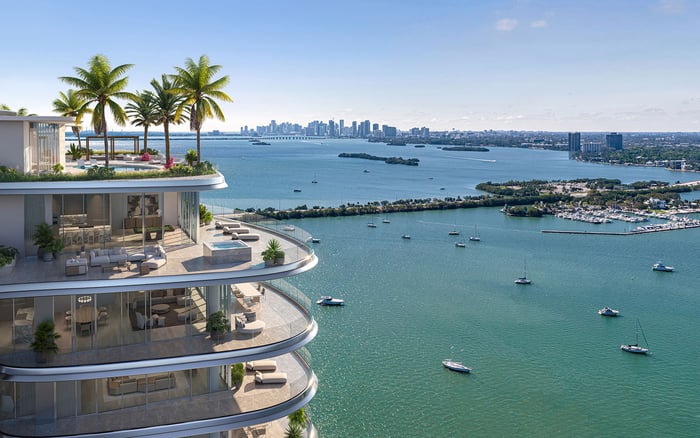
Give the balcony its own inspection sequence. Study the edges, railings, drains, slopes, joints, and penetrations. Water should have a clear path away from the residence, without ponding or unexplained discoloration. Examine door thresholds and the transition between interior flooring and exterior surfaces, then ask how drainage components are accessed and maintained.
Buyers comparing other options, including Continuum Club & Residences North Bay Village, should apply the same envelope-first discipline. Architecture and specifications may differ, but maintenance strategy remains central to ownership quality.
A residence's acoustic privacy cannot be judged during a staged visit alone. Pause without conversation, music, or active ventilation, and listen for neighboring residences, corridor movement, elevator operation, mechanical equipment, doors, and nearby traffic. Repeat the exercise in bedrooms, living spaces, bathrooms, and near entry doors.
Ask whether the residence shares walls with elevators, service rooms, refuse areas, or mechanical spaces. Open and close the exterior doors, then note how the acoustic character changes. A second visit at a busier hour may reveal conditions absent from a carefully timed presentation.
The same listening test is useful when considering design-led alternatives such as Pagani North Bay Village. Privacy is not simply a finish specification; it is an experienced quality shaped by assemblies, circulation, equipment placement, and operating patterns.
Request a clear explanation of the electrical, mechanical, air-conditioning, plumbing, fire-safety, and emergency-power systems. The critical issue is not merely whether backup power exists, but which functions are intended to remain operational during an outage. Ask about elevators, pumps, access controls, lighting, and life-safety equipment.
Inside the residence, test water pressure where permitted, observe drainage, listen to air-conditioning equipment, and note temperature or humidity differences between rooms. In common areas, look beyond the amenity spaces. Corridors, garages, loading zones, service passages, and spaces near mechanical equipment may reveal odors, humidity, leaks, corrosion, deferred work, and the consistency of maintenance.
For an investment purchase, system capacity and redundancy merit the same scrutiny as layout. They can influence comfort, operating costs, maintenance demands, and the residence's appeal over a longer holding period.
A South Florida property warrants a resilience conversation grounded in its actual planning and documentation. Ask about site drainage, flood-protection measures, equipment elevations, garage vulnerability, and post-storm access. Trace how residents, staff, vehicles, deliveries, and emergency personnel would move through the property if normal routes or utilities were disrupted.
Do not accept broad assurances in place of specifics. Identify which components are elevated, protected, or dependent on pumps, and ask how those systems are maintained. Review available plans and disclosures with qualified inspectors and advisers before drawing conclusions.
A buyer touring Tula Residences North Bay Village or another nearby project can apply the same framework. The purpose is not to presume weakness, but to understand exposure, mitigation, recovery, and the responsibilities that remain with owners.
Pair the physical inspection with a review of condominium governance, reserves, insurance coverage, deductibles, maintenance planning, and potential assessment exposure. Budgets and reserve information can help a buyer evaluate whether service ambitions and maintenance obligations are financially aligned. Read insurance documents for the scope of coverage and owner exposure-not simply for the existence of a policy.
Then examine the operating model. Ask how staffing, security, deliveries, parking, guest access, amenity management, and service requests function in practice. Consider whether those protocols suit a primary residence, second home, or frequently traveled lifestyle. Luxury service is most valuable when staffing and rules correspond to the owner's actual routines.
One appointment cannot capture the full rhythm of North Bay Village. If practical, return during a weekday commute, an evening, and a weekend. Observe privacy, neighborhood activity, ambient noise, vehicle flow, and travel conditions.
Time the complete journey from parking space to residence, not merely the drive to the building. Note guest arrival, delivery handling, access controls, elevator waits, and the route through common areas. The final decision should align these lived details with the buyer's risk tolerance, service expectations, and intended ownership horizon.
Should finishes influence the walkthrough? Yes, but treat finishes, appliances, and fixtures as one layer of quality-not as evidence of structural or operational performance.
What should buyers inspect around windows and doors? Look for moisture marks, staining, sealant gaps, corrosion, and irregular repairs, then ask how the assemblies address wind and salt exposure.
Why is balcony drainage important? Balcony edges, slopes, drains, railings, and penetrations may reveal ponding, drainage concerns, or deterioration that merits professional review.
How can acoustic privacy be tested? Pause in each principal room and listen for neighbors, corridors, elevators, mechanical equipment, doors, and traffic at more than one hour.
What should buyers ask about outage planning? Ask which elevators, pumps, access controls, emergency lights, and life-safety systems are intended to operate during an outage.
Which common areas deserve inspection? Review corridors, garages, loading areas, service passages, and spaces near equipment for odors, humidity, leaks, corrosion, and deferred maintenance.
What resilience questions matter most? Ask about drainage, flood protections, equipment elevations, garage exposure, pump dependence, and post-storm access.
Which condominium documents should be reviewed? Examine governance materials, budgets, reserves, insurance coverage, deductibles, maintenance planning, and possible assessment exposure with qualified advisers.
Why visit at different times? Multiple visits can clarify traffic, privacy, ambient noise, neighborhood activity, service patterns, and access conditions.
Who should verify technical conclusions? Qualified inspectors, engineers, insurance professionals, attorneys, and financial advisers should evaluate the relevant documents and physical conditions.
For a tailored shortlist and next-step guidance, connect with MILLION.
If branded residences are on your mind — as a home or as an allocation — we would be glad to share what we are seeing, privately.
Begin a quiet conversation