A discreet due-diligence framework for Greenwich buyers considering waterfront condominium ownership in Sunny Isles Beach, with emphasis on governance, financial exposure, insurance, views, occupancy, and residency planning.
For a buyer arriving from Greenwich, the first adjustment is conceptual. A waterfront acquisition in Sunny Isles Beach may center on a luxury condominium rather than a detached estate. The private residence remains important, but so do the building, association, shared systems, rules, insurance structure, and long-term capital plan.
Begin by separating lifestyle preferences from ownership obligations. In a search brief, labels such as Waterfront, Oceanfront, High-floors, Second-home, and Resale can help organize options, but they should never substitute for document review. Two residences with equally compelling water views may carry markedly different financial, operational, and occupancy considerations.
Even the most polished interior cannot offset weak condominium governance. Before committing, ask counsel and financial advisers to examine the declaration, bylaws, recent meeting materials, current budget, reserve information, insurance documents, pending assessments, and any material disputes or planned work.
Focus on how the association identifies, funds, and communicates major maintenance. Clarify whether anticipated projects are included in existing budgets, expected to draw from reserves, or likely to require additional owner contributions. Determine how payment obligations would transfer at closing and whether the seller has already paid any approved assessment.
Ownership mix and occupancy patterns also warrant scrutiny. Seek clarity on leasing rules, guest policies, renovation procedures, pet restrictions, approvals, and any limits relevant to how the residence will actually be used. A household planning seasonal occupancy may value different rules from one establishing a primary home.
Treat insurance as an early-stage diligence item, not a closing formality. Review what the association policy covers, what remains the unit owner’s responsibility, and how deductibles or exclusions could affect personal coverage. Obtain guidance tailored to the specific residence, building, contents, improvements, and intended occupancy.
Apply the same discipline to structural maintenance. Request available engineering materials, maintenance plans, records of completed work, and information about projects under consideration. Buyers should also address coastal exposure, storm preparation, water intrusion history, building procedures, and personal risk tolerance with appropriately qualified professionals.
Financing belongs in this review, even for buyers who could purchase without it. A lender’s building-level requirements may affect timing, documentation, and flexibility. Secure property-specific advice before relying on a general preapproval.
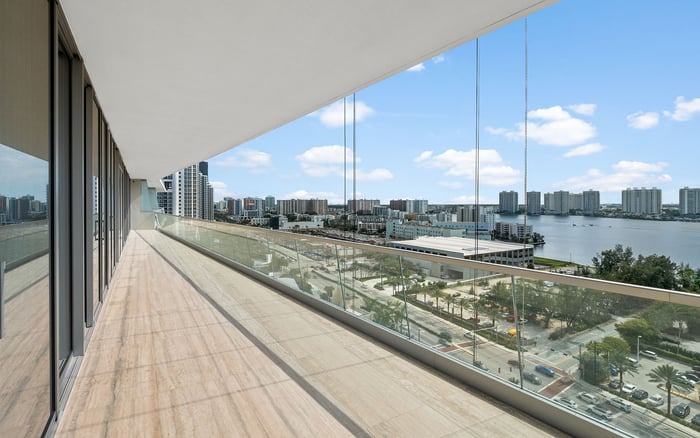
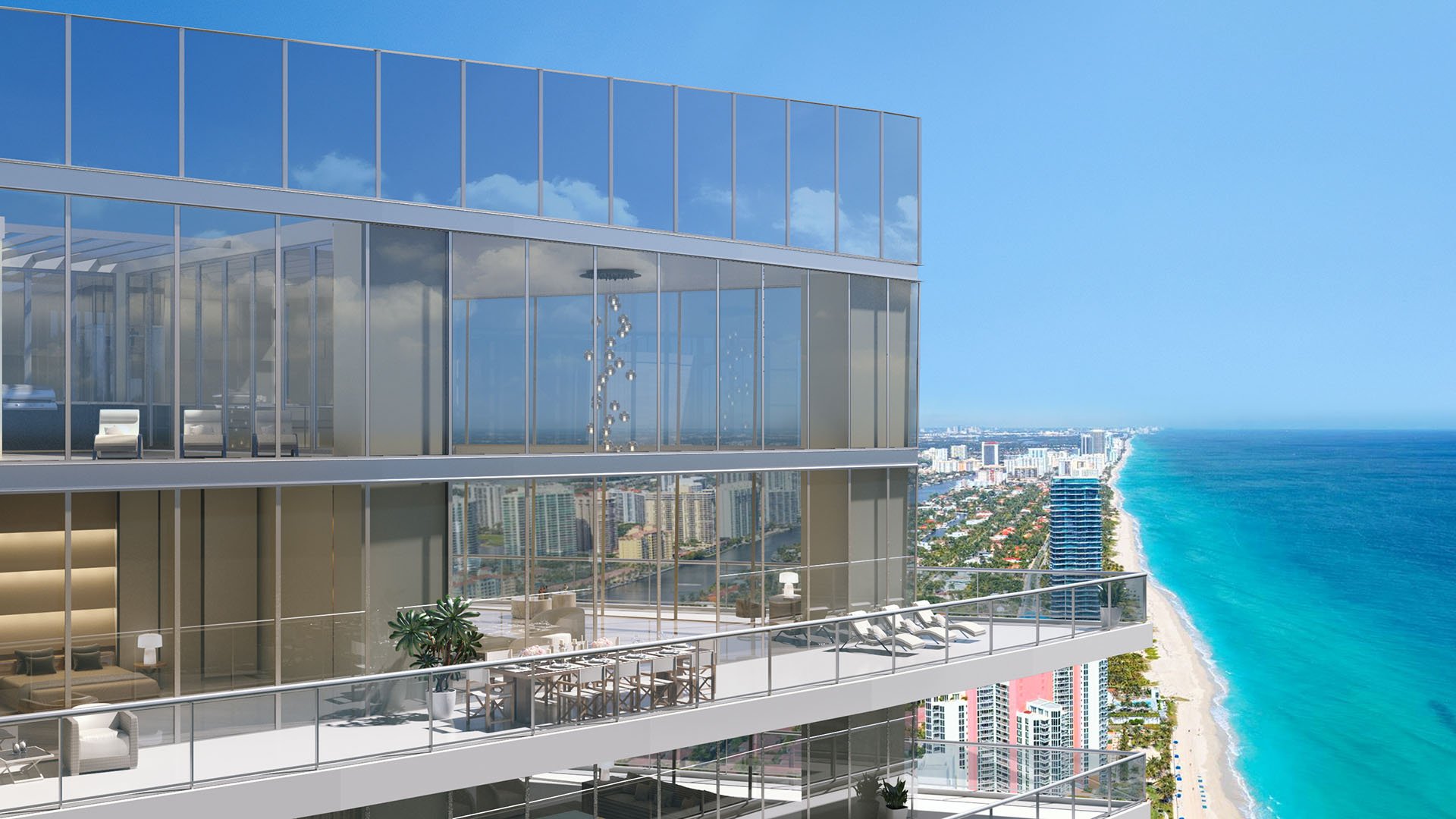
A view is not a single attribute. Study floor height, direction, sunrise and sunset exposure, balcony usability, privacy, glare, wind, and the relationship between primary rooms and the water. When possible, visit at more than one time of day.
Map the surrounding parcels and ask about nearby construction or other conditions that could affect light, noise, access, or view corridors. No outlook should be treated as permanent without careful review of the surrounding context and applicable advice.
Within the residence, inspect windows, doors, terraces, mechanical systems, finishes, moisture-sensitive areas, and prior alterations. Confirm that physical conditions and documented approvals align. If renovation is contemplated, investigate association procedures, contractor requirements, working hours, deposits, elevator access, and realistic scheduling before assigning value to the opportunity.
A disciplined tour should apply the same questions to every property. Buyers might include Armani Casa Sunny Isles Beach and Jade Signature Sunny Isles Beach in an initial comparison, then record observations under identical headings: governance, financial health, planned work, insurance, unit condition, privacy, orientation, service model, and use restrictions.
Apply the same framework when considering The Ritz-Carlton Residences® Sunny Isles or The Estates at Acqualina Sunny Isles. The purpose is not to reduce distinctive residences to a spreadsheet, but to prevent architecture, staging, or a dramatic outlook from obscuring obligations that will remain after closing.
Record which documents have been received, which questions remain open, and which answers require verification by counsel, an inspector, an insurance adviser, a lender, or a tax professional. A refined process preserves both discretion and negotiating clarity.
A Florida purchase and a change of residency are related decisions, but they are not interchangeable. Before signing, coordinate legal and tax advice on ownership structure, estate planning, domicile, documentation, and the treatment of the Greenwich residence. Do not assume that the property purchase alone resolves residency questions.
Build a closing calendar that accounts for condominium review, inspections, insurance placement, financing, funds transfer, and any association application. Confirm furnishings, exclusions, storage, parking rights, and other negotiated items in the contract rather than relying on presentation materials or conversation.
For the Sunny Isles Beach buyer, luxury is best protected by precision. The strongest acquisition is one in which the residence, building, financial commitments, and personal planning all serve the same long-term purpose.
How should a Greenwich buyer begin a Sunny Isles Beach search? Define intended use, budget, privacy, service, view, and ownership priorities before comparing individual residences.
Why review the condominium association first? Its finances, rules, maintenance planning, and insurance can materially shape the ownership experience.
Which financial documents deserve attention? Ask advisers to review budgets, reserve information, assessments, insurance materials, and available meeting records.
Can a waterfront view be assumed to remain unchanged? No. Review surrounding parcels, potential construction, and view corridors with qualified advisers.
Does floor height determine the best residence? Not alone. Orientation, privacy, glare, wind, balcony use, and room layout also matter.
What should seasonal owners verify? Confirm guest, leasing, access, pet, renovation, and extended-vacancy procedures before purchasing.
When should insurance be investigated? Begin before contract deadlines so building and unit coverage can be evaluated together.
Should a cash buyer still consider financing requirements? Yes. Building-level lending considerations may affect future flexibility and the eventual resale audience.
Is buying a Florida residence enough to establish residency? Do not assume so. Coordinate domicile, tax, estate, and documentation questions with personal advisers.
What belongs on the final pre-closing checklist? Include documents, inspections, insurance, funds, association approval, negotiated items, parking, and storage.
For a confidential assessment and a building-by-building shortlist, connect with MILLION.
If branded residences are on your mind — as a home or as an allocation — we would be glad to share what we are seeing, privately.
Begin a quiet conversation