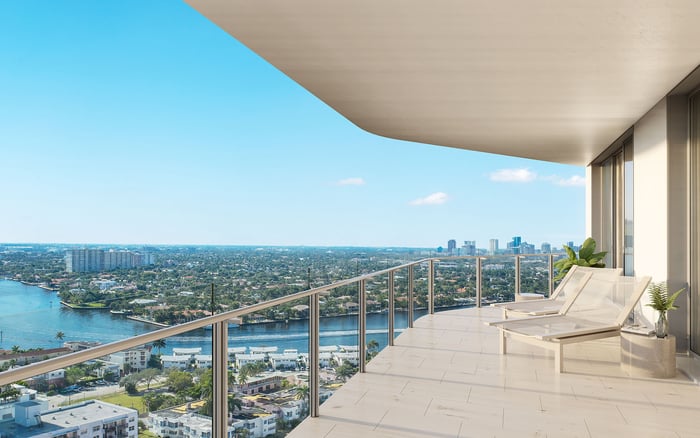
A discreet operational comparison for New York buyers evaluating The Ritz-Carlton Residences® Fort Lauderdale and Andare Residences Fort Lauderdale as South Florida homes.
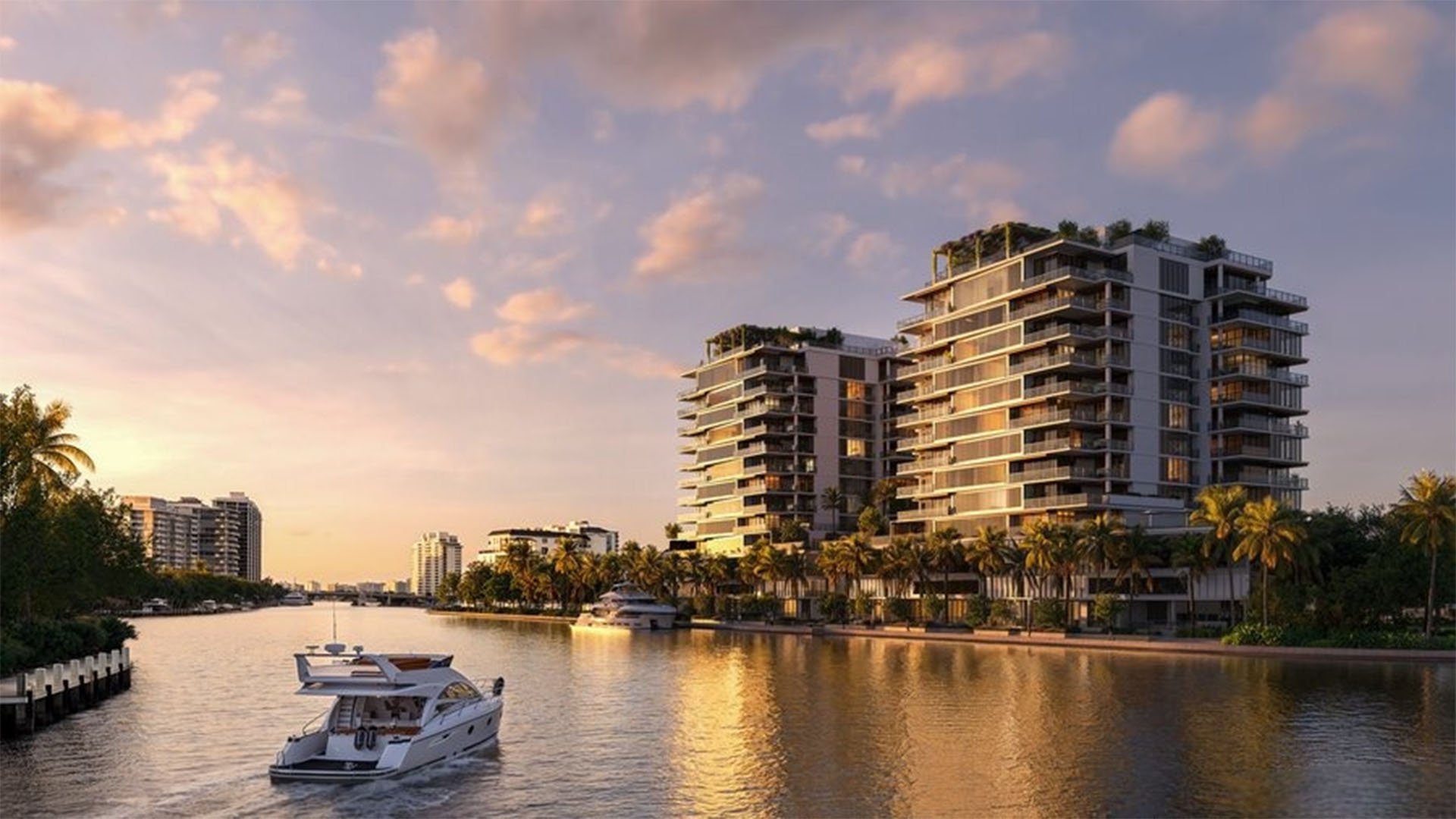
For a New York household weighing The Ritz-Carlton Residences® Fort Lauderdale vs Andare Residences Fort Lauderdale, the most consequential question is not simply which address feels more glamorous. It is which residence can operate with the least friction while the owner is away, then feel fully composed within hours of arrival.
That is a different lens from the usual amenity comparison. A split-time owner needs a residence that can absorb changing flight schedules, visiting family, deliveries, housekeeping, vendors, car logistics, seasonal wardrobe moves, pets, and privacy preferences without turning every arrival into a management project. In Fort Lauderdale, where waterfront living often competes for attention with Miami and Palm Beach, the better decision is often less about spectacle and more about household choreography.
In practical search language, this is a Fort Lauderdale and Broward decision for a second-home buyer weighing new-construction rhythm, investment discipline, and the day-to-day identity of Andare Residences Fort Lauderdale against the expectations created by a globally recognized residential name.
A Manhattan or Brooklyn household often evaluates South Florida through the idea of ease. The residence should be secure when empty, prepared when occupied, and adaptable when guests arrive unexpectedly. That means asking how access is handled, whether staff protocols are documented, how vendors are cleared, and what happens when a request is urgent rather than routine.
The operational checklist should begin with arrival. Who can receive luggage ahead of time? How are food, flowers, dry cleaning, or child-related items handled before the owner lands? Is there a clear path for housekeeping between visits? Are recurring vendors managed through the building, through the owner, or through an outside estate manager? These questions matter more than the shape of a pool or the language used to describe a lobby.
Owners should also examine absence. A South Florida residence sits in a different climate and insurance environment than a New York apartment. Air conditioning, humidity control, water monitoring, balcony furniture, storm preparation, and periodic visual checks become part of ownership. The best building for a split-time buyer is the one where these routines are transparent, repeatable, and easy to audit.
The Ritz-Carlton Residences® Fort Lauderdale enters the conversation with a name that naturally signals service expectations. For buyers accustomed to white-glove standards in New York, that brand context can be compelling. Yet a sophisticated buyer should separate the emotional value of a name from the precise mechanics of daily residential life.
The right questions are specific. Which services are residentially embedded, and which are arranged separately? What is included in association dues, and what is billed à la carte? Who staffs the front of house, how are requests recorded, and what response standards are actually promised? If owners plan to arrive late from LaGuardia, Newark, or Teterboro, they should understand exactly what can be prepared in advance and who is accountable for the final result.
Privacy is equally important. A highly serviced environment can be effortless, but it can also be more visible. Buyers who want a quiet home base should ask how staff access is controlled, whether owner preferences are recorded discreetly, and how guest arrivals are handled. The comparison should not assume that more service automatically means better living. For some households, the optimal residence is the one that intervenes less, but does so with precision.
Andare Residences Fort Lauderdale benefits in this evaluation from having a clearer project-facing profile available for preliminary review. That does not answer every operational question, but it gives a buyer a place to begin organizing a disciplined due diligence file before touring, negotiating, or requesting building documents.
For a split-time owner, this early clarity can be useful. The household can create a matrix around access, staff, package handling, private storage, pets, parking, housekeeping, maintenance coordination, and guest use. The objective is not to decide from marketing language. It is to identify what must be confirmed in writing and what should be experienced in person.
Andare may appeal to buyers who prefer a residence whose operational personality can be studied from the ground up. The conversation can become less about inherited assumptions and more about how the building will actually work for the family. For methodical New York buyers, especially those comparing several South Florida homes in one trip, that structure can make the decision feel more controllable.
The most successful second homes operate like small private estates, even when they are vertical residences. Someone needs to know when the owner is arriving, what condition the home should be in, who is approved to enter, and what should happen if a leak, power interruption, or package issue arises.
A buyer comparing The Ritz-Carlton Residences® Fort Lauderdale and Andare Residences Fort Lauderdale should ask for a sample owner journey. Imagine a Thursday afternoon decision to fly down for the weekend. The residence should be cooled, cleaned, stocked, and ready. The car should be accessible. Family guests should have a defined arrival path. Pets, if part of the household, should be considered in elevator etiquette, outdoor routines, and building rules.
This is where pets become more than a lifestyle preference. For affluent households, a dog, trainer, groomer, walker, or visiting family pet can alter how the building functions. Rules around access, service elevators, outdoor areas, and staff coordination should be clear before contract, not interpreted after move-in.
Luxury buyers often focus on purchase price, but household operations live in recurring costs. Association dues, service charges, staffing structure, insurance responsibilities, reserves, maintenance standards, and special-assessment risk all shape the lived experience. A residence can feel well priced at acquisition and cumbersome in operation if the financial architecture is not understood.
This is where investment thinking is helpful, even for a buyer who has no near-term intention to sell. The more predictable the building’s operations, the easier it is to own calmly, explain to advisors, and eventually position for resale. New construction can be attractive because systems are new and expectations can be established early, but buyers should still study governance, transition timing, maintenance obligations, and how service promises are funded.
Fort Lauderdale also has a distinct household rhythm. It is more relaxed than Brickell, less seasonal in feel than some Palm Beach enclaves, and increasingly compelling for buyers who want water, boating proximity, and airport convenience without making Miami the center of daily life. Broward buyers often value access and ease as much as address theater.
The decision should begin with self-knowledge. If the household wants the reassurance of a globally familiar name and is prepared to verify every service detail privately, The Ritz-Carlton Residences® Fort Lauderdale may belong high on the list. If the household prefers to begin with a project-facing framework and build a practical operating file from there, Andare Residences Fort Lauderdale may feel more legible at the outset.
Neither path should be reduced to brand versus non-brand. The better comparison is controlled service versus customized autonomy, visible hospitality versus discreet self-direction, and emotional confidence versus documented operations. A New York buyer should request the same information from each option, compare the answers side by side, and then judge which one best protects time.
The strongest residence is the one that feels effortless on the third trip, not only the first tour. It should make departures feel orderly, arrivals feel calm, and ownership feel less like managing another property and more like extending the household into South Florida.
Is this comparison mainly about amenities? No. For split-time buyers, the more important comparison is how each residence supports arrivals, absences, staff access, vendors, and privacy.
Why does household operations matter for New York owners? Owners flying between New York and South Florida need the home to be ready on short notice and secure while vacant.
Should buyers assume a branded residence includes every service they expect? No. Every service, staffing standard, fee, and response protocol should be confirmed in writing before purchase.
How should Andare Residences Fort Lauderdale be evaluated? Buyers should use its project-facing profile as a starting point, then verify building operations, costs, access rules, and owner services directly.
What is the most important question to ask before touring? Ask who is responsible for preparing the residence before arrival and what that preparation includes.
Do pets change the operational analysis? Yes. Pets affect elevator use, staff coordination, walking routines, guest policies, and the practical comfort of daily ownership.
Is new construction automatically easier to own? Not automatically. New systems can be appealing, but governance, service funding, maintenance planning, and transition timing still matter.
How should a buyer compare recurring costs? Review dues, staffing, reserves, insurance responsibilities, paid services, and any policies that could affect future assessments.
Which option is better for privacy? The better choice depends on how each building manages staff access, guest arrivals, vendor approval, and owner preference records.
What is the final decision rule? Choose the residence that preserves the most time, requires the least oversight, and feels calm after repeated use.
If you'd like a private walkthrough and a curated shortlist, connect with MILLION.
If branded residences are on your mind — as a home or as an allocation — we would be glad to share what we are seeing, privately.
Begin a quiet conversation