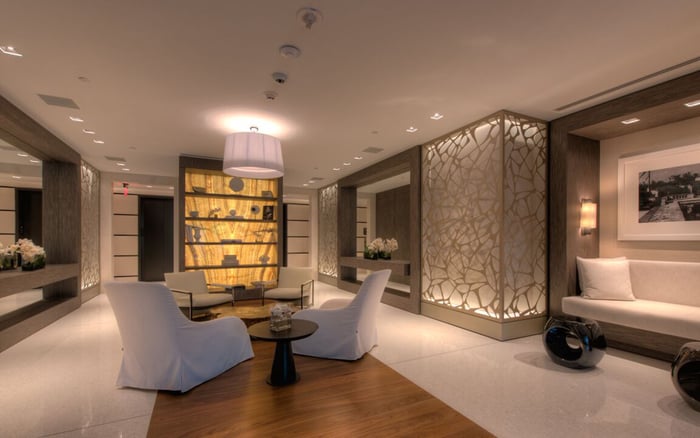
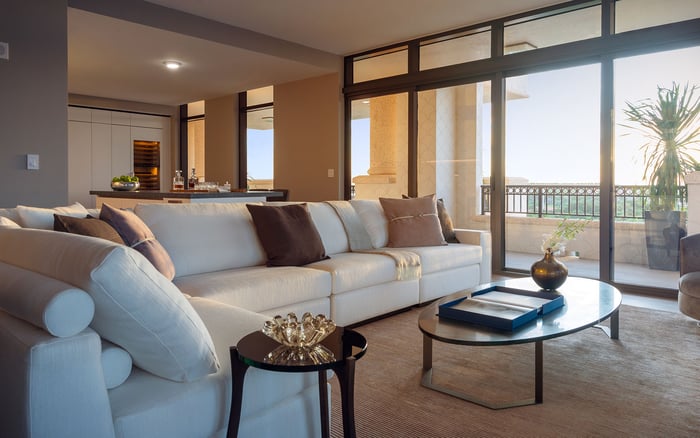
The Residences at Six Fisher Island presents an extensive advertised wellness program. For a second-home buyer, the decisive questions concern booking access, trainer approvals, unit-specific acoustics, and the distinction between residential amenities and club privileges.
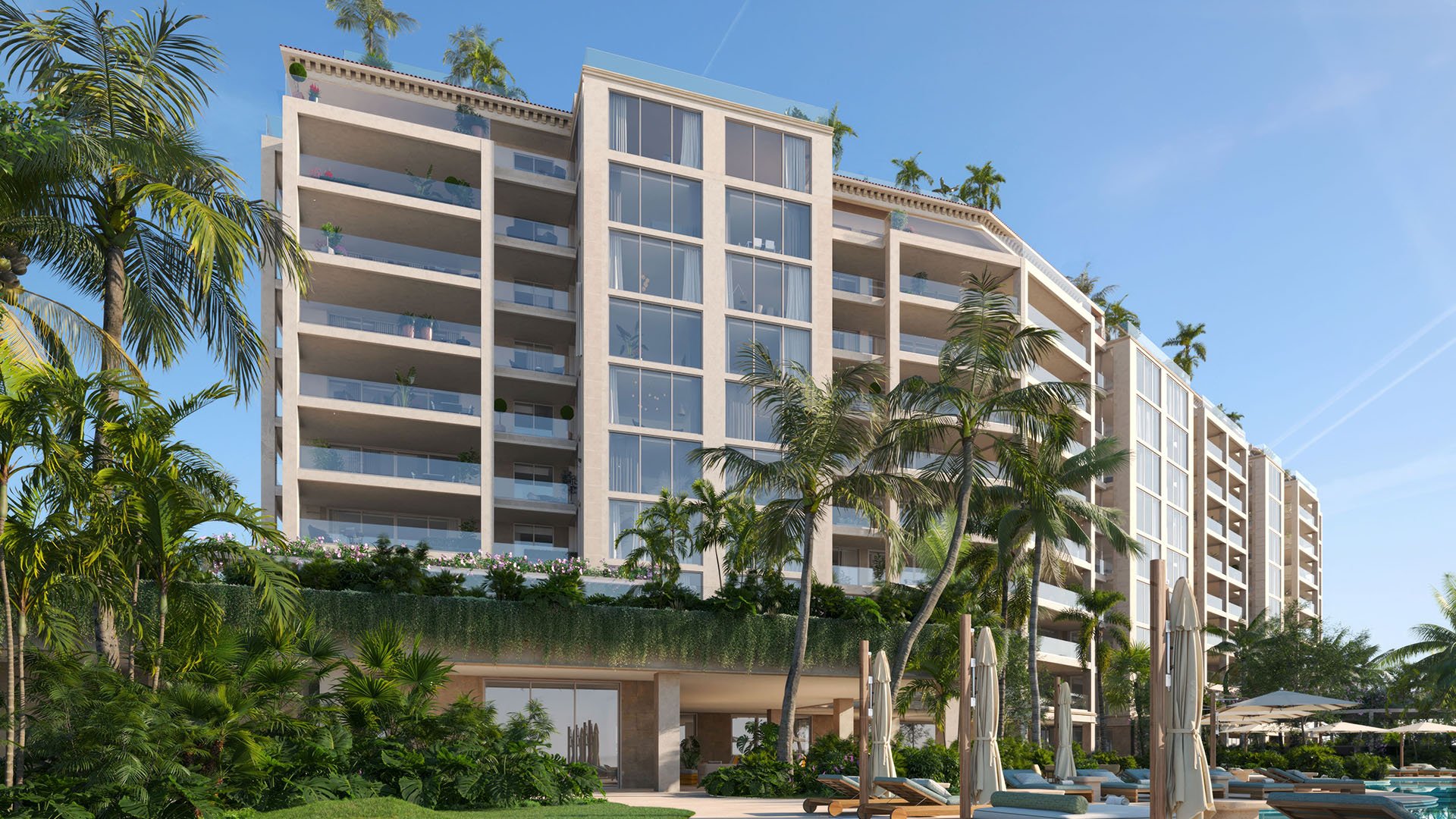
For a second-home buyer, the most persuasive wellness amenity is not necessarily the most photogenic. It is the one available when a short stay leaves time to use it. At The Residences at Six Fisher Island, the advertised fitness and spa program warrants a practical examination: can an owner secure a preferred session, work with a trusted trainer, and return to a quiet residence?
Marketed as a 50-residence, 10-story waterfront development at 6 Fisher Island Drive in Miami Beach, the project brings together Related Group, BH Group, and Globe Invest. Kobi Karp is the architect, with interiors by Tara Bernerd & Partners. That design pedigree frames the proposition but does not answer its operational questions.
This is an assessment of advertised amenities and purchase considerations, not a firsthand account of operating facilities. The buyer's standard should be straightforward: distinguish the promised spaces from the access, rules, and performance that require written confirmation.
The residential program is marketed with two resort-style pools, a sanctuary spa, a bayfront fitness center, and a signature restaurant. Advertised exercise spaces include high-impact training, Pilates reformers, yoga, cardio, weight training, spinning, and personal-training areas. The Sanctuary Spa program includes sauna and treatment rooms, hot-and-cold plunge pools, and salon services.
Fisher Island Club is a separate component of the ownership proposition. Its facilities encompass nine-hole golf, tennis, spa, fitness, dining, beach club, and marina access. The 24,000-square-foot Spa Internazionale, situated in the historic Vanderbilt seaplane hangar, belongs to that broader island offering. It should not be treated as a private, on-site Six Fisher Island residential amenity.
For a buyer also considering Palazzo della Luna, the useful comparison is documentary rather than visual: request a separate inventory of building amenities and club privileges for each purchase. Establish who operates each facility, which rules govern access, and where separate charges apply. An impressive combined amenity description cannot substitute for that distinction.
The advertised equipment and studios suggest variety. They do not establish reservation rules for classes, reformers, high-impact training, or peak-period use. A buyer expecting three early-morning Pilates appointments during a brief visit should treat that schedule as a question to resolve, not an entitlement implied by the amenity description.
Request details of the proposed booking platform, advance-booking window, and any limits on concurrent or recurring reservations. Ask whether reformers can be booked independently, whether instruction is required, and whether personal training changes access to a room or piece of equipment. Confirm guest privileges and whether different arrangements apply to owners, family members, and visitors.
Cancellation terms matter particularly for a second home. Ask about no-show charges, late-cancellation deadlines, waitlists, and the treatment of travel disruptions. Peak-season availability deserves a separate discussion: neither the advertised residence count nor the number of amenity categories establishes how easily a preferred appointment can be secured.
Before committing, walk through a hypothetical holiday stay with the sales and management teams. Request written answers that distinguish adopted policies from proposals still subject to change.
Dedicated personal-training space is advertised, but permission to bring an outside trainer is not established. Nor are certification requirements, an approved-trainer roster, or an approval procedure. For an owner who relies on a longstanding professional relationship, those distinctions are material.
Ask whether outside trainers are permitted and, if so, which certifications, insurance documents, background checks, and approvals are required. Obtain details of any facility charges or guest fees, along with registration deadlines and renewal requirements. Confirm whether authorization covers the residential gym, club facilities, or only specified spaces.
Then examine arrival logistics. Who authorizes access when the owner has not yet arrived? Must the trainer be accompanied? Can an assistant arrange appointments, and what happens if a substitute trainer is needed? These are questions, not statements of current policy. Resolving them in advance helps establish whether a familiar routine can transfer to the island without repeated administrative friction.
Quiet should be evaluated for the selected residence, not inferred from its finishes. The available information does not establish STC or IIC ratings, façade acoustic performance, mechanical-noise limits, or isolation between residences and amenity areas. That uncertainty does not demonstrate that acoustic controls are absent.
Request plans locating the residence relative to fitness spaces, pools, restaurants, elevators, loading areas, trash handling, and mechanical equipment. Review what sits above, below, and beside bedrooms as carefully as the outlook from the principal living spaces. An acoustic specialist can help assess the specifications in light of those adjacencies.
For fitness-related concerns, ask specifically about the proposed treatment of impact, vibration, amplified sound, and equipment noise. Request the relevant acoustic specifications and any testing, acceptance, or remediation obligations. Tie these requests to the selected residence and current documents rather than relying on a general assurance of quiet.
Where testing is contemplated, clarify its timing, scope, and the party responsible for addressing deficiencies. The meaningful distinction is between an intended design outcome and a documented obligation to assess performance.
The inclusion covers payment of the lifetime club membership initiation fee only. It does not include annual dues or assessments. Usage-related expenses-including spa and gym fees, food and beverage, marina costs, and other member expenses-are also excluded.
Request current membership terms and a clear allocation of residential versus club costs. For a purchaser weighing Six against The Links Estates at Fisher Island, apply the same discipline to each offering without assuming identical inclusions or access rights.
Confirm operating hours, holiday staffing, late-arrival procedures, and arrangements for housekeeping, trainers, and deliveries. The second-home question is not simply whether services exist, but whether their schedules and authorization procedures suit intermittent occupancy.
Projected completion is marketed for 2027. Treat that as an estimate, not a verified contractual delivery date, and verify residence delivery and amenity-opening provisions separately in the current purchase documents.
The breadth of the advertised wellness program is appealing. A confident decision, however, rests on three less visible details: usable booking access, documented trainer permissions, and residence-specific acoustic commitments. Have the purchase team distinguish binding provisions from proposed operating policies, then assess whether the unresolved items are acceptable for your intended pattern of use.
For a discreet assessment of your South Florida second-home priorities, connect with MILLION.
If branded residences are on your mind — as a home or as an allocation — we would be glad to share what we are seeing, privately.
Begin a quiet conversationIt is marketed as a 50-residence, 10-story waterfront development at 6 Fisher Island Drive in Miami Beach.
The program includes a bayfront fitness center, high-impact training space, Pilates reformers, and a yoga studio. Additional descriptions identify cardio, weight training, spinning, and personal-training areas.
The advertised materials do not establish detailed booking rules. Buyers should confirm booking windows, recurring-reservation limits, cancellation charges, guest access, and peak-season arrangements.
Outside-trainer permission is not established by the advertised personal-training space. Request written access and approval policies before assuming a preferred trainer can use the facilities.
Ask which certifications, insurance documents, background checks, and approvals are required. These are due-diligence questions, not verified requirements at the development.
The available information does not establish STC or IIC ratings, façade performance, mechanical-noise limits, or amenity isolation. This does not mean acoustic controls are absent.
Request plans showing nearby amenities, elevators, service areas, and mechanical equipment, together with acoustic specifications. Clarify any testing and remediation obligations for the selected residence.
It should not be presented as a private, on-site residential amenity. The 24,000-square-foot facility in the historic Vanderbilt seaplane hangar is part of the broader island club offering.
The disclosed inclusion covers the lifetime membership initiation fee only. Annual dues, assessments, and usage-related expenses such as spa, gym, dining, and marina charges are excluded.
The advertised 2027 projection is a marketing estimate, not a verified contractual delivery date. Confirm residence delivery and amenity-opening provisions in the current purchase documents.