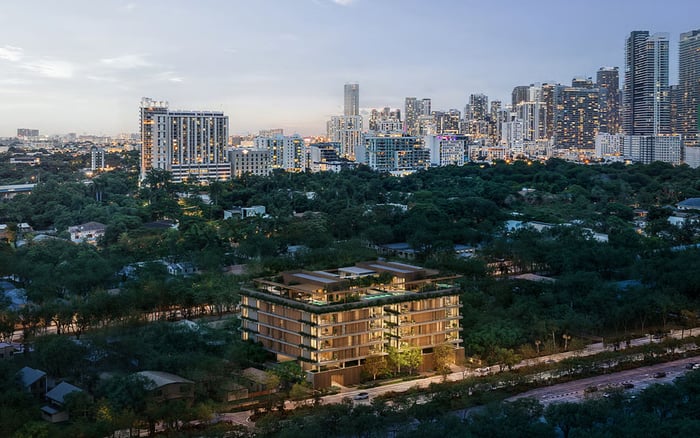
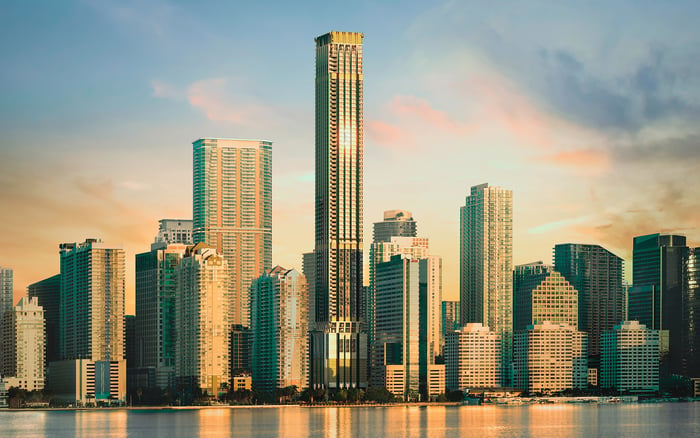
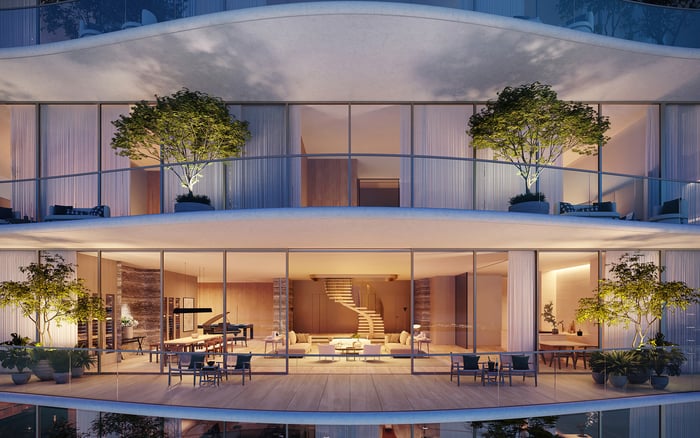
A discreet buyer’s guide to assessing whether Kempinski Residences Miami Design District aligns with your service expectations, privacy needs, lifestyle rhythms, and long-term ownership strategy before contract.
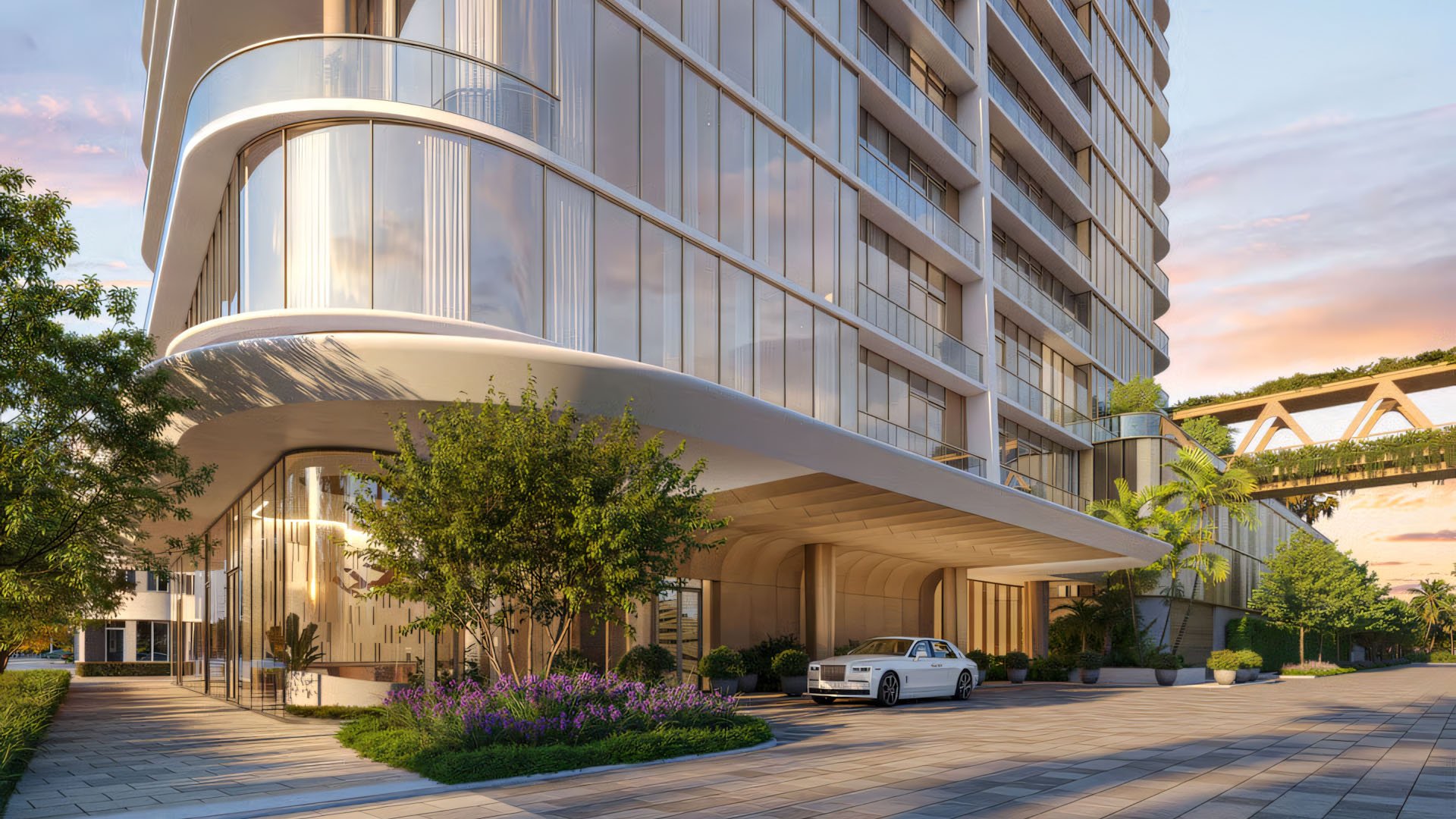
Kempinski Residences Miami Design District raises a question that extends beyond architecture, finish palettes, and brand recognition: how will the building actually live once residents arrive? For a luxury buyer, that answer can matter as much as exposure, ceiling height, parking, or the view corridor.
Building culture is the shared rhythm of a property. It is how residents use amenities, how staff interpret service, how privacy is protected, how guests move through the building, how pet policies feel in practice, how owners approach governance, and whether the overall mood is serene, social, highly programmed, family-oriented, investment-driven, or hospitality-forward.
Before contract, buyers often focus on what can be seen in a presentation gallery. The more refined evaluation studies what cannot be staged: the future community. In a branded residence, especially one associated with international hospitality, culture is not a decorative layer. It is the lived experience.
The first step is not asking whether the building is impressive. It is asking whether it matches your life. A full-time Miami resident may prioritize quiet elevator banks, predictable valet flow, and resident-only spaces. A second-home owner may care more about arrival experience, lock-and-leave ease, and a staff culture that can anticipate needs between visits.
An investment-minded buyer will evaluate whether the building’s likely rules, rental posture, and owner mix support long-term value. A lifestyle buyer may care less about rental flexibility and more about discretion, wellness, dining access, and whether neighbors treat shared spaces like private extensions of the home.
This is where comparisons help. Brickell often attracts buyers who accept more urban velocity. Miami Beach can bring a resort and waterfront sensibility. The Design District asks a different question: do you want proximity to design, fashion, dining, galleries, and cultural movement without necessarily living inside the most traditional beachfront or financial-core pattern?
A luxury brand can signal a standard, but buyers should still examine how service will be delivered at the residential level. Ask who manages resident-facing operations, how staff will be trained, and what services are included versus available on request. The distinction matters. Included service creates a baseline culture. A la carte service creates a more customized, though sometimes less uniform, daily experience.
Consider arrival choreography. Will the building feel like a private residence with hospitality polish, or a hospitality environment with private residences attached? Neither is inherently superior. The correct answer depends on the buyer. Some owners want staff visibility and a high-touch welcome. Others prefer a quieter, almost invisible service cadence.
Also evaluate how guests are handled. A building that welcomes social energy can feel vibrant. A building that tightly controls access can feel calmer and more private. Before contract, clarify policies around visitors, deliveries, house staff, private events, amenity reservations, and after-hours access.
Amenity quality is easy to admire. Amenity etiquette is harder to forecast. A spectacular lounge, pool, spa, or fitness environment will live differently depending on rules, staffing, reservations, guest allowances, and resident behavior.
Ask practical questions. Can residents reserve shared areas for private use? Are guests allowed in wellness spaces? How are peak-season conflicts resolved? Are children welcome in all areas or only certain zones? Are pets accommodated in a way that feels elegant, not improvised? Is there a clear standard for noise, music, smoking, catering, and photography?
For a Boutique buyer, the ideal culture may be intimate, with fewer residents and more familiar staff relationships. For a buyer accustomed to larger New Project communities, a broader amenity platform and a more active social scene may be desirable. The best fit is not about size alone. It is about whether the building’s rules support the life you actually intend to lead.
Luxury condo ownership is partly a lifestyle purchase and partly a shared enterprise. Governance shapes the future tone of the building. Before contract, review what can be reviewed: association structure, developer rights, approval powers, budget assumptions, reserve philosophy, insurance approach, leasing rules, and the process for future changes.
A building’s culture can shift when owners discover that their expectations differ. One group may value privacy above activation. Another may want frequent programming and generous guest access. Some may resist cost increases, while others may favor maintaining a more elevated service standard. These preferences affect staffing, amenities, assessments, and eventually Resale perception.
The most sophisticated buyers ask governance questions early because they understand that the contract does not only secure a residence. It secures participation in a community with financial and behavioral rules.
Rental flexibility can be attractive, but it can also alter the feel of a building. A highly owner-occupied culture may feel more settled, personal, and discreet. A more flexible rental environment may suit certain ownership strategies, but it can introduce greater variability in elevator use, amenity behavior, and front-desk interaction.
Before contract, buyers should ask for the exact rental rules and understand how they are enforced. Minimum lease terms, approval requirements, guest registration, platform restrictions, move-in procedures, and penalties for violations can all influence daily life.
The key is alignment. If you are buying for personal use, make sure the rental posture will not undermine the privacy you expect. If you are buying with Investment considerations, confirm that the building’s culture and documents support your intended strategy without relying on assumptions.
Building-culture fit does not stop at the lobby. The Design District has its own cadence, shaped by design, dining, retail, art, and evening activity. A buyer should visit at different times of day and on different days of the week. Morning calm, lunch traffic, weekend movement, and evening energy can each tell a different story.
This is especially important for buyers comparing neighborhoods across South Florida. Brickell may deliver immediate urban density and office-to-dinner convenience. Miami Beach may center water, sand, and resort atmosphere. Downtown may offer a different civic and cultural pulse. The Design District is more curated, more design-forward, and often more about proximity to taste-making environments than traditional resort living.
A residence can be exceptional and still be wrong for a buyer who wants another rhythm. The contract period is the time to be honest about that distinction.
Before signing, buyers should slow the process and ask disciplined questions. What is the anticipated resident profile? How will service be staffed? Which amenities are resident-only? What is the guest policy? What services are included in association costs? What services cost extra? What are the rental restrictions? How are violations handled? What approvals are required for modifications? How will programming be managed? What is the long-term operating philosophy?
Answers should be specific, documented where possible, and consistent across the sales, legal, and management narratives. If a response feels vague, ask again in a narrower way. In luxury real estate, clarity is not impolite. It is part of prudent ownership.
The most compelling purchase is not simply the residence that photographs beautifully. It is the one whose culture, economics, governance, and neighborhood rhythm feel aligned before the deposit becomes more difficult to reconsider.
What does building-culture fit mean? It means the residence, rules, service style, neighbors, and daily rhythm align with how you want to live or own.
Why does it matter before contract? Contract timing is when buyers still have leverage to clarify rules, costs, use rights, and expectations before obligations become more fixed.
Is brand reputation enough to judge culture? No. A brand can signal intent, but building culture depends on operations, governance, policies, resident behavior, and enforcement.
What should personal-use buyers prioritize? They should focus on privacy, amenity access, guest controls, staff consistency, noise standards, and the neighborhood’s daily rhythm.
What should investment-focused buyers review? They should review rental rules, approval procedures, operating costs, likely buyer demand, and how rental activity may affect Resale appeal.
How can I assess amenity culture? Ask how spaces are reserved, who may use them, whether guests are allowed, and how conflicts or peak-season demand are handled.
Should I visit the neighborhood more than once? Yes. Visit during morning, evening, weekday, and weekend periods to understand traffic, energy, dining patterns, and overall comfort.
What governance issues matter most? Budget discipline, reserve planning, leasing rules, developer rights, enforcement powers, and future decision-making all shape the ownership experience.
Can a highly social building still be luxurious? Yes, if the programming, access control, staffing, and etiquette are managed with consistency and discretion.
When should I bring in an advisor? Bring in an advisor before contract review so lifestyle goals, documents, costs, and long-term positioning can be evaluated together.
For a confidential assessment and a building-by-building shortlist, connect with MILLION.
If branded residences are on your mind — as a home or as an allocation — we would be glad to share what we are seeing, privately.
Begin a quiet conversation