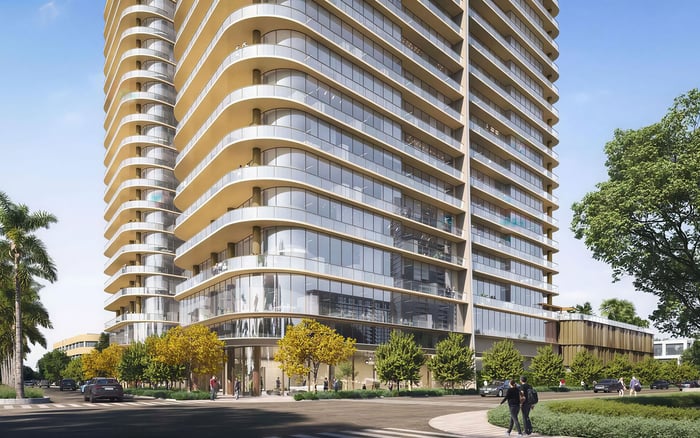
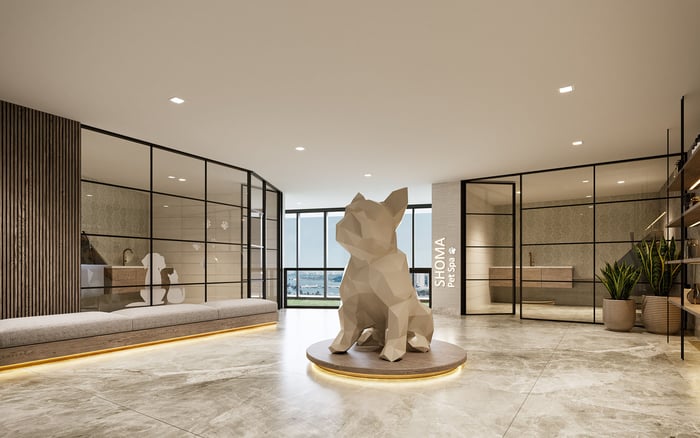
Miami Art Week 2026 offers a useful lens for evaluating an art-owning household’s residence management. For Design District buyers, the distinction is between a compelling cultural address and clearly defined responsibilities for collection movement, transport and insurance communication.

For a collector considering a residence in the Miami Design District, cultural proximity is part of the appeal. Yet an art-centered address and an art-ready household are different propositions. Miami Art Week 2026 offers a useful moment to examine that distinction: not simply where the owner will attend previews, but who will make decisions about the collection while the owner is elsewhere.
The residence-management test is an exercise in clarity. Collection evacuation, climate-controlled transport and insurer notice warrant separate discussions; none should be presumed part of a luxury service package. An elegant lobby or a compelling architectural identity does not, by itself, answer those questions.
For buyers evaluating Kempinski Residences Miami Design District, the inquiry is specific: which responsibilities would belong to residence management, which would remain with the owner, and which would require a separately appointed specialist? This is a framework for buyer evaluation, not a statement about the project’s services.
An Art Week itinerary may take a household between the Design District, Wynwood and Miami Beach. A residential plan should not confuse neighborhood proximity with proximity to every appointment. Confirm event locations and schedules before coordinating household access or collection-related visits.
For a household considering Miami Tropic Residences, the distinction is between the residence decision and the event itinerary. A neighborhood event listing is not a promise of private residential programming. Invitations, building access and collection-related appointments each merit confirmation.
Before planning around a preview, verify its admission conditions and timing. An invitation, a public admission window and a household service appointment are not interchangeable commitments. Avoid treating an anticipated event schedule as a confirmed arrangement for the residence.
A buyer considering The Perigon Miami Beach can apply the same test without assuming anything about the building’s operations. Which commitments depend on the owner’s presence, and which could be delegated? The fair calendar provides a planning framework; it does not establish residential staffing or collection-handling capabilities.
The phrase “collection evacuation plan” can suggest a finished protocol when it may describe only an intention. Before accepting it as a meaningful service, an owner could ask who would authorize a move, who would assess whether movement is appropriate, and who would receive the works at the destination. These are questions for the owner’s advisers, not universal operating rules.
The distinction between people’s safety and the disposition of artworks deserves particular care. A collection plan should never be read as permission to disregard emergency directions. Nor is this discussion an evacuation procedure: decisions about particular objects and circumstances belong with appropriately qualified professionals.
In purchase discussions, the strongest answer is not necessarily the broadest promise. It is a clear explanation of scope. Does management coordinate access, communicate with an owner-appointed specialist, or undertake another expressly agreed role? Ask for an answer that distinguishes coordination from custody and decision-making, rather than allowing all three to disappear into the word “service.”
“Climate-controlled” alone is not enough to evaluate a proposed collection move. The useful questions concern what the provider is offering for the particular works, how those conditions would be documented, and where responsibility would sit during the journey. No single temperature, humidity setting or vehicle specification is prescribed here.
An owner can ask a conservator and transport provider to define an appropriate approach before accepting a service description as sufficient. That discussion can also address proposed packing, any intermediate holding arrangement and delivery acceptance. These are matters to resolve for the collection, not assumed features of a prestigious residential address.
In Edgewater, a buyer evaluating Villa Miami could ask how an independently arranged art move would interact with residence access. The question does not imply that the project offers specialist transport. It keeps the building’s role distinct from the transporter’s and the owner’s.
Neither an Art Week invitation nor a Design District address establishes an insurer-notice obligation. The question is what the individual policy and proposed activity require. A temporary move, a new acquisition or another collection change should be discussed with the owner’s insurance adviser, without presuming that the same answer applies to every household.
A useful inquiry is precise: does the contemplated action require notice, consent or updated information under this policy? Who will obtain the answer, and who will communicate any agreed information? This article does not establish a notice deadline, a coverage condition or permission to move an artwork.
The buyer’s objective is to eliminate ambiguity between management assistance and insurance advice. A residence team’s willingness to help is not confirmation of coverage.
Lifestyle and architecture are essential dimensions of a residence, but neither substitutes for a defined management relationship. Cultural access can inform the choice of address; collection responsibilities require a separate conversation.
Before Art Week, consider asking the residence team and personal advisers to explain their respective roles in plain language. The decisive distinction is between an attractive general assurance and an answer tied to the owner’s actual arrangements. A sophisticated household need not expect one team to do everything. It should understand who is being asked to do what.
Explore South Florida residences through MILLION with cultural proximity and management clarity considered together.
If branded residences are on your mind — as a home or as an allocation — we would be glad to share what we are seeing, privately.
Begin a quiet conversationIt is a review of who is responsible for collection decisions, movement and insurance communication. Cultural proximity should be evaluated separately from those responsibilities.
No capabilities should be inferred from the address alone. Ask what management would do and what would require an owner-appointed specialist.
Confirm event locations, schedules and admission conditions. Coordinate household access and collection-related appointments separately.
No. An event invitation does not establish residential staffing or collection-handling arrangements.
Ask who would authorize a move, assess its appropriateness and receive the works. Clarify the residence team’s role with the owner’s advisers.
No. Collection planning should never be read as permission to disregard emergency directions.
Arranging access or communicating with a specialist is distinct from taking responsibility for artworks. Ask management to define its agreed role rather than relying on a general service promise.
No. Discuss the appropriate approach for particular works with a conservator and transport provider.
Ask about proposed conditions, documentation, packing, intermediate holding and delivery acceptance. Clarify where responsibility would sit during the journey.
The event calendar does not establish such a requirement. Ask the owner’s insurance adviser what the individual policy requires for the proposed activity.