A family-office framework for distinguishing advertised parking, valet and EV amenities from enforceable rights at Kempinski Residences Miami Design District, with document requests and peak-occupancy tests to guide purchase diligence.
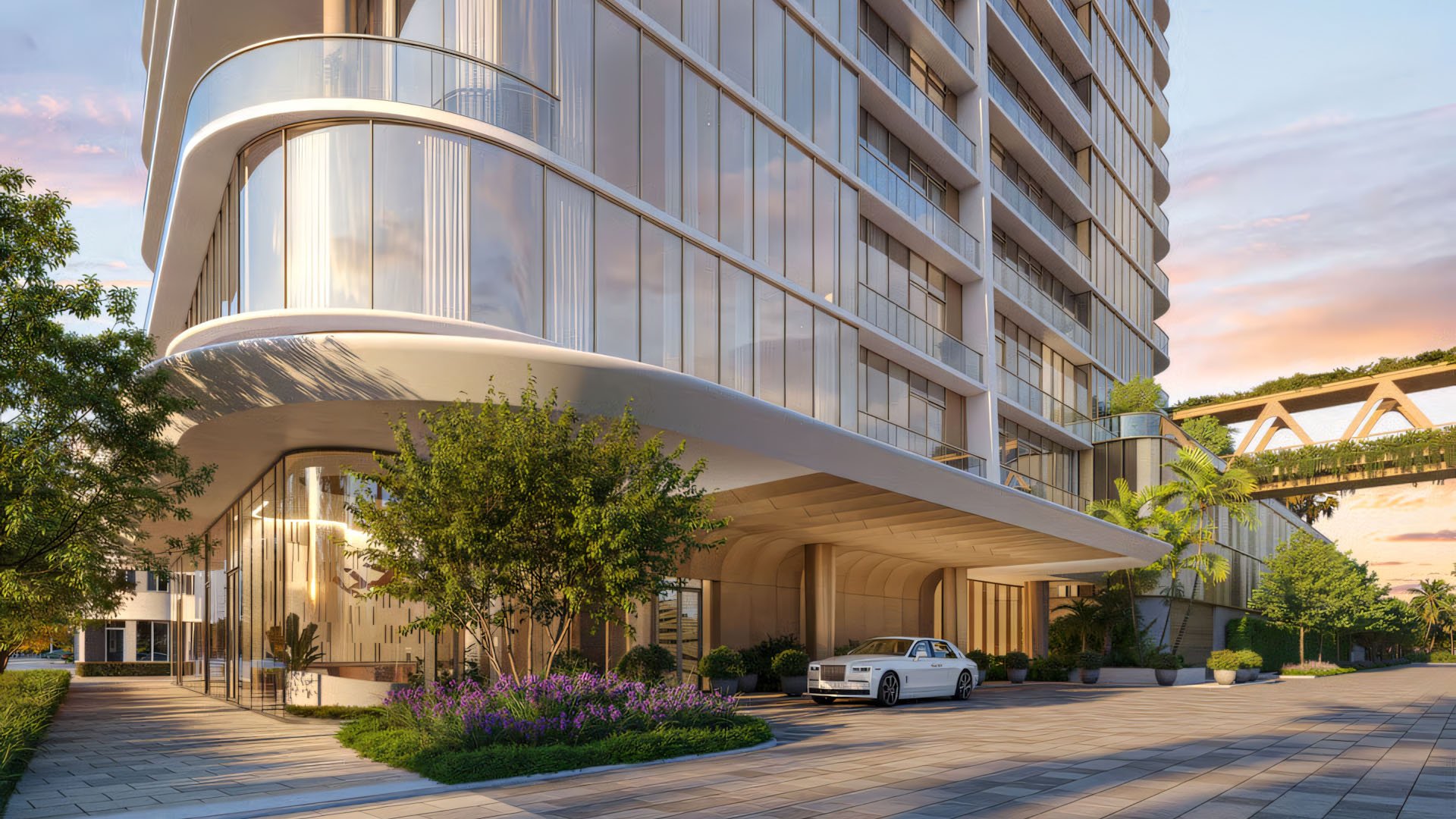
For a family office, residential luxury includes certainty of departure: a vehicle available when needed, a parking entitlement that survives ownership changes, and charging access that works when the building is busy. At Kempinski Residences Miami Design District, those questions warrant a dedicated diligence file, not a footnote to the amenity schedule.
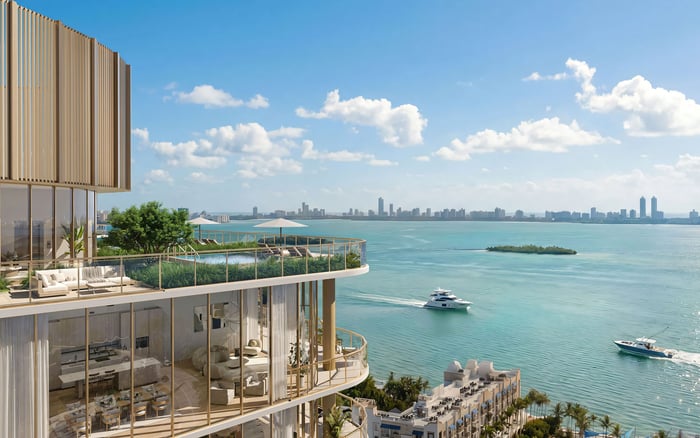
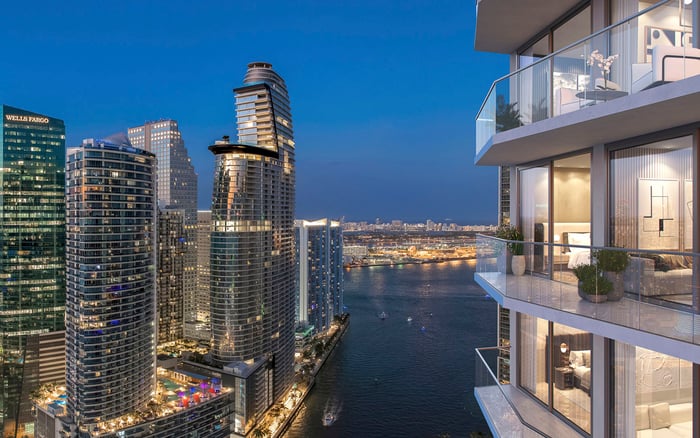
The project is marketed as a two-tower branded condominium at 3801 and 3883 Biscayne Boulevard, Miami, FL 33137, at the gateway to the Design District. The advertised count is approximately 132 residences, but residence counts and tower descriptions vary and should be reconciled with the offering documents. The project is presented as forthcoming-not as an operating garage with demonstrated peak-occupancy performance.
Assigned parking, valet service and EV charging are advertised. Advertising alone, however, does not establish the legal entitlement, operating capacity or allocation of liability a purchaser may need. The acquisition question is not simply whether an amenity exists, but what the buyer can enforce.
Onsite structured parking and assigned resident parking are marketed. Neither description establishes ownership of a particular space. It remains unresolved whether parking is deeded, designated as a limited common element, separately licensed or subject to association reassignment.
Counsel should obtain the declaration, parking exhibits, assignment schedule and any proposed deed or license. The file should connect the residence to a specific entitlement and establish whether that entitlement transfers on resale, can accompany a lease, can be exchanged or can be reassigned. If tandem spaces are contemplated, their terms should be explicit rather than assumed.
Practical usability warrants a separate review. Request the space location, dimensions, access route and any restrictions relevant to the household's vehicles. These are diligence requests, not confirmed project specifications. A family with multiple drivers should establish whether each vehicle can leave independently and whether self-parking is permitted.
Guest parking is also described, but the number of spaces, separation from resident parking, pricing and valet-only restrictions are not established. Guest accommodation should remain a distinct line item-not an assumed extension of a resident assignment.
Biscayne Residences Holdings LLC is identified as the developer, independent of the Kempinski group, with the Kempinski name used under license. That distinction matters: the brand disclaimer does not establish that Kempinski Hotels assumes responsibility for valet operations, vehicle damage, charging incidents or garage insurance.
The diligence file should identify each responsible party: developer, association, manager, valet operator and charging operator, where applicable. It should then match each party to its contract, insurance and obligations. A recognizable name cannot substitute for that allocation.
Apply the same discipline in a comparison with Cipriani Residences Brickell. The point is not to infer equivalent parking arrangements, but to apply a consistent document standard before allowing branding to influence the purchase decision.
For Kempinski, the marketed private valet closet should remain separate from this analysis. It is not evidence of a parking-space entitlement or a contractual vehicle-valet service guarantee.
Valet service, hospitality-trained staff, guest suites and personalized resident assistance are advertised. Those descriptions do not identify the valet operator, insurance limits, key-control procedures, claim deadlines or contractual allocation of vehicle-loss liability. Nor do they establish enforceable queue-time or retrieval commitments.
Request the operator agreement, staffing plan and operating hours. Counsel and the family's insurance adviser should examine coverage terms, exclusions, indemnities and the claims process; an insurance certificate alone is not a complete answer. The documents should explain who receives a claim, what evidence is required and which deadlines apply.
Operational questions are equally important. Ask how keys are logged, how vehicle condition is recorded at handover, who may authorize retrieval and how incidents are escalated. For a household using drivers or assistants, clarify authorized collection procedures before closing.
A dedicated house car for each tower is also advertised. Its hours, reservation priority, service radius and cost allocation are not established. Without written operating terms, it should not be treated as a guaranteed fallback for delayed vehicle retrieval.
“EV charging stations throughout” is an advertised amenity. That phrase does not establish charger count, power level, operator, fees, reservation rules or whether access will be assigned, shared or first-come-first-served. For an electric-vehicle household, those distinctions determine whether charging fits everyday use.
Request a charger-location schedule, equipment specifications and electrical-load analysis. The file should identify ownership, maintenance standards, replacement obligations and billing terms. Ask whether charging is attached to an assigned space or requires moving the vehicle, and whether residents or valet staff will handle that movement.
Shared access needs clear rules for reservations, priority, session length and vehicles left after charging ends. Outage procedures should address notification, repair responsibility and any temporary alternative. None of these protections should be presumed from the advertised presence of equipment.
A buyer also considering EDITION Edgewater can apply the same questions without assuming either property offers identical infrastructure or access rights. Compare documented usability, not amenity vocabulary.
Guest suites, valet service and hospitality operations create potentially overlapping demand. No parking-demand study or peak-period service commitment is established. Peak occupancy therefore calls for a planned test, not a reassuring adjective.
Request a traffic and parking plan covering resident arrivals, overnight guests, valet staging, loading, ride-share areas, accessible spaces, fire lanes, overflow and Biscayne Boulevard access. The analysis should reconcile guest allocation with resident entitlements and show how arrivals and departures are managed when demand overlaps.
Ask the operating team to model simultaneous vehicle retrievals, guest arrivals and charging demand, including a charger outage or reduced valet staffing. These are proposed stress scenarios, not predictions of failure. They test whether capacity and procedures support the household's expectations when several services are needed at once.
For a pre-construction purchase, the final task is to separate confirmed rights, proposed operating rules and unresolved commitments. Marketing specifications and amenities are preliminary and subject to change; commercially important terms should be addressed in binding purchase documents, not left in presentation materials.
Ask counsel to negotiate the parking entitlement, material charging commitments and any agreed valet standards, together with remedies for material delivery differences. The objective is not to prescribe every operational detail. It is to ensure that the household's essential requirements have a defined counterparty and an enforceable basis.
Explore South Florida residences with MILLION and bring the same document-led discipline to your shortlist.
If branded residences are on your mind — as a home or as an allocation — we would be glad to share what we are seeing, privately.
Begin a quiet conversationThe project is marketed at 3801 and 3883 Biscayne Boulevard, Miami, FL 33137, at the gateway to the Design District.
Marketing describes approximately 132 residences, but counts and tower descriptions vary. Buyers should reconcile them with the offering documents.
No ownership right is established by that description alone. The declaration and parking documents must clarify whether the entitlement is deeded, a limited common element, licensed or subject to reassignment.
Resident and guest parking are described, but guest-space counts, pricing, separation from resident spaces and valet-only restrictions are not established.
No. The developer is identified as independent of the Kempinski group, and the licensing disclaimer does not establish that Kempinski Hotels assumes vehicle-loss or garage liability.
Request the operator agreement, staffing and hours, retrieval standards, key controls, claims procedures, insurance policies and allocation of liability.
No parking entitlement or contractual vehicle-valet guarantee is established by the marketed private valet closet.
EV charging stations are advertised, but charger count, power, fees and access rules are not established. Buyers should confirm whether charging is assigned or shared.
The project is presented as forthcoming, not as an operating garage with demonstrated performance. Buyers should request a parking-demand plan and peak-period operating scenarios.
Ask counsel to incorporate commercially important commitments into binding purchase documents, with remedies for material delivery differences.