Buying in Coconut Grove can feel like a strategic move for families eyeing Ransom Everglades, but real admissions outcomes hinge on timing, fit, and process. This editorial sets expectations for buyers, outlines practical steps to de-risk the school search, and explains why the right home decision is still valuable even without an admissions guarantee.
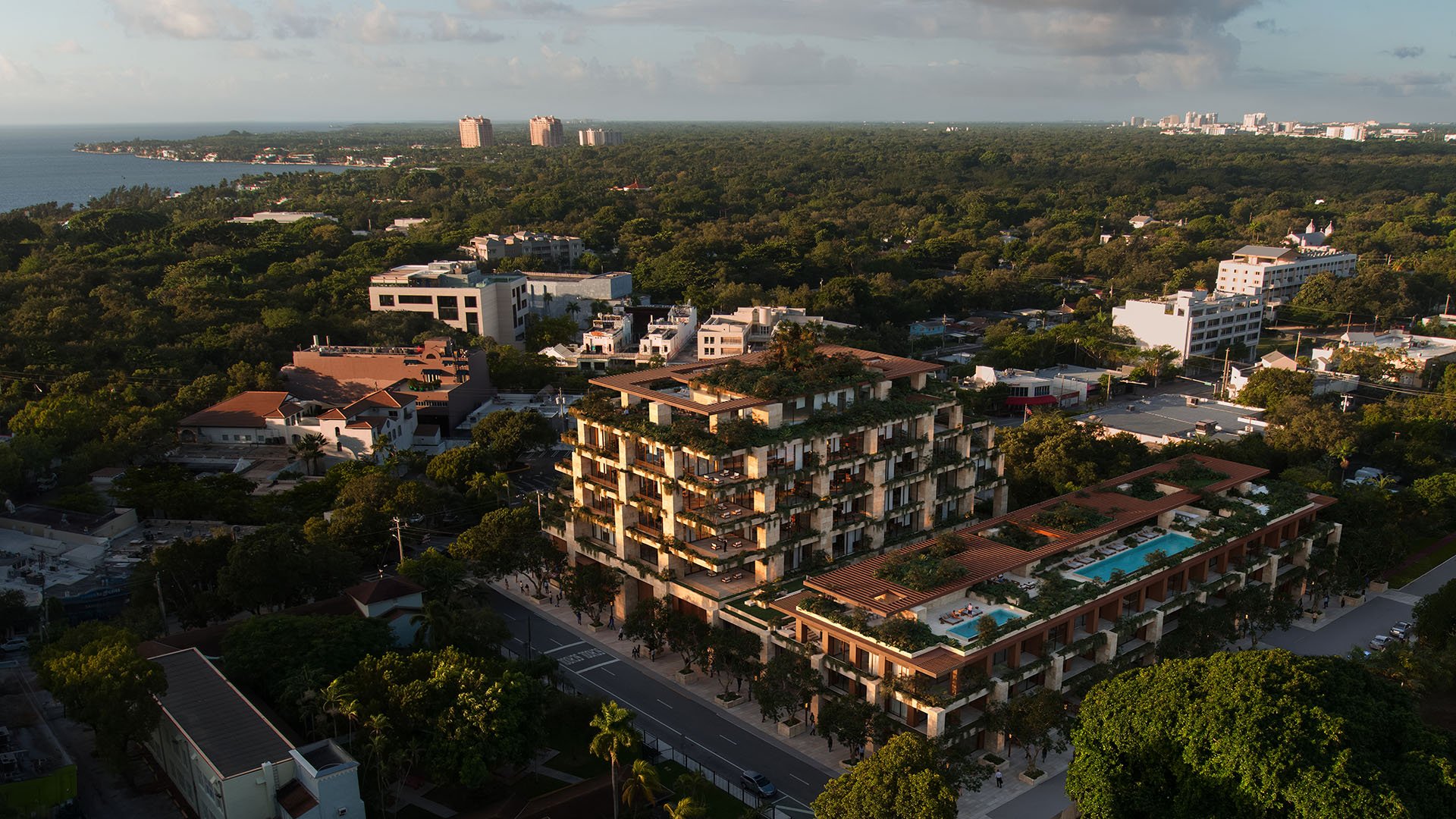
In South Florida’s most established pockets, families often buy with two timelines in mind: the lifestyle timeline and the school timeline. Coconut Grove is built for the first. It delivers a walkable village core, marinas, parks, and a distinctly residential rhythm that feels insulated from the velocity of the urban core.
The second timeline, however, is where expectations need recalibration. Purchasing in Coconut Grove can make daily life more elegant if a child attends Ransom Everglades, but a home purchase is not a lever in admissions. Schools evaluate students and families, not deeds. Even when geography is a logistical advantage, it is rarely a decisive credential.
For buyers, the right mental model is simple: a Grove address can reduce commute friction and reinforce a family’s long-term presence in the community, but it cannot convert interest into an offer.
Selective independent schools tend to look for the same underlying signals, even when they express them differently: academic readiness, character, engagement, and a family that understands the school’s culture. In practice, outcomes are shaped by variables a closing statement cannot change.
The Grove can support credibility in one narrow way: it helps a family live the lifestyle they describe. If you say you value community, outdoor time, and long-term roots, living in Coconut Grove makes that narrative feel consistent. But consistency is not the same as preference.
A more useful approach is to think like an investor assessing downside risk. You are underwriting two variables at once: your child’s competitiveness for the specific entry year, and the household’s ability to thrive even if the initial plan changes. If your home only makes sense with a specific admissions result, it is not a home decision. It is a wager.
In premium markets, families often buy when inventory aligns with taste and budget, not when the school calendar is convenient. That mismatch is where anxiety enters. The safest posture is to separate the two decisions.
If you are relocating, treat the purchase as a long-horizon lifestyle move and treat admissions as a parallel track with optionality. Renting can be a rational bridge when you need flexibility, particularly if you are still learning your child’s best-fit environment.
If you are committed to purchasing, prioritize homes that deliver value independent of school placement: privacy, greenery, water access, and proximity to the village core. In Coconut Grove, that can also mean selecting a residence with a hospitality-level service profile for the “first year of transition,” when schedules are most demanding. Buyers who want new construction and a turnkey experience often compare options like Four Seasons Residences Coconut Grove and The Well Coconut Grove because the support systems and amenities can de-risk family logistics while the school plan evolves.
A disciplined buyer treats admissions risk the way they would treat insurance and inspection risk: you do not ignore it, and you do not assume it will break your way.
Before you commit to a purchase with “Ransom” in the subtext, run a structured decision tree:
First, define your true constraints. Is it commute time? Is it a specific curricular or extracurricular emphasis? Is it social fit? Families frequently discover that what they thought was a school requirement was actually a lifestyle requirement. Coconut Grove can satisfy many lifestyle requirements, regardless of the uniform.
Second, map realistic alternatives that still feel like a win. The goal is not to settle; it is to avoid a zero-sum mindset. When you can name a credible Plan B and Plan C before you buy, you restore negotiating power with yourself.
Third, decide what you will do if the outcome arrives after the closing. A buyer who needs an immediate school solution is exposed. A buyer who can absorb one or two transitional years has leverage.
Finally, protect your household rhythm. The Grove is alluring precisely because it is livable. If the home requires major renovations, a long commute to interim schools, and a compressed admissions timeline, the family will feel the strain.
The advantage of Coconut Grove is not that it guarantees a particular campus. It is that it functions as a long-term family neighborhood.
Tree canopy, water orientation, and a high concentration of parks create a daily life that is difficult to replicate elsewhere in Miami. For many families, this translates into a calmer baseline, which matters during the admissions cycle when children are navigating interviews, assessments, and new social settings.
And the luxury buyer’s truth is this: a strong home choice in the Grove retains its intrinsic value. A well-bought property in a proven neighborhood tends to be resilient, even when your family’s school path takes a different route than the one you pictured.
For buyers drawn to a more design-forward, boutique feel, Opus Coconut Grove is often evaluated as part of the broader “Grove lifestyle portfolio,” especially for families who want proximity to the village and a refined, low-friction living experience.
Admissions teams can sense when a family treats school as a status acquisition rather than an educational partnership. If you are relocating from outside South Florida, the temptation is to lead with the purchase as proof of commitment. That framing can backfire.
A more sophisticated narrative is to articulate why Coconut Grove fits your family’s daily values: walkability, access to nature, a community that supports year-round outdoor living, and a pace that allows students to thrive. The home is a supporting detail, not the headline.
If asked about relocation timing, be honest and composed: you moved for overall family life and are exploring the best educational match. That posture reads confident rather than contingent.
In a competitive market, buyers sometimes pay a premium for the idea that they are “buying into” a school. The problem is not the premium itself; it is the premise.
When you purchase under the assumption of a guaranteed admissions outcome, you narrow your acceptable resale audience to families with the same assumption. That audience is never as broad as buyers think.
Instead, buy for utility that a wide range of high-net-worth households values: an efficient floor plan, privacy, outdoor space, quality light, and access to the best parts of the neighborhood. If the home works beautifully as a family residence and as an asset, the school decision becomes important-but not existential.
Some families love Coconut Grove but realize the ideal home is scarce at the exact moment they need it. Others want a similar feel with different trade-offs. Having alternatives does not dilute your plan; it strengthens it.
If your family expects to spend significant time in Brickell for work, a residence like 2200 Brickell can offer a polished, city-forward base while you finalize the school strategy. It is a different rhythm than Coconut Grove, but it can be operationally efficient.
If your lifestyle leans coastal, Miami Beach can deliver a distinct sense of arrival and a resort-grade daily routine. For some families, that becomes a compelling interim choice while the education plan stabilizes, and developments such as 57 Ocean Miami Beach are often considered for their elevated residential experience.
These comparisons are not about abandoning the Grove. They are about refusing to put your family’s entire first year in Miami on a single variable.
There is no shortcut that replaces a strong student profile and authentic fit, but there are behaviors that reduce friction.
Start early and treat the process like a calendar, not a hope. Build a clean schedule for tours, interviews, and required materials. Keep school communications polished and timely.
Develop a coherent family story that is true. Why this school’s pedagogy and culture? Why now? What does your child contribute? Specificity signals maturity.
Preserve your child’s energy. The admissions season can turn into an endless string of adult expectations. Families who keep routines stable tend to present better, because the child presents better.
And, importantly, keep the home decision elegant: choose a residence that supports mornings, homework, and recovery. In the Grove, wellness-forward living is not a buzzword; it is a practical asset when schedules are dense.
Coconut Grove remains one of Miami’s most enduring luxury neighborhoods because it delivers an everyday quality of life that is difficult to replicate. If your family ultimately lands at Ransom Everglades, the proximity and community integration will feel like a quiet advantage.
But the reality is that admissions cannot be purchased, pre-negotiated, or implied through an address. The most sophisticated buyers accept this early. They buy in Coconut Grove because it is where they want to live, and they pursue the right school with patience, clarity, and options.
Does buying a home in Coconut Grove increase my child’s chances at Ransom Everglades? It can improve logistics and signal long-term intent, but it is not an admissions guarantee.
Should we rent in Coconut Grove first while applying? Renting can preserve flexibility if timing is tight or if you want optionality across schools.
Is it risky to buy before we have an admissions decision? It can be if the home only works for your family with a specific school outcome.
What should we prioritize in a Coconut Grove purchase if schools are uncertain? Prioritize livability and resale fundamentals: layout, privacy, light, and daily convenience.
Can we plan on transferring in after we move? Transfers can be possible, but families should assume competition and plan alternatives.
How do we discuss our move without sounding like we bought for admissions? Lead with lifestyle and educational fit, and treat the home as a supporting detail.
Does living closer to campus matter? Proximity helps daily operations, but admissions decisions are typically driven by fit.
What is the smartest way to manage the admissions calendar during relocation? Build a structured timeline early and keep communications and materials impeccable.
If we do not get in, does Coconut Grove still make sense? Yes, if you bought for the neighborhood’s intrinsic lifestyle and long-term value.
Can a luxury condo lifestyle support a demanding school schedule? Yes, service, amenities, and turnkey living can reduce friction during transition.
For a discreet conversation and a curated building-by-building shortlist, connect with MILLION Luxury.
If branded residences are on your mind — as a home or as an allocation — we would be glad to share what we are seeing, privately.
Begin a quiet conversation