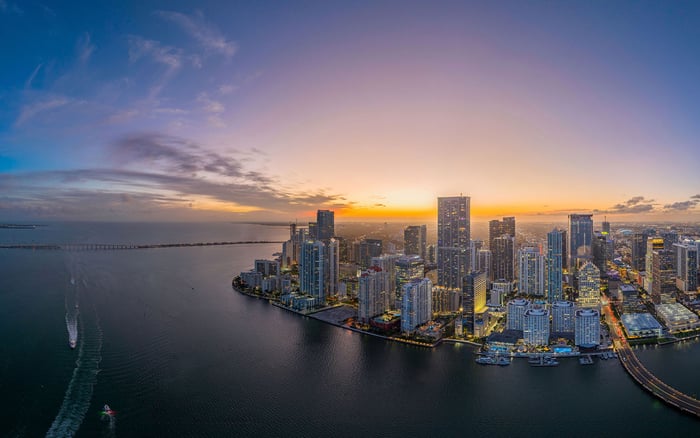
A discreet guide to reading title exceptions in luxury condo acquisitions, with emphasis on quiet risks, resale confidence, financing clarity, and disciplined buyer review.
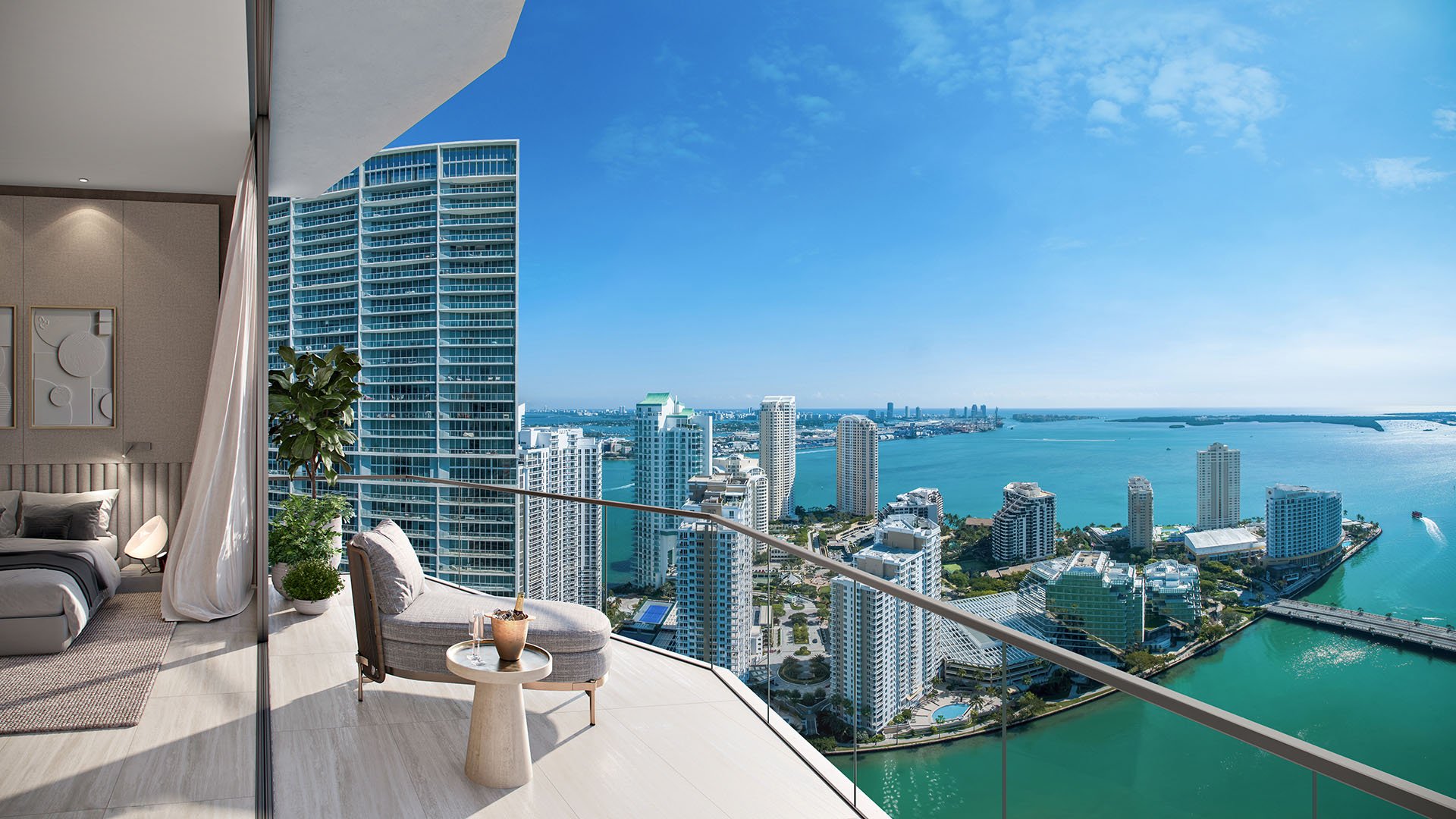
In South Florida luxury real estate, buyers tend to focus on what can be seen and touched: the view corridor, the arrival sequence, the finish package, the ceiling height, the terrace depth, the garage experience, the private elevator. Yet some of the most consequential details sit in a quieter place: the title commitment, and more specifically, the exceptions that survive closing.
A title exception is not automatically a defect. It is often a disclosure of something that will not be insured over, removed, or ignored simply because the purchase price is significant. In condominium transactions, exceptions may include recorded declarations, easements, use restrictions, assessment rights, development rights, maintenance obligations, access arrangements, and other recorded instruments that shape what ownership actually means.
For a luxury buyer, the central question is not whether exceptions exist. They almost always do. The better question is whether those exceptions are ordinary, understood, and reflected in the decision-or whether they quietly alter the experience, flexibility, or future marketability of the residence.
At the ultra-premium level, buyers are not merely purchasing square footage. They are purchasing discretion, certainty, lifestyle control, and confidence on exit. A title issue that might be tolerable in a standard transaction can become more sensitive when the residence sits within a complex vertical community, a branded waterfront enclave, or a building with layered shared amenities.
The higher the price, the more exacting the assumptions. A buyer may expect unfettered use of certain amenities, predictable parking rights, straightforward leasing flexibility, or the ability to combine, renovate, finance, or resell without friction. Title exceptions can either support those assumptions or quietly complicate them.
This is why title review should not be treated as a clerical event delegated to the final week before closing. In a sophisticated purchase, exceptions belong in the same conversation as association documents, insurance, building reserves, financing conditions, and the buyer's long-term plan for the asset.
The first document many buyers see is the title commitment. Within it, the exception schedule deserves close attention. General exceptions may relate to matters not shown by public record, while specific exceptions usually identify recorded instruments that apply to the property. In a condominium, those specific exceptions can be especially important because they often point to the declaration, amendments, plat, bylaws, rules, easements, and rights reserved by the association or developer.
The condominium declaration is often the most influential document in the stack. It may define limited common elements, unit boundaries, use rights, maintenance obligations, voting rights, expense allocations, alteration rules, leasing restrictions, and association powers. It can also clarify whether a terrace, cabana, storage space, dock, or parking space is part of the unit, a limited common element, or a separately assigned right.
For buyers comparing Brickell towers, Miami Beach oceanfront condominiums, Sunny Isles residences, new-construction offerings, resale opportunities, and investment-oriented acquisitions, the same principle applies: luxury does not eliminate paperwork. It raises the importance of reading it well.
A common mistake is assuming that every exception is adverse. Many are entirely normal. A condominium declaration, for example, is not a red flag simply because it appears as an exception. Without it, the condominium regime would not function. Easements for utilities, access, drainage, services, and building operations may be routine and necessary.
The issue is context. Does the exception merely acknowledge the structure of shared ownership, or does it burden the unit in a way that changes value or use? Does it limit leasing in a way that conflicts with the buyer's plan? Does it create an access or maintenance obligation that is broader than expected? Does it reserve development or modification rights that could affect views, privacy, or amenity use? Does it exclude coverage for a matter that should be investigated before funds are released?
In luxury condos, a well-understood exception can be acceptable. An unread exception is the problem.
Some of the most emotionally charged issues in condominium purchases involve elements that feel personal but may be legally nuanced. A parking space may be deeded, assigned, licensed, or treated as a limited common element. A storage area may be exclusive in practice but governed by association rules. A terrace may feel like an extension of the residence but remain subject to architectural, maintenance, and use restrictions.
The purchase contract may say one thing in conversational terms, while the recorded documents express the legal structure more precisely. Buyers should reconcile the marketing narrative, contract language, association documents, and title exceptions before assuming that a valuable feature is owned, transferable, financeable, or usable without limitation.
This is particularly important when lifestyle expectations are central to the acquisition. A waterfront buyer who values a private parking arrangement, service access, or terrace entertaining should know whether the right is durable, revocable, rule-based, or tied to the unit in a way that will matter at resale.
Title exceptions do not only affect the day of closing. They can influence how a lender views collateral, how a future buyer evaluates risk, and how smoothly a resale proceeds. A luxury buyer may have the resources to close without conventional financing, but the next buyer may not. Even cash acquisitions benefit from thinking like a future lender and a future purchaser.
If an exception creates ambiguity around access, ownership, priority, or use, the issue may return later with more urgency. The cleanest moment to ask questions is before closing, when the buyer still has leverage, time, and optionality. After closing, the same issue may become a negotiation with the association, a legal analysis, or a pricing discussion with a future purchaser.
A polished closing package is valuable. A defensible ownership position is better.
Sophisticated buyers can benefit from a simple internal memo that translates title exceptions into practical questions. The memo does not need to be dramatic. It should be concise, disciplined, and tied to the buyer's intended use of the property.
First, identify which exceptions are standard and which deserve review. Second, connect each meaningful exception to a practical issue: use, access, maintenance, cost, financing, leasing, alteration, privacy, view, amenities, or resale. Third, decide who should respond: counsel, title professional, association representative, lender, surveyor, or the seller's side. Fourth, capture the answer in writing where appropriate.
This process helps separate noise from risk. It also gives the buyer a clearer way to compare alternatives across South Florida's most competitive condominium corridors. Two residences may appear similar in finish and view, yet differ meaningfully in ownership structure, use flexibility, and future transferability.
The most refined buyers do not treat due diligence as pessimism. They treat it as preservation of optionality. A title exception review is not about finding reasons to walk away from a beautiful residence. It is about understanding exactly what is being purchased, what is shared, what is limited, and what remains outside the protection of title insurance.
In South Florida, where vertical living often combines architecture, hospitality, waterfront access, association governance, and long-term capital planning, this clarity is part of the luxury experience. The best purchase is not simply the one that photographs well. It is the one that can be owned, enjoyed, financed, improved, and resold with confidence.
The quiet-risk question behind title exceptions is ultimately simple: does anything in the record change the buyer's expectations? If the answer is no, the closing becomes cleaner. If the answer is yes, the buyer has the chance to negotiate, clarify, insure, document, or reconsider before the keys are accepted.
What is a title exception in a luxury condo purchase? It is a matter listed in the title commitment that is not covered by the title policy. In condos, it often points to recorded documents that govern ownership and use.
Are title exceptions always bad? No. Many are normal for condominium ownership, but they should still be read in context.
Why do condo declarations appear as exceptions? They define the legal framework of the condominium, including unit rights, shared areas, rules, and association powers.
Can a title exception affect resale? Yes. If it creates uncertainty about use, access, ownership, or restrictions, a future buyer or lender may ask questions.
Should cash buyers care about exceptions? Absolutely. Cash avoids lender review, but it does not remove legal, use, or resale concerns.
What condo features deserve extra review? Parking, storage, terraces, cabanas, docks, leasing rights, alteration rights, and access arrangements often deserve careful attention.
Can title insurance remove every risk? No. A title policy generally excludes matters listed as exceptions, which is why review before closing is important.
Who should review title exceptions? Buyers typically rely on qualified real estate counsel and title professionals, especially for high-value condominium transactions.
When should title exceptions be reviewed? They should be reviewed as early as possible after the title commitment is available, not at the last moment before closing.
What is the main takeaway for luxury buyers? The goal is not a blank exception list. The goal is a clear understanding of which exceptions are routine and which affect ownership.
If you'd like a private walkthrough and a curated shortlist, connect with MILLION.
If branded residences are on your mind — as a home or as an allocation — we would be glad to share what we are seeing, privately.
Begin a quiet conversation