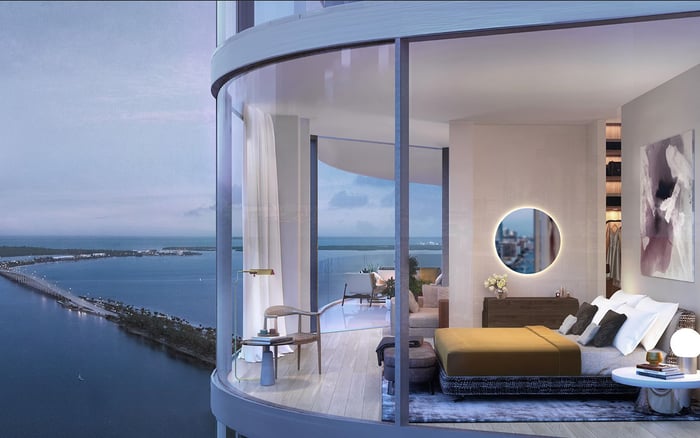
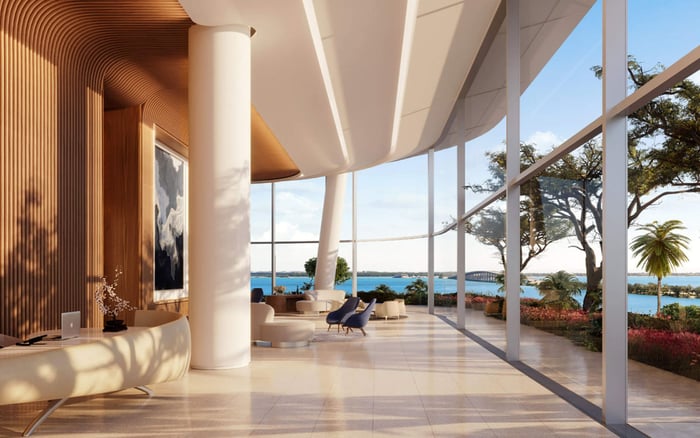
A buyer-focused editorial on why acoustic glass should be evaluated as part of a complete quiet-living strategy in South Florida luxury condos, not as a standalone promise.
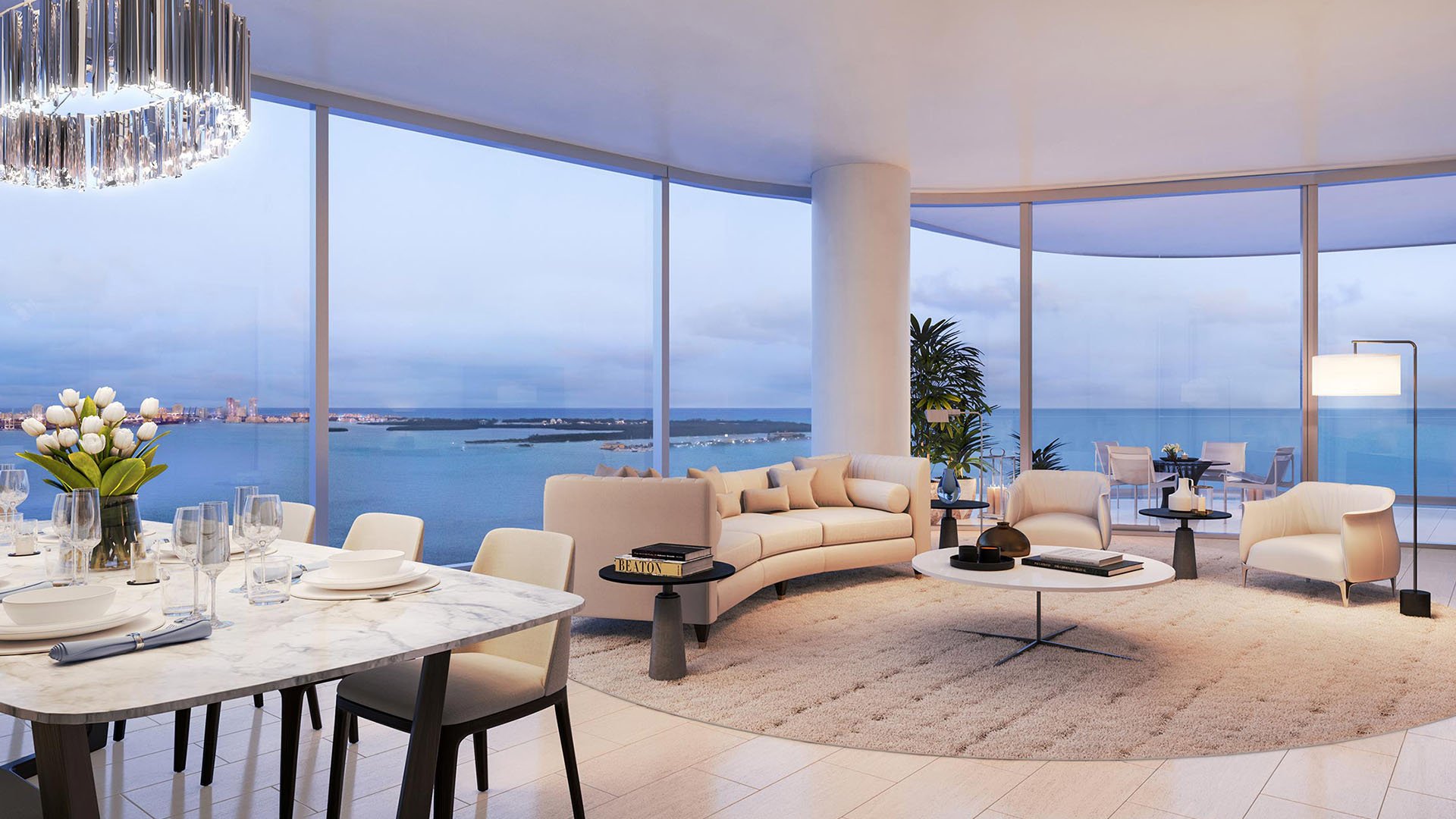
In the upper tier of South Florida condominium living, the most persuasive luxuries are often the least visible. A private elevator arrival, a refined service sequence, a perfectly proportioned terrace, and a calm interior soundscape all contribute to the feeling that a residence has been composed, not merely specified. Acoustic glass belongs in that quieter category. It is rarely the first feature a buyer mentions, yet it can shape daily life from the first morning coffee to the last conversation after dinner.
The risk is not that acoustic glass is unimportant. The risk is that buyers may treat the phrase as a complete answer. In a premium condominium, acoustic comfort is the result of a system: glazing, framing, seals, façade design, mechanical planning, unit orientation, door assemblies, terrace conditions, and the way a building is used over time. A glass specification can be excellent and still leave questions unanswered if the surrounding details are not equally disciplined.
That is why the quiet-risk question matters. It is less about whether a residence has acoustic glass, and more about what the glass is being asked to solve.
South Florida luxury buyers are not only purchasing square footage. They are purchasing control. They want sunlight without glare, views without exposure, service without friction, and urban access without intrusion. In that context, noise becomes a form of volatility. It is not always visible during a midday showing, and it may not present the same way on a weekday afternoon as it does during an evening arrival, a weekend gathering, or a seasonal surge in neighborhood activity.
The vocabulary of luxury has expanded accordingly. Buyers still ask about ceiling heights, stone, appliances, parking, staff, and wellness amenities. Increasingly, they also ask how a residence feels when the doors are closed. Does the primary suite feel sheltered? Does the living room retain its calm when the terrace is active? Does the home office support concentration? Does the residence preserve the emotional distance a buyer expects from a major acquisition?
This discipline applies whether the search is in Brickell, Miami Beach, Sunny Isles, Fort Lauderdale, or an oceanfront new-construction setting. The settings differ, but the core question is the same: has quiet been designed as an integrated experience, or added as a specification line?
Acoustic glass can be an important part of a quieter residence. Its purpose is to reduce the transmission of exterior sound through glazed openings, which is especially relevant in buildings where expansive views and large glass walls are central to the architecture. In South Florida, where indoor and outdoor living are deeply intertwined, glass is both a visual luxury and a technical responsibility.
Yet glass alone is not the residence. Sound can find weak points through frames, operable panels, sliding door systems, penetrations, transitions, and adjacent assemblies. A beautiful wall of glass with compromised perimeter conditions may not perform as expected. A terrace door that looks seamless may still require careful attention to seals and closure. A high-performance pane can be undermined by a less thoughtful installation.
For buyers, the best posture is neither skeptical nor overly trusting. It is precise. Ask what acoustic objective was contemplated for the residence. Ask how the glazing interacts with the façade system. Ask whether bedrooms and entertaining areas were considered differently. Ask whether the building team can explain the relationship between view, ventilation, terrace access, and sound control in plain language.
A truly premium response will not rely on adjectives. It will describe a coordinated design intent.
One of the most overlooked aspects of acoustic diligence is that two residences in the same building can have very different quiet profiles. Exposure matters. Height matters. Corner conditions matter. Proximity to amenity decks, porte cochères, mechanical zones, loading areas, neighboring terraces, and active streets can all affect the lived experience of a home.
A buyer comparing lines should avoid building-wide assumptions. The most desirable view may not always be the quietest exposure. The most dramatic terrace may introduce different acoustic considerations than a more sheltered plan. A lower floor may feel connected and convenient, while a higher floor may offer a different degree of separation from activity. None of these conditions is inherently negative. They simply need to be priced, understood, and matched to the buyer’s lifestyle.
This is where luxury advisory becomes practical. A frequent host may accept a more animated exposure in exchange for entertaining drama. A buyer who works from home may place a premium on bedroom and study calm. A second-home owner may care most about weekend tranquility. A family may evaluate nighttime conditions differently than a seasonal resident. The right answer is personal, but the questions should be systematic.
A refined buying process should treat acoustic comfort as a pre-contract topic, not a post-closing surprise. Begin with the sales presentation, but do not stop there. Request a clear explanation of the glazing and exterior wall approach. Ask how operable doors and windows are intended to perform. Review the location of the residence within the building. Study what sits above, below, beside, and across from the unit.
Then think beyond the plan. Consider the path from arrival to residence. A building may be serene inside the unit but active around the entrance, valet, marina edge, restaurant component, pool deck, or shared amenity areas. The quietest luxury residences often succeed because the entire sequence has been considered, not only the final pane of glass.
For completed residences, visit at more than one time when possible. Stand in the primary suite. Close the doors. Listen without conversation. Spend time near the terrace threshold. Notice whether the sound profile feels like a soft background or a recurring distraction. For pre-construction purchases, the emphasis shifts to documentation, specifications, design team credibility, and the clarity of the developer’s answers.
The objective is not to eliminate all sound. In an urban coastal market, total silence is rarely the promise. The objective is to understand whether the residence delivers the level of calm appropriate to its price, position, and intended use.
Quiet is not only a lifestyle feature. It can become a resale conversation. Future buyers may be more sophisticated about acoustic comfort than past buyers were, especially in glass-forward towers where design ambition and urban energy meet. A seller who can speak clearly about the residence’s quiet qualities may have an advantage over one who relies on vague assurance.
Documentation helps. So does lived experience. If a residence has a reputation for calm, it becomes part of its intangible value. If a home has an unresolved acoustic irritation, that issue may surface during showings, negotiations, or buyer inspections. In the ultra-premium segment, even small frictions can carry weight because expectations are so high.
This is why the acoustic question belongs beside other serious due-diligence topics. Buyers already examine association health, service quality, finish durability, parking, storage, privacy, and view protection. Quiet deserves similar attention because it influences daily enjoyment in a way that cannot be fully captured in photography.
For MILLION clients, acoustic glass should be read as a signal to ask better questions, not a reason to stop asking them. The most compelling residences are not the ones that merely claim quiet. They are the ones where architecture, engineering, planning, and lifestyle align.
In that sense, quiet is a marker of maturity. It shows whether a project understands how luxury is actually lived. The eye may buy the view, but the body remembers the atmosphere. When the doors close and the residence settles into itself, the best homes deliver a feeling that is difficult to photograph and impossible to fake: composure.
Is acoustic glass the same as soundproof glass? No. Acoustic glass is intended to reduce sound transmission, but no single material should be treated as a complete soundproofing guarantee.
Should buyers ask about acoustic glass in every luxury condo? Yes. It is especially relevant in glass-forward residences, but the broader façade and installation details are just as important.
Does a higher floor always mean a quieter residence? Not always. Height can change the sound experience, but exposure, orientation, and nearby building features also matter.
Can terrace doors affect acoustic comfort? Yes. Operable doors, seals, frames, and thresholds can influence how sound is experienced inside the residence.
Is quiet more important for primary residences than second homes? It depends on use. Primary owners may notice daily patterns, while second-home owners may focus on rest, weekends, and privacy.
What should a buyer ask a sales team? Ask how the glazing, façade, doors, and unit orientation work together to support interior calm.
Can acoustic issues affect resale? They can. In the luxury segment, buyers may discount homes that feel less serene than their price point suggests.
Is complete silence a realistic expectation? Usually not. The better question is whether the residence offers a refined and appropriate level of calm.
Should pre-construction buyers handle this differently? Yes. They should rely more heavily on specifications, design intent, documentation, and the clarity of the development team’s answers.
Why does MILLION focus on quiet as a luxury factor? Because the best residences are judged not only by how they look, but by how they feel when lived in.
For a tailored shortlist and next-step guidance, connect with MILLION.
If branded residences are on your mind — as a home or as an allocation — we would be glad to share what we are seeing, privately.
Begin a quiet conversation