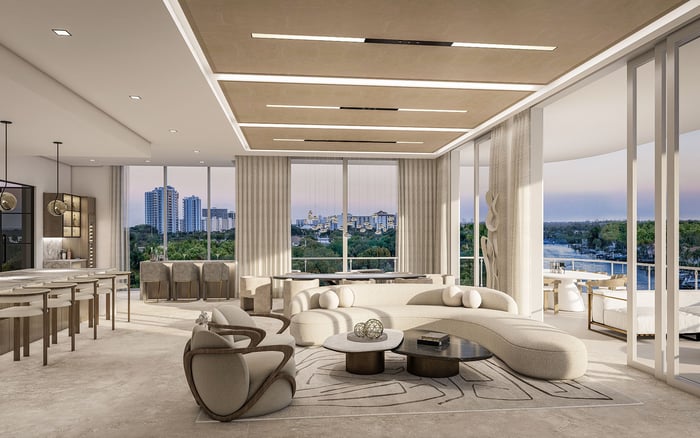
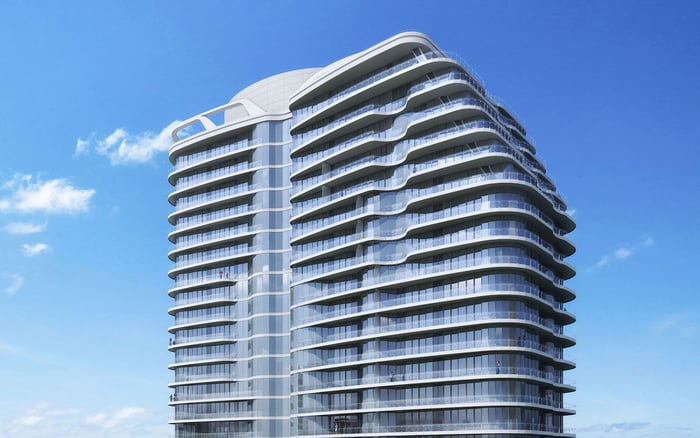
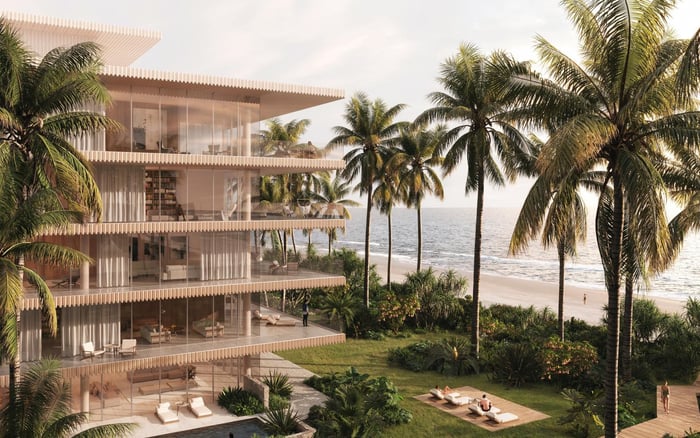
A discreet buyer’s guide to West Palm Beach for those who define luxury through club access, privacy, service rhythm, and daily ease rather than spectacle.
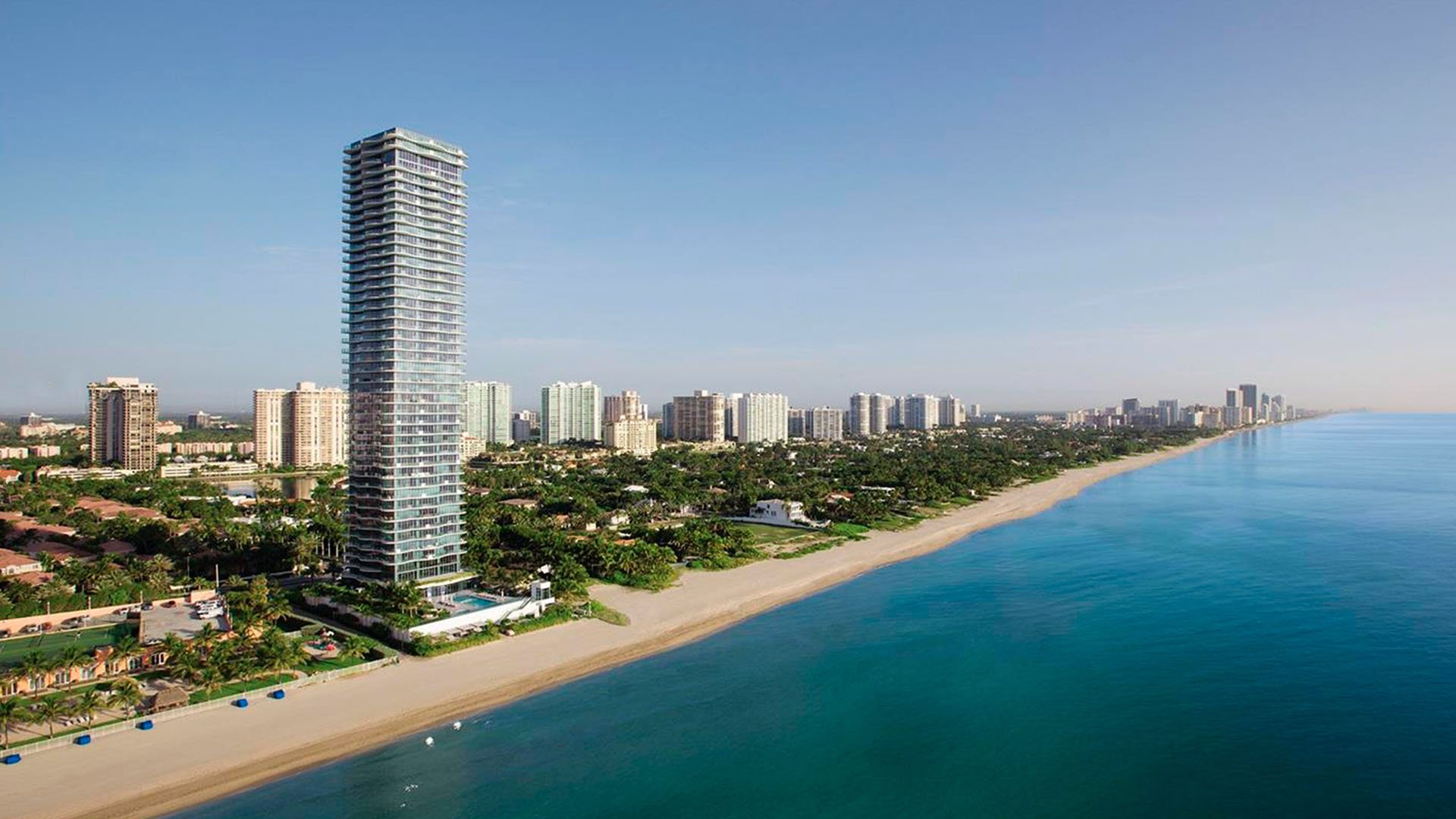
West Palm Beach is most compelling when viewed not as a louder alternative to other South Florida markets, but as a quieter proposition for buyers who know exactly how they want to live. For this audience, the purchase is rarely about spectacle. It is about rhythm, access, privacy, and the understated confidence of a residence that supports a highly specific routine.
Club-centric living sits at the center of that equation. The home is not evaluated only by its finishes, views, or entertaining spaces. It is judged by how naturally it connects to a private social life, whether that means a morning athletic ritual, an unhurried lunch, a dining room where familiar faces matter, or a calendar shaped around people rather than public visibility.
In search shorthand, West Palm Beach may read as an area tag. For the refined buyer, it is better understood as a lifestyle filter. It prompts a more personal question than the market alone can answer: can this address make the day feel calmer, better managed, and more intuitively aligned with the way one already lives?
Quiet luxury depends on restraint. It favors proportions over logos, service over noise, and long-term comfort over immediate drama. In residential terms, that can mean a floor plan that protects private quarters, a lobby sequence that feels composed, a terrace that extends the day without turning the home into a stage, or staff and storage planning that makes ownership feel effortless.
The West Palm Beach conversation is especially relevant for buyers who have little interest in proving anything. They may already own in another market, maintain a family base elsewhere, or be considering a second home that does not need to perform for guests every weekend. Their question is not whether a home is impressive. It is whether the home lowers friction.
That distinction matters. In a club-centered life, time is the true luxury. A residence that creates unnecessary transitions, awkward guest flow, or complicated service logistics can feel less valuable no matter how polished the materials may be. Conversely, a quieter home with excellent privacy, a sensible arrival experience, and an intuitive relationship to daily routines can feel far more rare.
The club-centric buyer is not necessarily chasing a single amenity. More often, the priority is social architecture. They want a residential setting that supports membership life without making that life feel exposed. They value easy departures, discreet returns, private entertaining, and spaces that move between solitude and hosting without constant rearrangement.
This is where the idea of Palm Beach adjacency becomes emotional rather than purely geographic. Buyers are considering not just where they sleep, but how they move through a network of relationships, rituals, and preferred rooms. The ideal home becomes the quiet anchor between the private club, the family table, the wellness routine, and the occasional formal evening.
Golf can be part of the calculus, but it is rarely the whole story. The more sophisticated question is how the residence supports the full day around the game or club schedule. Where does one have coffee before leaving? Is there room to return with ease? Can guests be received without disturbing the household? Does the home feel composed at every hour?
For this buyer, due diligence should begin with lifestyle mapping. Before comparing finishes, map a typical week. Consider morning routines, club commitments, family visits, seasonal guests, pets, staff, privacy preferences, and the frequency of formal entertaining. A home that looks excellent in a showing may not be the right residence if it does not support the actual cadence of ownership.
Arrival is another crucial test. Quiet luxury begins before the front door. The best experience is calm, legible, and discreet, with a sense of separation between public movement and private life. Whether considering a condominium, a townhouse, or a single-family setting, the buyer should assess how it feels to come and go repeatedly, not just how it feels to arrive once.
Security and privacy should be understood in human terms. A gated community may appeal to some buyers because it creates an additional threshold, while others may prefer privacy achieved through design, landscaping, building protocol, or a more understated setting. The correct answer depends on temperament. The wrong answer is any home that forces the owner to live more publicly than desired.
New construction can be attractive when the buyer wants contemporary systems, fresh design language, and a more turnkey ownership experience. Yet the same discipline applies. Newness is not a substitute for fit. The residence still must answer the private questions: how does it live, how does it receive, how does it protect quiet, and how easily does it let the owner participate in club life?
A club-centric home should function like a well-made instrument. It does not need to announce itself loudly. It should respond well to use. The kitchen should work for both quiet mornings and prepared dinners. The primary suite should feel removed from social areas. Guest rooms should be gracious without overtaking the residence. Outdoor space should feel like a private extension, not simply a visual feature.
Storage, service circulation, parking, elevator experience, pet flow, and package handling can seem minor until they become daily irritants. At the upper end of the market, these details are not secondary. They determine whether a home feels serene or merely expensive. The best quiet luxury residences are often remembered less for a single grand gesture than for the absence of friction.
Buyers should also think about seasonality. A residence used intensely during key months must perform differently from one occupied year-round. If friends and family arrive in waves, guest separation matters. If the owner prefers solitude, acoustic privacy and a sense of retreat become central. If the home is part of a broader portfolio, management simplicity may outweigh decorative drama.
The quiet luxury case for West Palm Beach is ultimately a case for alignment. The value is not only in the address, the architecture, or the amenities. It is in the way a residence supports a life already defined by selectivity. Buyers who care about club-centric living are not simply purchasing square footage. They are purchasing continuity between private rooms, social rituals, and personal standards.
That is why the strongest acquisition strategy is personal, not performative. The right home should feel inevitable after careful consideration. It should offer enough polish for formal moments and enough restraint for ordinary ones. It should make entertaining feel natural, privacy feel protected, and membership life feel integrated rather than staged.
For the MILLION reader, the opportunity is to look past louder signals and focus on the deeper question: which residence will preserve time, privacy, and ease? In a market where attention often gathers around visibility, West Palm Beach presents a quieter proposition for those who prefer their luxury measured by how well it disappears into a beautifully managed life.
Is West Palm Beach a quiet luxury market? It can be approached that way when the buyer prioritizes discretion, private routines, and refined daily ease over overt display.
What does club-centric living mean for a home search? It means evaluating a residence by how well it supports club schedules, social rituals, privacy, and effortless arrivals and departures.
Should club access be the first filter? It should be an important lifestyle filter, but the home must also work privately in terms of layout, service, storage, and guest flow.
Is a condominium or single-family home better for this lifestyle? The better choice depends on the owner’s preferred balance of privacy, service, maintenance responsibility, and entertaining style.
Why does arrival experience matter so much? Arrival shapes the daily sense of calm, especially for buyers who value discretion and want movement in and out to feel effortless.
How should buyers think about privacy? Privacy should be assessed through design, access, sightlines, staffing needs, sound, and the owner’s tolerance for visibility.
Does quiet luxury require minimal design? Not necessarily. It requires restraint, quality, and coherence, whether the interiors are warm, traditional, modern, or highly tailored.
Can a second home still feel personal? Yes. The strongest second homes are planned around real routines rather than occasional impressions, making them feel natural from day one.
What is the biggest mistake in a club-oriented purchase? The common mistake is buying for surface appeal before testing how the residence supports an actual week of living.
What is the best way to shortlist comparable options for touring? Start with location fit, delivery status, and daily lifestyle priorities, then compare stacks and elevations to validate views and privacy.
For a tailored shortlist and next-step guidance, connect with MILLION.
If branded residences are on your mind — as a home or as an allocation — we would be glad to share what we are seeing, privately.
Begin a quiet conversation