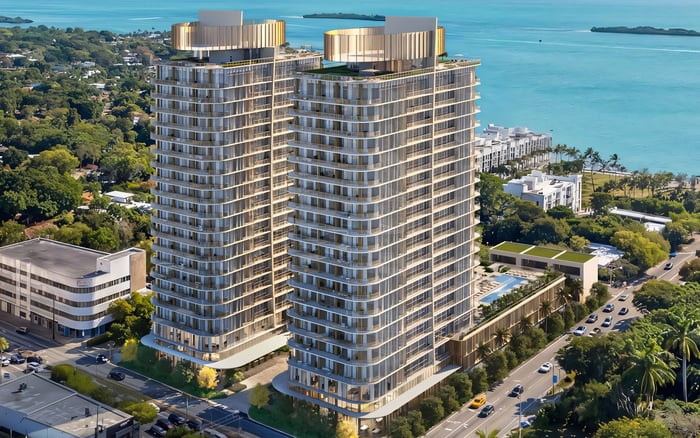
A private-client framework for reviewing condominium turnover in and around Miami Design District, with a focus on engineering, association finances, warranty deadlines, and common-area delivery.
.jpg)
For a private buyer, Miami Design District’s appeal and a condominium’s delivery obligations are separate considerations. The neighborhood is not a single condominium development, and neighborhood credentials do not establish an individual building’s construction quality, warranty coverage, or association finances.
Plans for neighborhood improvements are not confirmation of completed construction. Buyers should distinguish future district development from the common areas and services promised in their own purchase documents.
When considering Kempinski Residences Miami Design District, begin with the question that applies to any condominium: which legal entity owes which obligation? District-level ownership is no substitute for identifying the condominium developer, association, contractors, and warrantors. This briefing provides a framework for project-specific diligence, not a finding of defects or unfinished amenities at any linked residence.
Developer turnover concerns the transition of association control and the supporting records needed to manage the property. For a buyer, the essential question is whether the association has the documents it needs to understand what it owns, maintain it, and address unresolved obligations.
Request plans and specifications, permits, and certificates of occupancy as part of the turnover review. Also request association financial records, insurance information, contracts, and contractor, subcontractor, supplier, and manufacturer warranties that remain effective at turnover. Florida condominium counsel should confirm the required documents for the specific property.
Ask counsel and the association’s advisers to organize these materials into a usable record; a folder count is not evidence of completeness. A practical index should identify each document, its date, the component or obligation it addresses, and any outstanding request. Confirm the actual turnover date and applicable requirements for the specific condominium rather than borrowing a timeline from another development.
A turnover engineering report should do more than catalogue visible imperfections. Review its treatment of component condition, required maintenance, useful life, and replacement costs. These distinctions matter: a building can appear polished while still requiring substantial technical review and maintenance planning.
Ask how the report addresses roofs, structural elements, fire protection, plumbing, electrical systems, waterproofing, exterior painting, windows, and exterior doors. Also review its treatment of elevators, heating and cooling systems, pools and associated equipment, drainage, irrigation, and seawalls where applicable.
Ask the reviewing professional to distinguish conditions requiring investigation from routine maintenance and longer-term replacement planning. Request a clear account of areas not inspected, supporting documentation needed, and recommended follow-up. These are diligence questions, not assumptions that a particular building has deficiencies.
For a buyer comparing a Design District address with Villa Miami in Edgewater, the consistent basis for comparison is the quality and scope of project-specific documentation-not appearance or branding. Turnover inspections, reserve studies, and other statutory building inspections are not interchangeable. Florida condominium counsel should confirm applicable requirements and professional qualifications.
Review the engineering report and association financial audit together. One addresses physical conditions and future needs; the other helps frame the association’s financial position. Neither should be reduced to a reassuring cover page.
Ask advisers to reconcile identified maintenance and replacement needs with the financial records, insurance information, and contracts delivered at turnover. Where work remains under discussion, request its estimated cost, who is expected to pay, and the documentation supporting that position. An expectation that a developer will address an item is not the same as a documented obligation or completed repair.
Engineering findings and financial records can also support an association’s construction-defect or financial claims. An orderly record therefore serves both management and potential legal review. It does not, by itself, establish liability or guarantee recovery.
Do not assume turnover starts every warranty clock. Construction-warranty deadlines may begin at substantial completion or sale, making turnover an important opportunity to identify and document concerns before coverage expires.
A useful warranty schedule records the covered component, responsible party, coverage dates, notice requirements, and maintenance obligations. Ask counsel to distinguish the available protections and confirm how notice must be delivered. Ask technical advisers whether maintenance records support compliance with the relevant terms.
The same discipline applies when evaluating 2200 Brickell or another Brickell residence. A project name cannot establish the warranty position of a particular system. Obtain the actual documents and track dates individually rather than relying on a general assurance that the building is under warranty.
A beautifully presented lobby is no substitute for checking the contractual scope of common-area delivery. Nor should an area awaiting finishing work automatically be characterized as a construction defect. First, establish what was required and compare it with the actual condition.
Request a documented walk-through against approved plans, declarations, contractual specifications, and permit records. For each discrepancy, record the location, relevant requirement, observed condition, proposed resolution, responsible party, and target date. Supporting photographs can make subsequent discussions more precise.
Keep incomplete work, disputed specifications, maintenance issues, and suspected defects in separate categories. Ask advisers to establish whether an apparent shortfall concerns the condominium’s property or a separate neighborhood improvement. This distinction is particularly important where district development continues beyond an individual residential project’s boundaries.
Before committing, request a concise memorandum from the buyer’s legal and technical team. It should identify the turnover status, documents reviewed, open engineering questions, warranty deadlines, and any common-area matters requiring resolution. Each unresolved item should have an owner and a next step.
For a pre-turnover purchase, focus on contractual delivery commitments and how future records and obligations will be reviewed. For a post-turnover purchase, focus on the association’s actual records, outstanding recommendations, and documented responses. Neither position should be judged solely by how finished the residence feels during a viewing.
The objective is not a promise of a problem-free building. It is a purchase decision grounded in defined obligations, informed maintenance planning, and a clear understanding of what remains unresolved. Neighborhood prestige can guide a shortlist; the building’s own documentation should guide the final judgment.
For a discreet conversation about your South Florida residential shortlist, connect with MILLION.
If branded residences are on your mind — as a home or as an allocation — we would be glad to share what we are seeing, privately.
Begin a quiet conversationNo. Each condominium requires its own review of legal entities, delivery obligations, and association records.
No. Planned neighborhood expansion does not confirm completed construction or satisfaction of an individual condominium’s common-area obligations.
Request plans, specifications, permits, certificates of occupancy, financial records, insurance information, contracts, and warranties still effective at turnover. Counsel should confirm the required package for the specific condominium.
Review its treatment of building-component condition, required maintenance, useful life, and replacement costs, rather than merely looking for visible defects.
Ask how the report addresses structural elements, roofs, waterproofing, fire protection, plumbing, electrical systems, windows, doors, elevators, and heating and cooling systems. Also check its treatment of pools, drainage, irrigation, and seawalls where applicable.
These reviews should not be treated as interchangeable. Florida condominium counsel should confirm the applicable requirements and professional qualifications.
No. Construction-warranty deadlines may begin at substantial completion or sale, so coverage dates and notice requirements should be checked component by component.
Together, they help advisers evaluate physical needs and the association’s financial position. They can also provide evidence relevant to potential construction-defect or financial claims.
Compare actual conditions with approved plans, declarations, contractual specifications, and permit records. Document discrepancies and ask advisers to distinguish incomplete work from maintenance issues or suspected defects.
No. The linked residences illustrate buyer comparison contexts, not findings about their turnover status, warranty coverage, construction quality, or amenity completion.