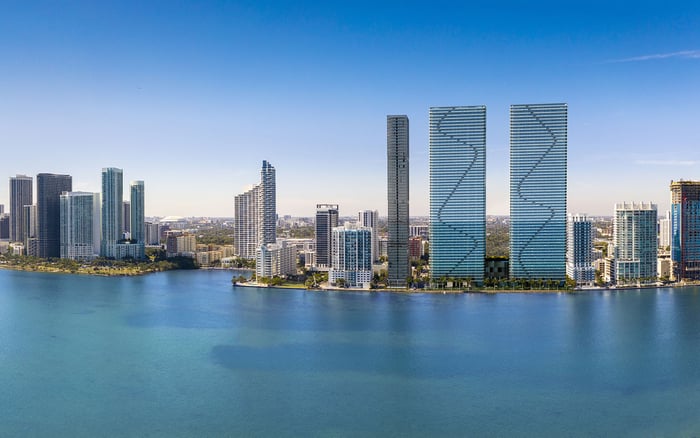
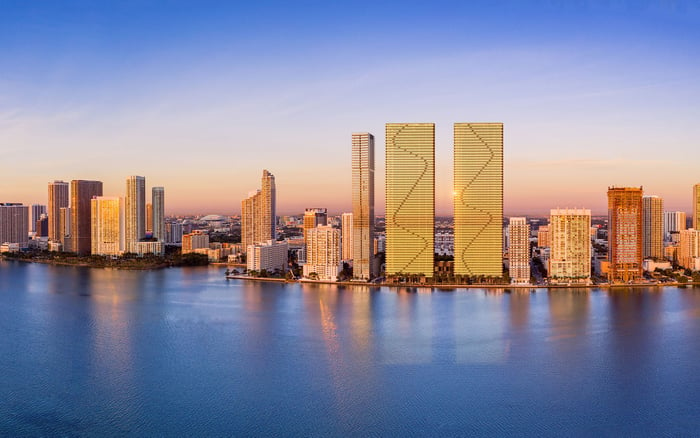
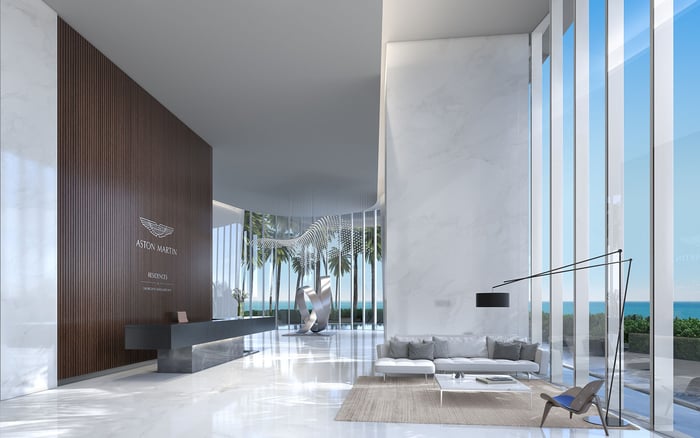
For an absent owner at Aria Reserve Miami, the essential questions concern inspection scope, authorized access, pest-control coverage, and documented follow-through. A private-client framework separates confirmed facts from commitments that require written confirmation.

For an intermittently used residence, reassurance begins with knowing what happens while the owner is away. At Aria Reserve Miami, a condominium development in Edgewater, that confidence should rest on written arrangements for inspections, vendor access, and service documentation-not assumptions about what condominium ownership includes.
An Aria Reserve-specific vacant-unit inspection program, interior pest-treatment schedule, and detailed procedure for authorizing entry during an owner's absence are not verified here. This does not mean those services are unavailable or excluded from association charges. Their availability, scope, and cost require written confirmation before an owner relies on them.
For a private client, the objective is straightforward: identify who observes the residence, who may enter, who may approve work, and who confirms completion. These are separate responsibilities, even when one contact coordinates them.
Begin with the precise property identity. Confirm the exact tower, unit designation, and address against transaction and title documents before preparing vendor instructions or owner authorizations. Do not assume a general project address identifies the residence for service purposes.
Likewise, do not assume a sales contact is an association-management or emergency-response contact. Obtain the appropriate operational contacts directly, including a contact for urgent issues outside ordinary service hours.
Request the recorded declaration or CC&Rs, relevant title documents, and unit designation. Ask which current rules govern routine access, emergency access, and outside vendors. The building name alone cannot substitute for documents establishing the residence's ownership rights and applicable obligations.
An inspection arrangement should define a service, not merely promise that someone will check the apartment. Ask whether an association-provided inspection exists, whether enrollment is required, and whether it includes the residence's interior. If considering a private provider, confirm that the arrangement is permitted and compatible with building access rules.
Then request a written scope. Potential items to discuss include visible signs of leaks, observable conditions around windows and doors, and owner-requested observations of interior equipment. These are suggested questions, not verified Aria Reserve inspection duties. Clarify what the visitor will not inspect, test, move, or repair.
Visit frequency also requires an explicit answer. Ask how visits are scheduled, what happens after a missed appointment, and whether exceptional circumstances trigger additional visits. No particular inspection interval is established here as a building requirement or recommendation.
For a buyer also evaluating EDITION Edgewater, the useful comparison is the specificity of each property's written service commitments-not an assumption that similar ownership expectations produce identical coverage.
Pest-control coverage and permission to enter are separate questions. Whether Aria Reserve service covers common areas, preventive treatments, or individual residence interiors is not verified here. Obtain a clear answer for each category rather than accepting a general assurance that pest control is handled.
For interior work, ask whether service is scheduled or request-based, whether an owner must enroll, and whether individual treatments carry additional charges. Clarify preparation requirements, return-to-residence instructions, and arrangements for follow-up visits. None should be treated as an established building procedure without confirmation.
Next, address authorization. Who may request treatment, approve the vendor, and permit entry while the owner is away? Ask what notice is required, whether an owner representative may attend, and how cancellation or refusal of access is recorded. Do not assume that key custody grants authority to order treatment or admit a contractor.
Confirm vendor credentials, insurance documentation, and any building-specific approval requirements before scheduling. The aim is defined permission for a defined task, not open-ended access to a private home.
An entry record documents access; a treatment record documents work. Ask whether both are available and who retains them. A proposed entry record could identify the residence, visitor, purpose, authorizing party, and arrival and departure times. These are requested documentation elements, not a verified Aria Reserve reporting standard.
For an inspection, request a dated record of observations, areas not accessed, exceptions, and recommended next steps. For pest treatment, ask for the provider's service details, locations treated, relevant instructions, and recommended follow-up. Establish whether photographs are appropriate, who may receive them, and how sensitive interior information will be handled.
Above all, distinguish a recommendation from permission to act. An observation should lead to a clearly assigned next step: owner approval, a vendor estimate, further assessment, or another agreed response. Ask how urgent findings are escalated if the primary contact cannot be reached and how the eventual outcome is documented.
Do not infer vacant-unit inspection or pest-control coverage from an association-fee figure alone. For the residence under consideration, request current unit-specific charges and written clarification of included services, optional programs, private-provider costs, and any access-related fees. Keep recurring visits, individual treatments, and repairs distinct when discussing the owner's budget.
If anyone will coordinate repairs, ask how spending authority is documented and limited. Address routine approval and urgent-response authority separately, subject to applicable governing documents and legal requirements. Do not substitute a privately proposed spending limit for the association's actual obligations or powers.
Before departure, aim to assemble one coherent file containing the confirmed property identity, operational contacts, applicable access instructions, agreed inspection scope, pest-control arrangements, approval limits, and documentation expectations. Ask the relevant parties to confirm their responsibilities rather than relying on a chain of informal introductions.
A client considering Villa Miami alongside Aria Reserve can apply the same questions without assuming either property offers equivalent services. The comparison should remain specific to each residence and its confirmed commitments.
The desired outcome is not more paperwork for its own sake. It is an arrangement in which permission, attendance, findings, and follow-through are clear without the owner being physically present.
For a discreet conversation about your South Florida residence search, connect with MILLION.
If branded residences are on your mind — as a home or as an allocation — we would be glad to share what we are seeing, privately.
Begin a quiet conversationAria Reserve Miami is a condominium development in Miami's Edgewater neighborhood. Confirm the exact tower and unit address in the transaction documents.
Use the address and unit designation confirmed in the residence's transaction and title documents. Do not assume a general project address is sufficient for vendor instructions.
Their inclusion is not verified here. Obtain written confirmation of availability, scope, frequency, and cost.
Interior coverage is not verified here. Ask separately about common-area service, preventive treatment, and treatment inside the residence.
An Aria Reserve-specific authorization protocol is not established here. Confirm the applicable rules and the authority of any owner representative before arranging entry.
Do not assume a sales contact handles building emergencies. Obtain the appropriate association-management and urgent-response contacts directly.
A fee figure alone does not establish service coverage. Request current unit-specific charges and written clarification of included and optional services.
Request a dated record of observations, inaccessible areas, exceptions, and proposed next steps. These are suggested documentation elements, not verified building requirements.
Request the recorded declaration or CC&Rs, relevant title documents, unit designation, and current access rules. Confirm service scope and authorization arrangements separately in writing.
No. An unverified service should not be assumed unavailable or excluded from association charges; obtain written confirmation before relying on it.