A primary-residence assessment of Waldorf Astoria Residences Pompano Beach, distinguishing advertised services from the written access, valet, and guest protocols buyers should request before committing.

For a primary-residence buyer, luxury is tested on an ordinary departure and a busy return. A beautifully composed entrance matters, but so does knowing whether a visiting parent can arrive without repeated calls or whether retrieving a car requires planning around a queue. At Waldorf Astoria Residences Pompano Beach, those practical questions deserve the same attention as the residence itself.
The development is marketed as a standalone collection of 92 private residences with no on-site hotel component. That distinction matters to a buyer seeking a residential setting, but it does not establish traffic volumes, visitor permissions, or uninterrupted access during nearby events. A sound review separates advertised services from the operating commitments that will govern daily life.
Advertised services include 24/7 concierge, along with planned 24-hour security, reception, and valet parking. Together, these describe a service offering, not a complete access protocol.
A concierge presence does not, by itself, establish who verifies identification, how a resident authorizes a visitor, or what happens when authorization cannot be confirmed. Likewise, security coverage does not establish floor-level permissions or a resident-priority vehicle queue.
For a buyer comparing The Ritz-Carlton Residences® Pompano Beach, the useful comparison is documentary: ask each property the same questions and distinguish written commitments from general service descriptions. Brand recognition should begin the conversation, not conclude it.
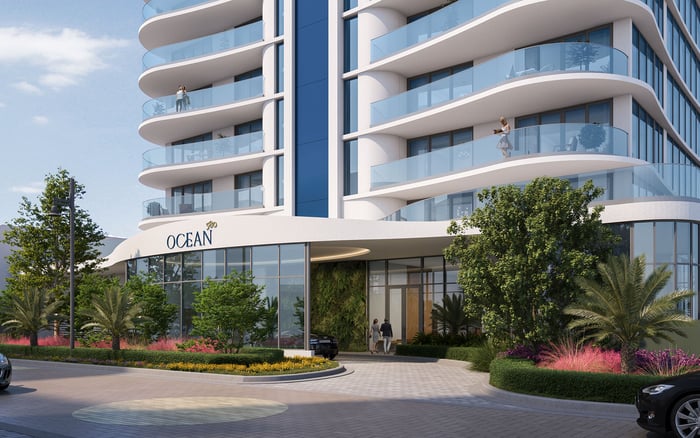
A private garage and private residential entrance are advertised. Neither establishes separate resident and visitor vehicle queues. Valet-lane counts, vehicle-staging capacity, and dispatch technology remain unspecified, as do any guaranteed maximum wait or measured peak-period retrieval times.
These are unresolved diligence points, not evidence of poor performance. Ask for a circulation plan and a written explanation of how arrivals, departures, and waiting vehicles would be handled when demand overlaps. A useful answer should address:
Whether valet is mandatory or optional, and whether residents may self-park.
Whether spaces are assigned and how additional household vehicles are accommodated.
Staffing arrangements, staging capacity, and any resident-priority policy.
Peak retrieval targets and whether they are commitments or internal goals.
Test the explanation against a household scenario: two residents leaving separately while guests arrive and a delivery requires attention. The point is not to predict congestion, but to understand the proposed response before everyday convenience depends on it.
Valet is advertised as included, but buyers should verify applicable charges and assessment treatment in the purchase documents. For a household budget, “included” is not precise enough without a defined scope.
Ask whether the arrangement distinguishes resident vehicles from guest vehicles, and whether vehicle limits, overnight stays, or special requests carry separate charges. These are questions to resolve, not disclosed project policies. Request the relevant fee schedule and an explanation of how valet expenses are allocated.
The same discipline applies to a review of Armani Casa Residences Pompano Beach. Comparing the written parking obligations of shortlisted residences is more useful than treating similarly named amenities as equivalent services.
A complete guest-preclearance process covering advance resident authorization, identification checks, and credential issuance remains undisclosed. Different permissions for overnight guests, recurring visitors, caregivers, household staff, or vendors are also unestablished.
For a primary residence, the objective is controlled convenience, not simply more screening. Request a walkthrough of how a visitor is registered, what identification is required, who grants entry, and when permission expires. Clarify whether credentials can be limited to particular floors or amenities, and who can revoke them.
Recurring access warrants separate attention. A caregiver's schedule differs from a dinner guest's arrival; a household employee's permissions need not mirror an overnight visitor's. Ask how those distinctions would be administered and how changes would be communicated to reception. Do not assume that a concierge offering includes a particular digital platform, credential system, or authorization workflow.
For a Broward primary-home search, keep municipal event logistics and building operations separate. Verify relevant event dates, approved closures, police details, and resident access routes rather than assuming that a nearby event will affect the property. Then ask management how any confirmed restrictions would be communicated and whether an alternate entrance would be available.
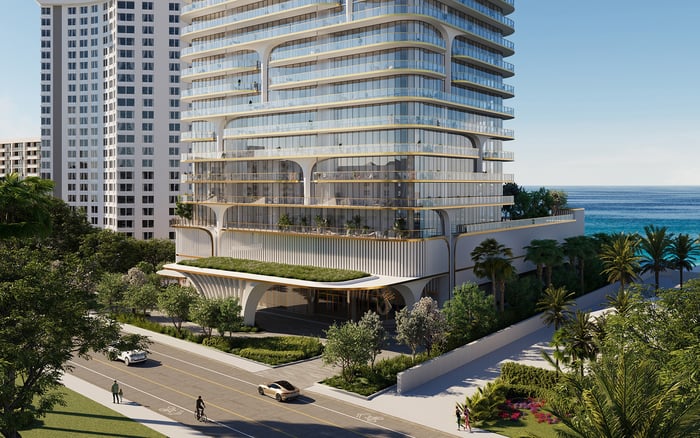
Inside the property, request a plan identifying the lobby, garage, valet queues, pedestrian entrances, service routes, elevators, beach access, and any private-event spaces. The purpose is to understand circulation and possible intersections, not to assume that every route is separate. Event-week valet procedures, resident priority, and separate guest queues remain unestablished.
Before treating service language as binding, obtain the condominium declaration, rules, management agreement, and available security and operating procedures. Have counsel identify which obligations are enforceable, which details remain subject to change, and who has authority to revise them.
Where procedures are still being developed, request written clarification of what is proposed, what is committed, and when further details will be available. An unanswered question is not an operational failure, but it should remain visible in the purchase decision. Distinguish an explanation offered during a presentation from a commitment reflected in the governing documents.
The central conclusion is measured: advertised services support a discussion of residential convenience, but they do not demonstrate event-week performance. The absence of an on-site hotel component is a meaningful feature of the marketed concept, not a substitute for documented arrival and visitor procedures.
A buyer should be able to trace three everyday journeys: leaving home by car, welcoming an expected guest, and returning during a confirmed nearby event. Written answers that make those journeys clear are more valuable than broad assurances. For a primary residence, confidence comes from understanding how the service will work when it matters.
For a discreet review of your South Florida primary-residence shortlist, connect with MILLION.
If branded residences are on your mind — as a home or as an allocation — we would be glad to share what we are seeing, privately.
Begin a quiet conversationThe development is marketed as a standalone collection of 92 private residences with no on-site hotel component.
No. The advertised 24/7 concierge service does not establish a complete visitor-screening or guest-preclearance process.
Yes. Valet parking is listed among the project's amenities, and marketing describes it as included; buyers should verify charges and assessment treatment in the purchase documents.
The reviewed amenities information does not establish separate queues or resident vehicle priority. A private garage and residential entrance do not confirm either arrangement.
The reviewed amenities information provides no guaranteed maximum wait or measured peak-period retrieval times. Buyers should request written clarification of any retrieval targets.
Self-parking availability is not established by the provided information. Buyers should ask whether valet is mandatory and whether spaces are assigned.
The reviewed project information does not disclose a complete process covering advance authorization, identification checks, and credential issuance. Request a written walkthrough before relying on a particular arrangement.
Different permissions for caregivers, household staff, recurring visitors, overnight guests, and vendors are not established in the reviewed information. Buyers should request category-specific access rules.
Verify relevant event dates, confirmed closures, and resident access routes separately from building procedures. Ask management how restrictions would be communicated and whether an alternate entrance would be available.
Request the condominium declaration, rules, management agreement, and available security and operating procedures. Review written parking obligations and service commitments with counsel.