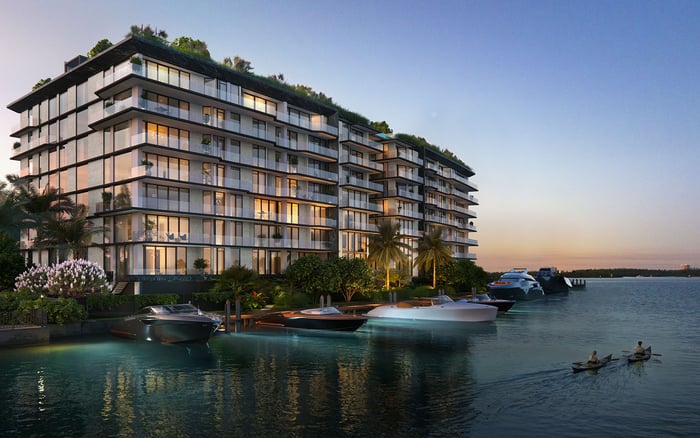
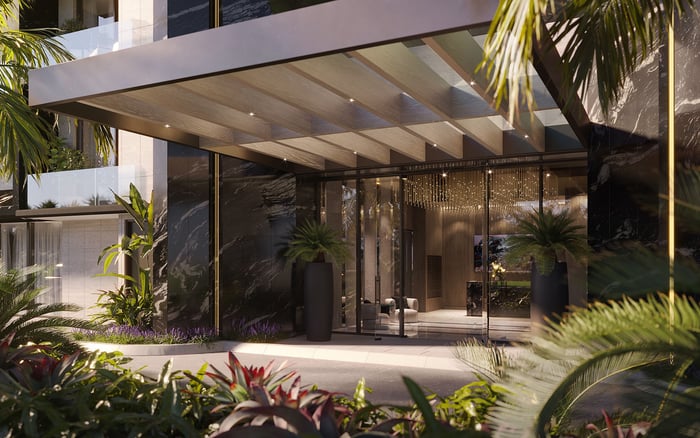
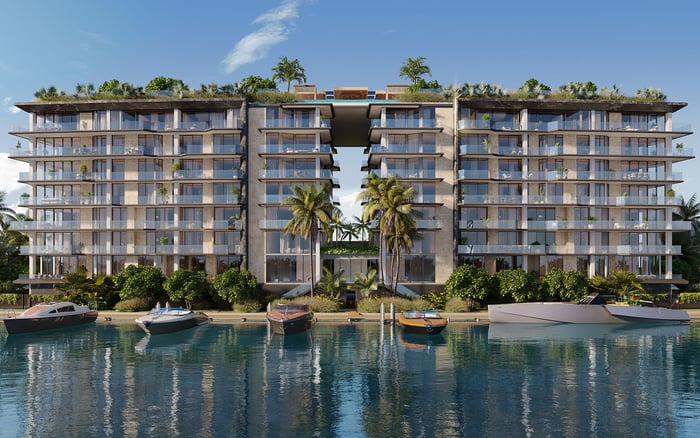
For Toronto buyers establishing a Bay Harbor Islands residence, a resilient home office begins with property-level diligence: flood exposure, genuinely independent connectivity, confidential acoustics, and household circulation that protects the working day.
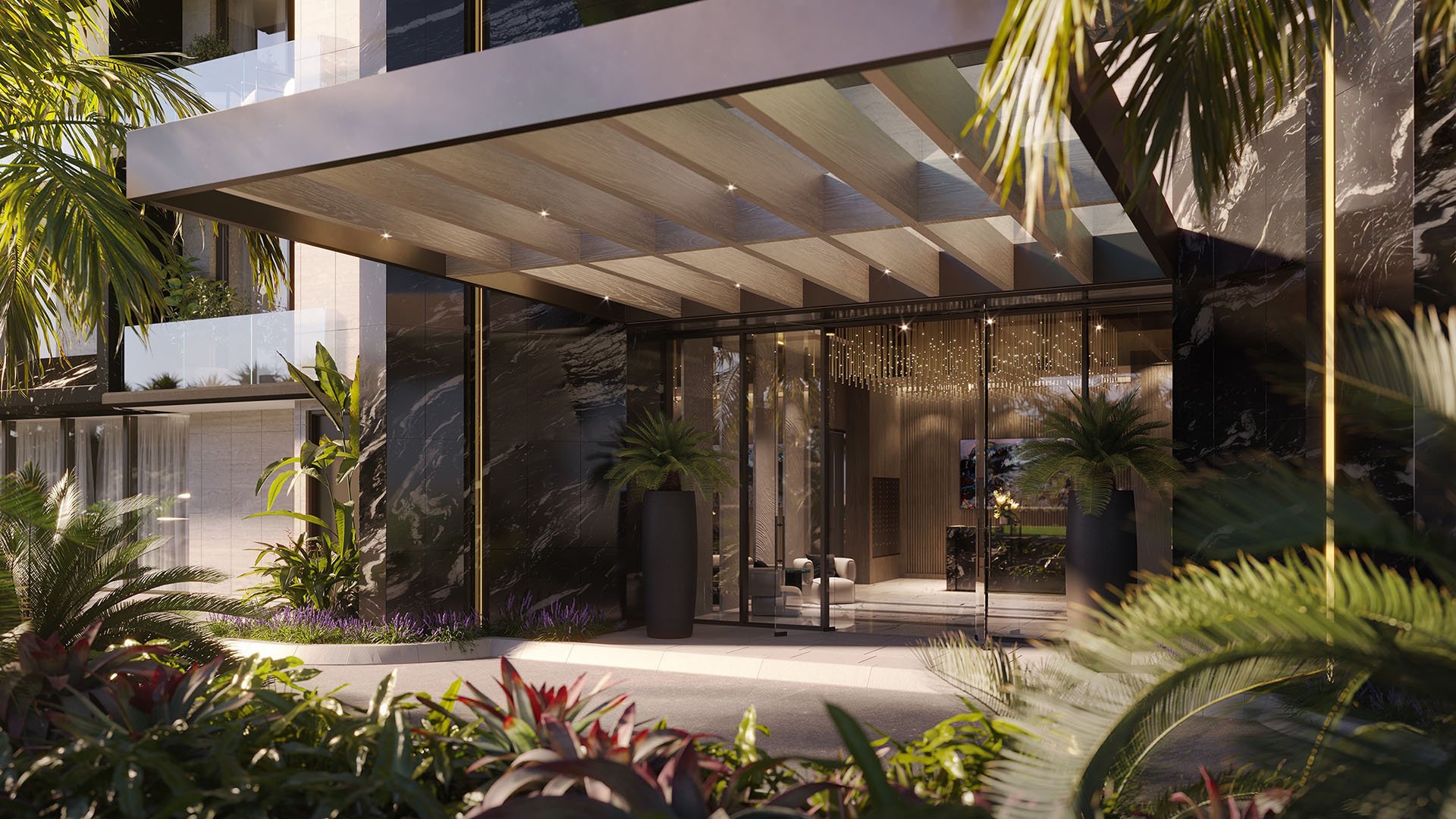
For a Toronto buyer establishing a residence in Bay Harbor Islands, the most consequential luxury may be continuity: a confidential call that stays private, a connection that survives an interruption, and a household that functions without crossing the camera. Evaluate the home office as an operating environment, not simply a spare bedroom with an attractive outlook.
Begin by defining the day the residence must support. Consider simultaneous calls, confidential documents, visiting colleagues, housekeeping, and deliveries. Then identify what must remain available during a power or connectivity interruption. That brief should guide the purchase before finishes or furniture do.
Whether the search stays in Bay Harbor Islands or extends to Bal Harbour, distinguish documented building capabilities from proposed improvements. Dual internet paths, battery backup, acoustic vestibules, and separate service routes are design recommendations to investigate, not features to assume from a luxury address.
Include a property-specific flood review in the purchase process rather than using waterfront status alone to decide whether further diligence is needed. Ask qualified advisers to confirm the property's flood designation, available documentation, and any implications for the proposed office improvements.
For the office, consider placing critical technology and irreplaceable records above areas identified as flood-vulnerable. This is a design recommendation, not an equipment-placement requirement. Ask the design team to examine the full chain: the workstation, network equipment, electrical supply, and any shared infrastructure on which the residence depends.
When considering Bay Harbor Towers, request documentation specific to the residence and its supporting systems. Apply the same discipline to every candidate: an elevated desk does not, by itself, establish that the equipment serving it is protected. Clarify what is private, what is shared, and what remains outside the owner's control.
Treat telecom resilience as a verification exercise. Ask prospective providers and the building team to explain how each proposed connection reaches the residence. Two subscriptions are not proof of independent physical routes, separate equipment, or different upstream dependencies.
A useful purchasing brief calls for a primary connection, a genuinely independent fallback where available, and a demonstrated switching procedure. Ask whether a wireless alternative can support the actual workload from the intended office. Reception elsewhere in the residence does not answer that question.
For a residence under consideration at Alana Bay Harbor Islands, make provider access, installation permissions, and equipment locations explicit diligence questions. Do not infer connectivity performance from the project name.
Power deserves equal attention. Have a qualified specialist define the essential equipment load, proposed uninterruptible power supply (UPS) runtime, and any permitted generator integration. Confirm which circuits and systems are supported. Test the backup arrangement against the work it is intended to preserve, including a live call and access to essential files.
Assess perceived quiet and confidential speech separately. Neighborhood noise, comfortable room acoustics, and speech privacy call for different checks. A room can feel tranquil while allowing a confidential conversation to be understood outside its door.
Assess the intended office with doors closed and household activity underway. Ask an acoustic specialist to evaluate speech transmission through walls, doors, glazing, and other possible paths. Explore door seals, appropriate partitions, and a sound-lock vestibule where the plan and approvals allow. These are potential interventions, not verified features of any residence discussed here.
At La Maré Bay Harbor Islands, establish the performance of the specific space rather than infer it from materials or presentation. Request available acoustic documentation and consider testing before committing to alterations.
An office can be acoustically considered yet operationally exposed. Trace the routes used by housekeeping, maintenance personnel, deliveries, and household members. Identify where they intersect the office entrance, confidential storage, or the background of a video call.
The objective is not necessarily a dedicated service entrance. It is a workable arrangement that lets everyday tasks proceed without repeated interruptions or unintended access to business materials. A separate route, a closable transition space, or carefully scheduled service may each be worth evaluating, depending on the residence.
When reviewing Onda Bay Harbor, use the actual plan to rehearse a working morning: groceries arrive, housekeeping begins, and a confidential meeting is already underway. Ask where each person waits, moves, and stores equipment. Confirm any proposed service separation for that residence; do not presume it is a building amenity.
Before budgeting an office conversion, ask the relevant permitting authority and building management which approvals the proposed work would need. Review the actual scope, including electrical work, partitions, equipment installation, and any changes affecting shared systems. Do not treat a modest budget as proof that approvals are unnecessary.
Ask qualified advisers whether the proposed work raises flood-related compliance questions and how any applicable improvement thresholds or valuation rules would be assessed. Do not substitute a condominium's asking price for a valuation required by the relevant authority.
Clarify permitting, building approvals, and feasibility before treating an office redesign as a straightforward fit-out. Separate confirmed permissions from items that remain subject to review.
The final brief should produce more than a beautiful room. Request an equipment schedule, a documented fallback procedure, an acoustic assessment suited to the privacy requirement, and a household circulation plan. Consider duplicated essential office equipment where justified, while protecting access to business information.
Rehearse the arrangement before relying on it: interrupt the primary connection, test the agreed backup-power scope with qualified supervision, and run household service during a mock meeting. Base the purchase decision on documented capabilities and achievable improvements, with unresolved dependencies made explicit.
For a discreet residence search shaped around the way you live and work, connect with MILLION.
If branded residences are on your mind — as a home or as an allocation — we would be glad to share what we are seeing, privately.
Begin a quiet conversationInclude a property-specific flood review rather than relying on waterfront status alone. Ask qualified advisers to confirm the property's designation and implications for planned improvements.
Consider locating critical technology and irreplaceable records above areas identified as flood-vulnerable. Review the supporting network and electrical infrastructure as well as the workstation.
No. Ask providers and the building team to verify physical routes, equipment, and shared dependencies before treating the connections as independent.
Have a qualified specialist assess essential equipment loads, proposed UPS runtime, supported circuits, and any permitted generator integration. Test the arrangement against the intended office workload.
No. Speech privacy requires a separate assessment of how sound travels through doors, walls, glazing, and other possible paths.
Request available acoustic documentation and consider specialist testing of the intended office. Treat seals, partitions, and vestibules as potential interventions subject to feasibility and approvals.
Trace housekeeping, maintenance, delivery, and household routes on the actual floor plan. Check whether daily activity crosses the office entrance, confidential storage, or video-call background.
No. Ask the relevant permitting authority and building management to review the proposed scope before budgeting or starting work.
Ask qualified advisers and the relevant authority which requirements, thresholds, and valuation methods apply to the proposed work. Do not assume the condominium's asking price is the applicable valuation.
No such features are established here. Connectivity, acoustic performance, backup power, and service circulation require residence-specific verification.