A collection-led approach to buying on Fisher Island, with museum-derived lighting guidance and a disciplined review of daylight, structural attachments, and insurance before installation.
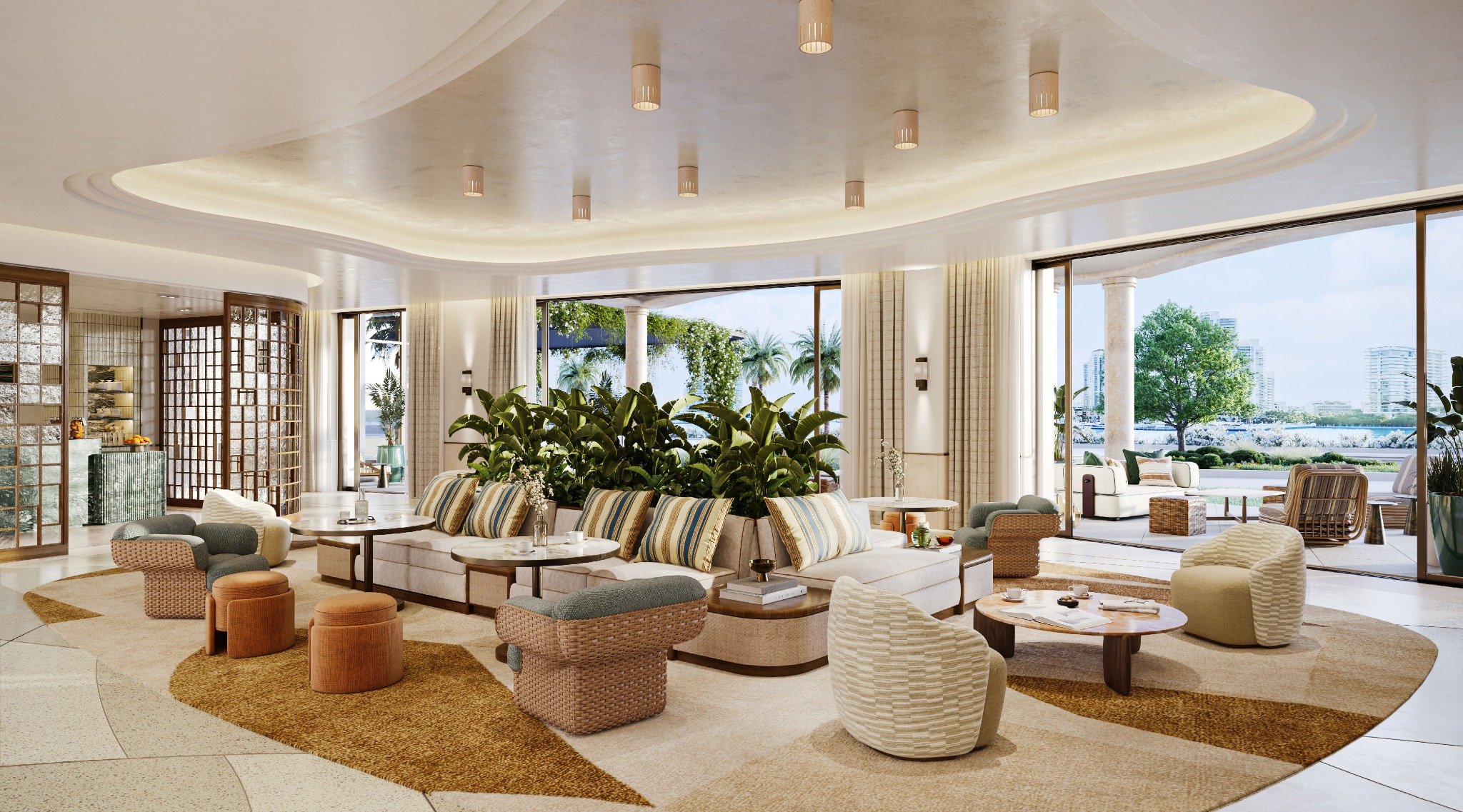
For a family office considering Fisher Island, a residence should be evaluated as both a private home and a setting for irreplaceable objects. A compelling wall is not yet an approved display location. Its suitability depends on the collection’s sensitivity, measured light conditions, proposed attachments, and a separate insurance review.
The purchase plan should begin with an object-by-object brief, not a lighting showroom visit. Ask the conservator to identify sensitive materials and condition concerns; ask the design team to map proposed placements; and assign structural and insurance questions to the appropriate advisers. Museum-grade should describe a disciplined approach, not a promise of damage-free display.
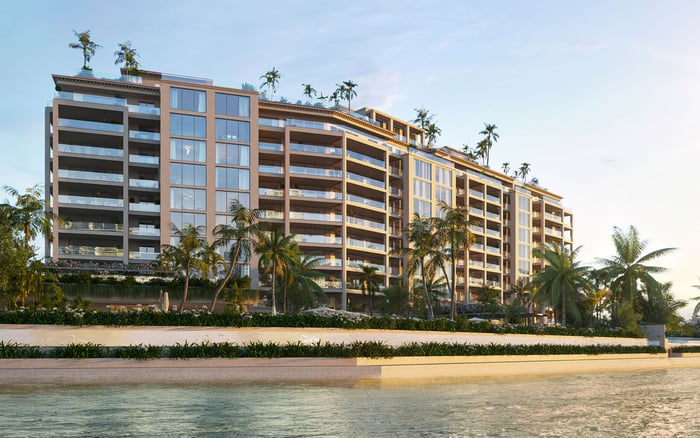
For a buyer evaluating Palazzo del Sol Fisher Island, this means bringing the collection brief into the residence review before committing to a decorative scheme. No particular wall capacity, lighting installation, or policy protection should be assumed from the address alone.
When objects share a display area, use the most light-sensitive piece to establish the lighting level. An oil painting and a watercolor may be visually compatible, but their conservation needs should not be averaged into a single compromise.
About 50 lux is a common display limit for highly sensitive materials, including watercolors, textiles, and tapestries. A traditional guideline for oil and acrylic paintings, polychrome surfaces, panels, and furniture is 150 lux. Even for light-insensitive objects, museum lighting rarely needs to exceed 300 lux. These are planning references, not universal permissions.
Planning thresholds differ: 200 lux may be allowed for a category described as sensitive. The family office should ask its conservator to identify the standard being applied and explain its suitability for each work. An object in poor condition may need lower illumination or shorter display periods than its broad material category suggests.
For a residence under consideration at Palazzo della Luna Fisher Island, request a proposed display map with object-specific targets. The useful deliverable is not simply a fixture schedule, but a record connecting each placement to its conservation brief.
Light damage is cumulative and irreversible. There is no completely safe threshold below which damage cannot occur, including the commonly recommended 50-lux level. A restrained lighting scene left on continuously is not a complete preservation strategy.
Ask the lighting designer to distinguish between viewing and unoccupied settings. Dimmers, viewer-activated switches, and motion sensors can help reduce exposure; turning display lighting off when the room is not in use avoids unnecessary illumination. The operating plan deserves the same attention as the opening-night presentation.
For sensitive works, have the conservator recommend display periods and any rotation approach. Make those instructions accessible to household staff rather than leaving them in a design presentation. The objective is a home that reveals the collection beautifully when it is being enjoyed, without illuminating it by default throughout the day.
A bright interior and a responsible collection plan can coexist, but daylight needs deliberate control. Well-fitted blinds should be part of the discussion; window filtration is not the entire solution. Ask the team to evaluate proposed art locations with the intended window coverings in use.
Lux measures illumination; relative UV content is commonly expressed in µW/lumen. They are different measurements, and a low reading in one does not establish a low reading in the other. Multiplying lux by µW/lumen gives UV irradiance in µW/m², clarifying why both measurements matter.
Aim for UV readings as close to zero as practicable. Intervention thresholds include readings above 75 µW/lumen, with a more conservative threshold of 30 µW/lumen for highly sensitive objects. Neither figure should be presented as a Fisher Island building requirement or a guarantee of safety.
UV filtration alone is insufficient: visible light also causes deterioration, and infrared radiation can heat collection materials. When reviewing The Residences at Six Fisher Island, ask for a residence-specific assessment rather than inferring collection suitability from glazing or architectural presentation.
A purchase plan should separate visual placement from structural approval. For every substantial wall-mounted work or sculptural installation, ask a qualified professional to assess the proposed location, attachment method, and supporting construction before authorizing installation.
Request a written review tied to the actual object and installation design. Ask what information is needed about dimensions, weight, mounting points, and any proposed alterations. Where building review may be relevant, have the appropriate adviser establish which permissions or documentation must be obtained. Do not substitute a generic load allowance for a residence-specific assessment.
The same discipline belongs in an evaluation of The Links Estates at Fisher Island. The question is not whether a room appears capable of receiving a major work, but whether the proposed installation has been professionally reviewed. Keep unresolved items visible in the purchase decision rather than passing them silently to the installer.
The residence purchase and the collection insurance review should proceed in parallel, not as interchangeable approvals. Ask a specialist insurance adviser to assess the intended collection, locations, movement, and installation arrangements against the proposed policy wording.
Frame the discussion as questions requiring written answers: What property is included? What valuations and records should be supplied? How would transit, temporary storage, installation, or a future change of display location be addressed? Which conditions, exclusions, limits, or deductibles need the family office’s attention? These are review prompts, not statements that any particular protection exists.
Before arranging delivery, seek written confirmation from the adviser of the intended coverage and any unresolved conditions. Neither architectural quality nor a completed lighting plan establishes an insurance outcome.
Before finalizing the purchase decision, assemble a single decision file: the collection placement plan, conservation targets, daylight and UV controls, structural review status, and insurance questions with their written resolutions. Identify which items remain proposals and which have received professional approval.
After installation, ask the relevant specialists to check actual conditions against the brief. Record lighting settings, display schedules, and instructions for unoccupied rooms. Revisit the plan when works move or the collection changes. The discreet luxury is not simply having space for art, but knowing how that space is intended to care for it.
Explore Fisher Island residences with MILLION and bring a collection-led brief to your next purchase conversation.
If branded residences are on your mind — as a home or as an allocation — we would be glad to share what we are seeing, privately.
Begin a quiet conversationBegin with an object-by-object collection brief covering material sensitivity, condition, and intended placement. Use it to guide separate conservation, lighting, structural, and insurance reviews.
About 50 lux is a common display limit for highly sensitive materials such as watercolors, textiles, and tapestries. It is not a damage-free threshold.
No. It is a traditional guideline for oil and acrylic paintings and certain other materials, but condition and individual sensitivity may call for lower levels or shorter display periods.
Use the most light-sensitive object to establish lighting levels in a shared display area. Do not average the needs of sensitive and less sensitive works.
Light damage is cumulative and irreversible, so exposure time matters alongside brightness. Turn display lighting off when the space is not in use.
Lux measures illumination, while µW/lumen expresses relative UV content. Both should be considered when assessing a display location.
Aim as close to zero as practicable, with the conservator identifying the applicable standard. Museum-derived guidance includes a 75 µW/lumen intervention threshold and a more conservative 30 µW/lumen target for highly sensitive objects.
No. Visible light can also cause deterioration, and infrared radiation can heat collection materials, so daylight control and exposure duration remain important.
No particular wall capacity is established here. Ask a qualified professional to review the actual object, supporting construction, and proposed attachment method before installation.
Do not assume it does. Have a specialist insurance adviser review the proposed policy wording, intended activities, and collection details, then obtain written clarification of coverage and conditions.